Chesterfield County has launched a centralized web hub to track local data center projects and policy developments, listing three operating centers, two under construction, two with zoning approval and two awaiting permits. The county notes Dominion Energy serves more than 2.7 million customers and has asked regulators to create a separate rate class for users consuming over 25 MW per month. The hub also highlights a proposed $0.011/kWh surcharge for data centers in the FY2027 budget and flags infrastructure, environmental and planning challenges tied to AI-driven demand.
Chesterfield Launches Data Center Tracker as Dominion Pushes New Rate Class for 25 MW+ Users
Photo Credit: iStock
Chesterfield County, Virginia, has launched a centralized online hub to give residents a single, up-to-date source of information about local data center projects and related policy discussions.
What the hub shows
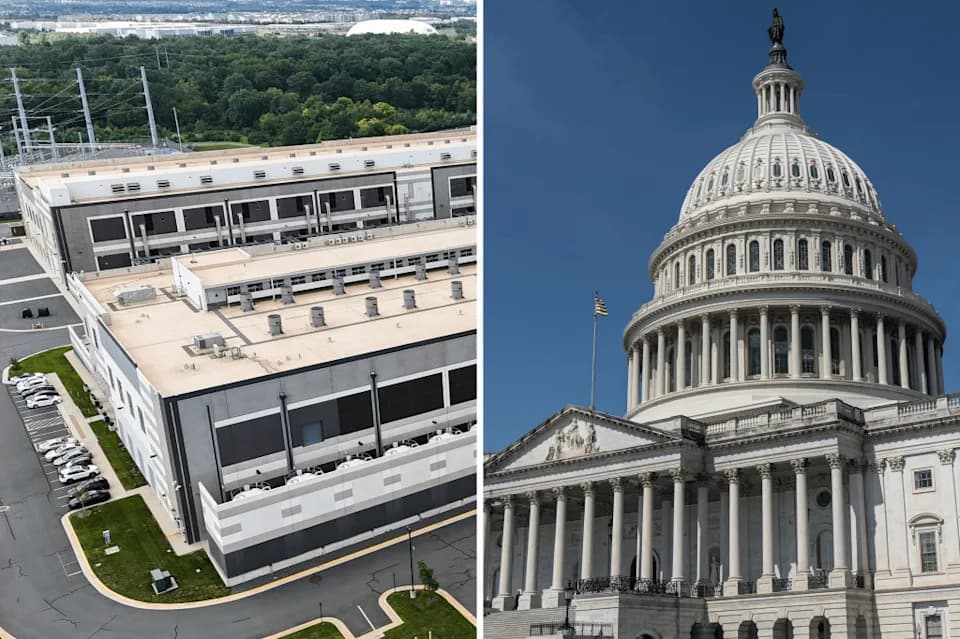
The county’s tracker lists three data centers already in operation, two under construction, two with zoning approval and two still awaiting final permits. The page is designed to show each project's status, from permit review through construction and operation, so residents can follow local developments in one place.
Rates, regulation and Dominion’s proposal
Chesterfield emphasizes that local officials do not set electricity rates; rates are regulated by the Virginia State Corporation Commission and the costs of generating and transmitting power are spread across the utility’s broader customer base. For context, Dominion Energy serves more than 2.7 million customers across Virginia.
Dominion has petitioned the State Corporation Commission to create a separate rate class for customers using more than 25 megawatts in a month — a threshold intended to capture some of the largest industrial users. The county quotes Dominion’s filing: "Dominion's plan also introduces financial safeguards to ensure that data center developers and other large industrial customers cover the cost of energy infrastructure upgrades that wouldn't otherwise be needed."
Local impacts and planning challenges
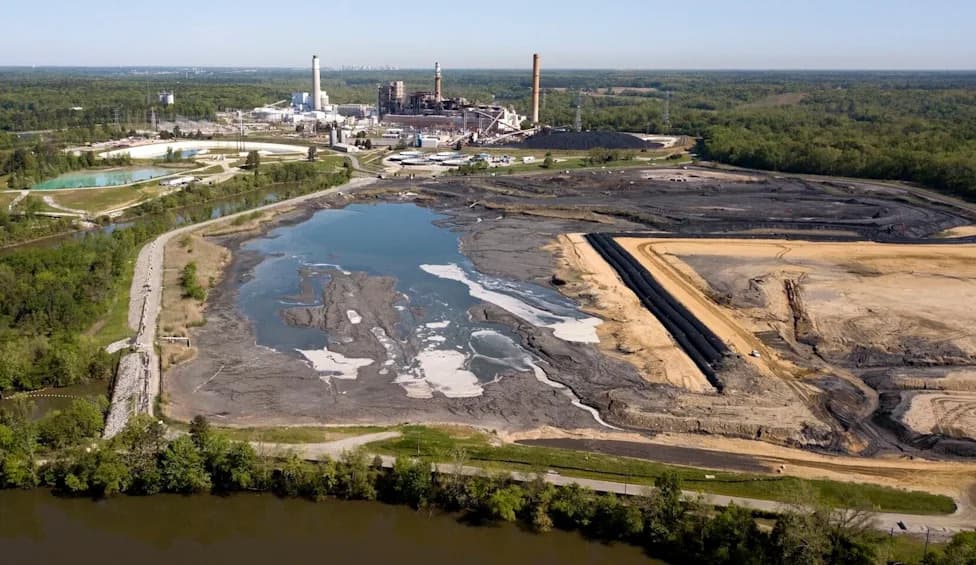
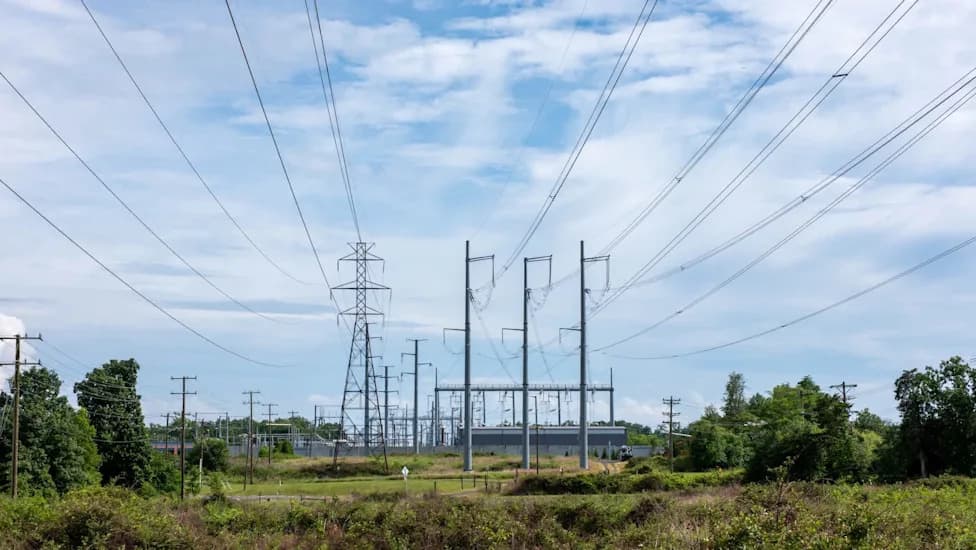
Data centers are central to the digital economy but place significant demands on the electric grid and other local resources. The county highlights concerns tied to AI-driven growth: large increases in electricity and water consumption, the need for substations and transmission upgrades, cybersecurity risks, and broader planning and social implications if development outpaces local capacity.
Local governments are weighing who pays when operators require new infrastructure such as substations or transmission lines — whether costs are borne by developers, utilities, or spread across the broader customer base.
Chesterfield also notes a state-level budget measure for fiscal year 2027 that includes a proposed surcharge of $0.011 per kilowatt-hour on electricity consumed at Virginia data centers.
The county’s tracker aims to increase transparency by documenting proposed facilities, their approval phase, and policy decisions that could influence local development patterns, grid reliability and long-term costs for residents and businesses.
Help us improve.