Independent soil tests near the closed Aeromarine landfill outside Keyport, N.J., found contaminant levels about 6.5 times the EPA trigger for human-health concern. Residents report more than 400 local cancer diagnoses and say dozens of people and pets on one block have been affected. The NJDEP last tested the site in 2010, found multiple toxic chemicals, and says it will retest the landfill but has not committed to sampling private properties—prompting calls for broader testing and accountability.
Independent Tests Reveal Carcinogens Near Keyport Landfill; Residents Say NJDEP Neglected Site for Decades
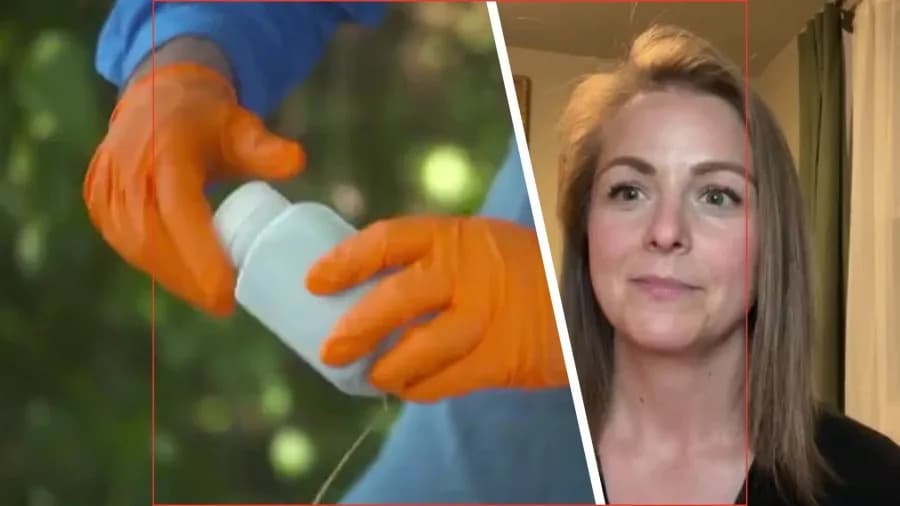
Independent testing has confirmed residents' fears that carcinogenic chemicals from a nearby, long-closed landfill have leached into soil around Keyport, New Jersey. Results shared with reporters show contaminant concentrations near the site measured at roughly 6.5 times the EPA's trigger level for human-health concern.
Keyport borders the shuttered Aeromarine landfill, which residents believe is linked to a local cluster of illnesses. Community members report that more than 400 people in the surrounding area have been diagnosed with cancer, and say dozens of people and pets on a single block have been affected.
What Past Testing Found—and What It Didn’t
The New Jersey Department of Environmental Protection (NJDEP) last inspected the property in 2010 and identified several hazardous contaminants, including benzene, arsenic, lead, vinyl chloride and PCBs. At the time, officials said they could not identify a clear exposure pathway connecting the landfill to residents and therefore did not proceed with large-scale remediation.
New Independent Sampling
In June, independent testing expert and EPA whistleblower Scott Smith collected soil samples from the landfill and from a nearby Keyport home. Smith’s results—shared with local media—found contaminant levels nearly 6.5 times the EPA trigger threshold established for human-health exposure.
"I showed up to the town hall that the NJDEP hosted," said Union Beach resident and community advocate Alex Craft. "I realized this has been going on for 40 years and nothing's been done about it."
Residents say state officials have repeatedly maintained there is no documented proof directly linking the landfill to the hundreds of cancer cases, a position that community members say ignores mounting local evidence.
Calls For Broader Testing And Accountability
Local advocates say the NJDEP only agreed to resume testing at the landfill after a potential buyer expressed interest in the property—a development residents found troubling and evidence that public-health priorities may have been secondary. The agency has indicated it will conduct additional sampling at the landfill site but currently has no plans to test nearby private properties.
"You can't prove what you're not looking for," Craft said. "We know these chemicals are linked to conditions like leukemia and lymphoma. They're only testing the Aeromarine site. They're not testing private properties to see whether contaminants have migrated into the surrounding area."
Many residents now rely on independent testers for information and pressure officials for a comprehensive response: a full assessment of exposure pathways, soil and groundwater sampling on private properties, health monitoring, and a transparent cleanup plan if contamination is confirmed.
While some families are considering options, others have decided to stay and continue pressing for answers. "We've lived here for three years. There is nothing more important to us than community and our neighbors, and we have no intention of leaving," Craft said.
Next Steps: NJDEP has announced it will resume sampling at the landfill. Community leaders and independent experts are urging the agency to expand testing to private properties, increase public communication, and coordinate with public-health officials to assess potential exposure and long-term risks.
Help us improve.