The Agapemonites were a Victorian religious sect led by Henry James Prince, who claimed to be the Holy Spirit and imposed strict control over followers. Members were pressured to surrender wealth—most notably the Nottidge sisters—and leaving the community was effectively forbidden; several adherents died by suicide. After Prince's death in 1899 John Hugh Smyth-Piggott briefly led the group and proclaimed himself Jesus in 1902, triggering riots. The movement faded after Piggott's death, and the Spaxton chapel later became a TV studio and today operates as an Airbnb.
Inside the Agapemonites: The Victorian Sect That Forbade Members From Leaving

The chapel still stands in Spaxton today and is rented to dozens of tourists each year [Stuart Flinders]
The Agapemonites were a small but notorious Victorian religious sect whose disturbing practices and strict control over members still draw attention today. Based at a chapel in Spaxton, near Bridgwater, the group required followers to surrender personal wealth, forbade them from leaving the community and—according to contemporary accounts—staged sexual rites that shattered lives.
Founding and Beliefs
Henry James Prince, originally a Church of England priest, became the movement's charismatic founder after being expelled from the Church. Prince came to claim he was the physical embodiment of the Holy Spirit and exercised absolute spiritual authority over his followers. Anecdotes from the period describe him treating ordinary questions as matters for divine consultation: for example, asking the Holy Spirit whether he should take an umbrella.
"What went on behind those walls became a subject not just of local curiosity, but of international interest," said Stuart Flinders, former BBC journalist and author of A Very British Cult.
Control, Money and Tragedy
Membership was tightly regulated and leaving was discouraged or effectively forbidden. Several members committed suicide, and coroner's inquests at the time highlighted the degree of control Prince exerted. One high-profile case involved the Nottidge sisters, each of whom inherited £6,000 (roughly £500,000 in today’s terms). Prince instructed that it was God’s will they marry followers of his; under 19th-century law the sisters' money then passed to their husbands and quickly into the sect's coffers.
Contested Rituals
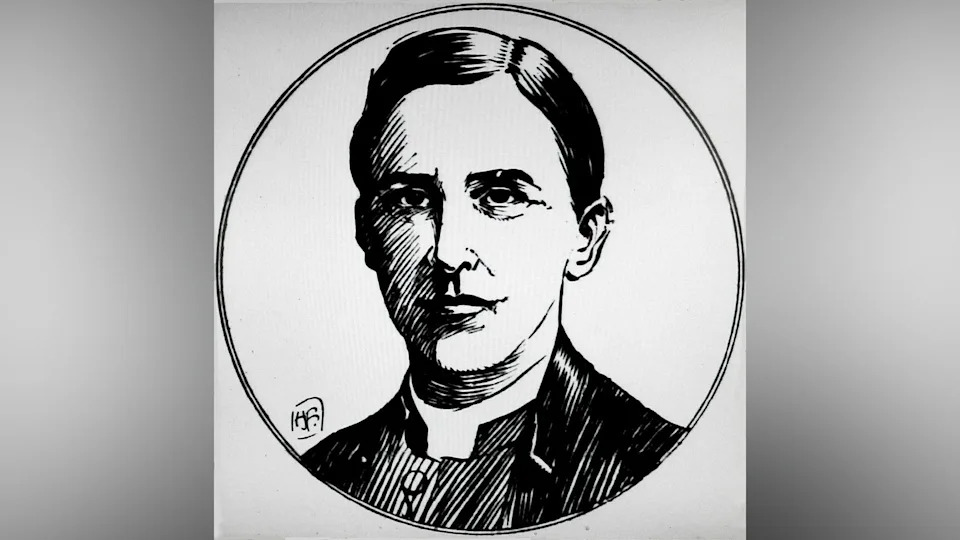
John Hugh Smyth-Piggott claimed he was Jesus during his sermons [Public domain]
Contemporary reports describe sexual ceremonies that Prince framed as the Holy Spirit taking flesh. Observers later compared elements of these rituals to modern fictional portrayals such as The Handmaid’s Tale, though historians note differences between dramatized depictions and the historical record. What is documented is that Prince conducted group ceremonies attended by followers, and that his justification for such acts rested on his claimed divine identity.
Later Leadership and Decline
Prince died in 1899. Leadership later passed to John Hugh Smyth-Piggott, who in 1902 publicly proclaimed himself to be Jesus Christ. That declaration provoked riots in London and forced him to retreat to Somerset. Smyth-Piggott died in 1927; rumors persisted that followers buried him standing upright to await a heavenly call. After his death the movement dwindled and the communal home increasingly resembled an old people’s residence.
Afterlife of the Chapel
The Agapemonite chapel in Spaxton changed hands in the 1960s and was converted into a television studio where children’s programmes such as Camberwick Green and Trumpton were filmed. In recent years the former chapel building has been repurposed as an Airbnb holiday let, continuing to draw curiosity for its complex past.
Legacy
Historians view the Agapemonites as an example of how charismatic leadership, religious claims to divine identity and social isolation can combine with legal and cultural norms of the period to produce harm. The story remains of interest to scholars of religion, local historians and anyone exploring the darker side of Victorian utopian movements.
Help us improve.