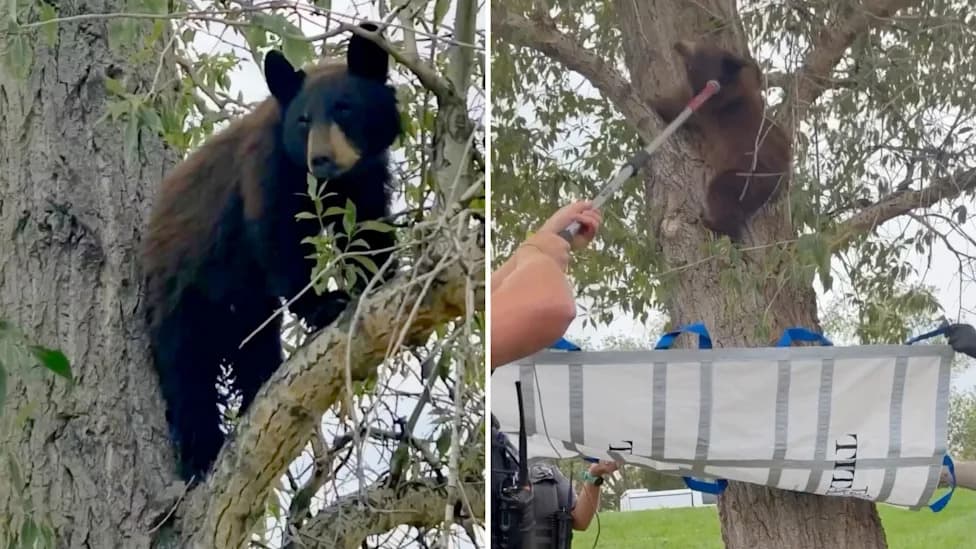
A review of Canadian park records from 2010–2023 found elk were involved in 62% of documented aggressive encounters with people in tourist areas, exceeding incidents caused by grizzlies and other species. Experts say elk can inflict serious injuries with stomps and kicks, and many incidents occur when people get too close. Parks recommend keeping about 30 meters from elk and use measures such as fencing, hazing and nonlethal chalk rounds to reduce conflicts.
Elk, Not Grizzlies, Linked to Most Dangerous Human Encounters in Canadian Park Tourist Areas
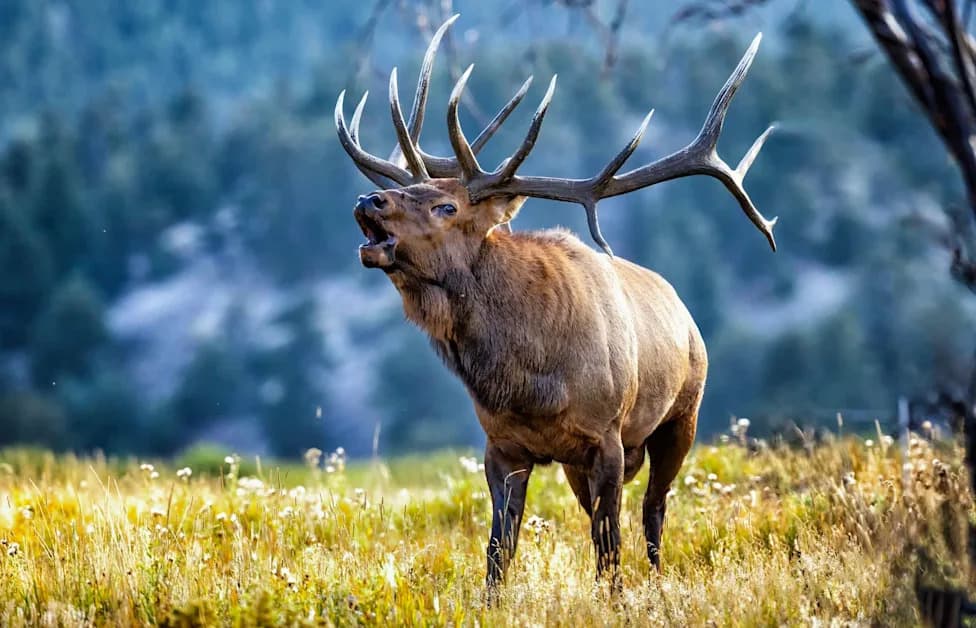
Photo Credit: iStock
A review of Canadian park incident records shows elk — not grizzly bears — were involved in the majority of aggressive encounters with people in tourist areas, challenging common assumptions about which large animal poses the greatest risk to visitors.
Study Details
Researchers analyzed Parks Canada records from 2010 to 2023 and found elk were involved in 62% of documented "aggressive encounters" with people, a higher share than grizzly bears, black bears, coyotes and mule deer. The research was published in Frontiers in Conservation Science.
Why Elk Cause Serious Injuries
David Gummer, a Parks Canada wildlife management specialist who helped compile the data, explained how elk anatomy and behavior contribute to the severity of incidents: "Elk are massive, and they've got those hard hooves. They can inflict serious damage with those stomps and kicks." Common injuries reported include broken bones, deep lacerations and concussions.
"It might be evidence of the animal expressing its frustration. The elk might be stomping its feet or racking its antlers on stuff nearby," Gummer said, noting that not all aggressive encounters involve direct contact.
Drivers Of Human–Elk Conflict
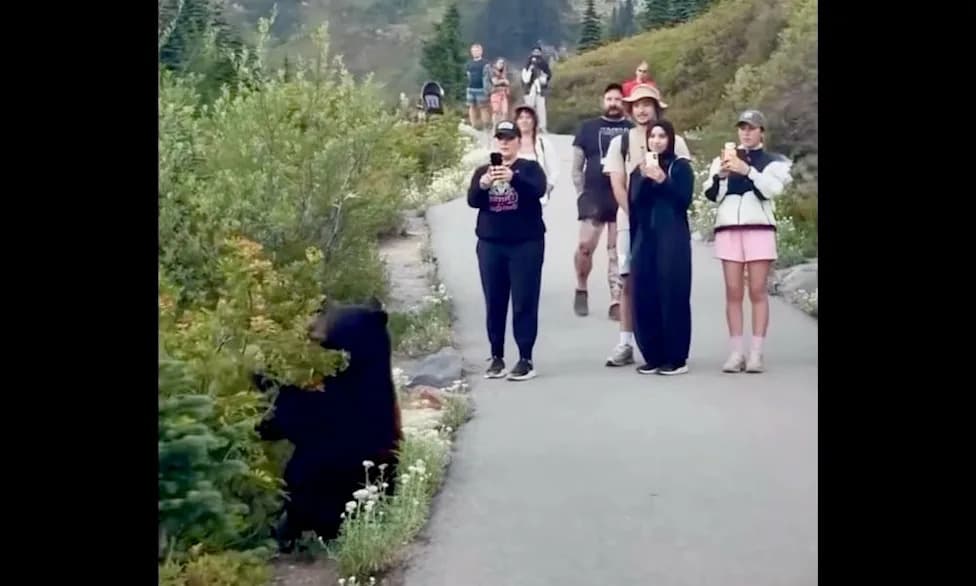
Most conflicts began when people got too close to elk. Developed park sites — townsites, maintained lawns, and even golf courses — provide open habitat and lush forage that attract elk. At the same time, large crowds and development can deter natural predators, making elk more comfortable near people.
Season also matters: in spring, cow elk are protective of their calves; in the fall, rutting bull elk can be especially unpredictable and aggressive. The article cites incidents in spring 2024 in Estes Park, Colorado, where two children were injured after cow elk perceived them as threats to calves.
Management And Safety Advice
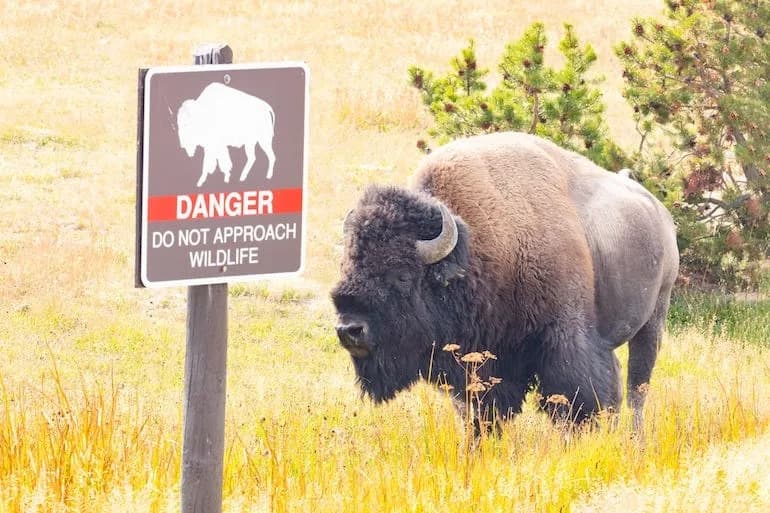
Parks Canada and other agencies emphasize preventing close interactions. Visitors are advised to keep about 30 meters (98 feet) from elk, deer and moose, and about 100 meters (328 feet) from wolves and bears — distances consistent with guidance in parks such as Yellowstone and Grand Teton.
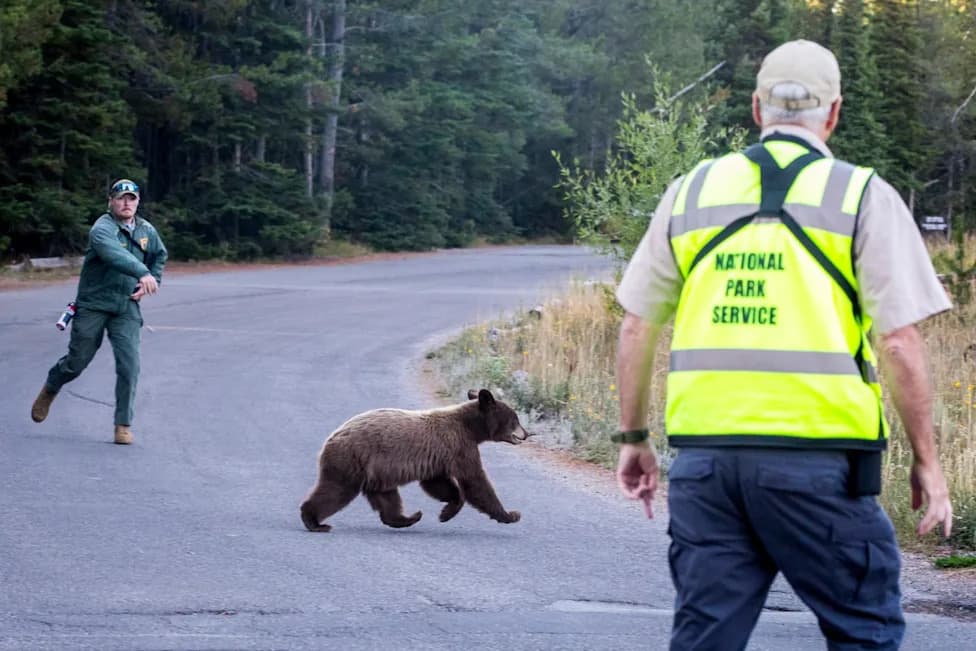
When education and signage are not enough, managers may install fences or haze elk from crowd areas. Hazing techniques include approaching animals in vehicles or on foot to make people appear larger, and using paintball-style guns loaded with chalk rounds to move elk without injury.
Practical tips for visitors: never position yourself between an elk and its calf; keep a wide berth, especially in spring and fall; if an elk begins stomping, posturing or thrashing objects with its antlers, treat that behavior as a warning and back away calmly.
Perspectives From Field Staff
Ron Dean, a retired Wyoming Game and Fish Department employee who ran an elk feeding program for 33 years, said elk outside major tourist hubs tend to be warier of people. "Especially those bull elk, during the rut, they were mean," he said.
This review underscores that wildlife risk often depends on species behavior and human patterns of use: in many tourist settings, elk presence and human proximity combine to create the highest share of aggressive encounters.
Help us improve.