The Bayreuth Festival's 150th anniversary became a moment of reckoning as director Katharina Wagner urged the event to reject racism, chauvinism and historical revisionism, citing her family's ties to the Nazi era. Chancellor Friedrich Merz urged audiences to engage with Richard Wagner's music "but not without suspicion" and cautioned against cancelling works outright. Wagner apologized for the temporary cancellation of a memorial for persecuted Jewish musicians; the event "Silenced Voices" is now scheduled for day two. Nike Wagner warned the festival is shifting from a family enterprise toward greater state control.
Bayreuth at 150: Katharina Wagner Rejects Racism and Warns Against Historical Revisionism
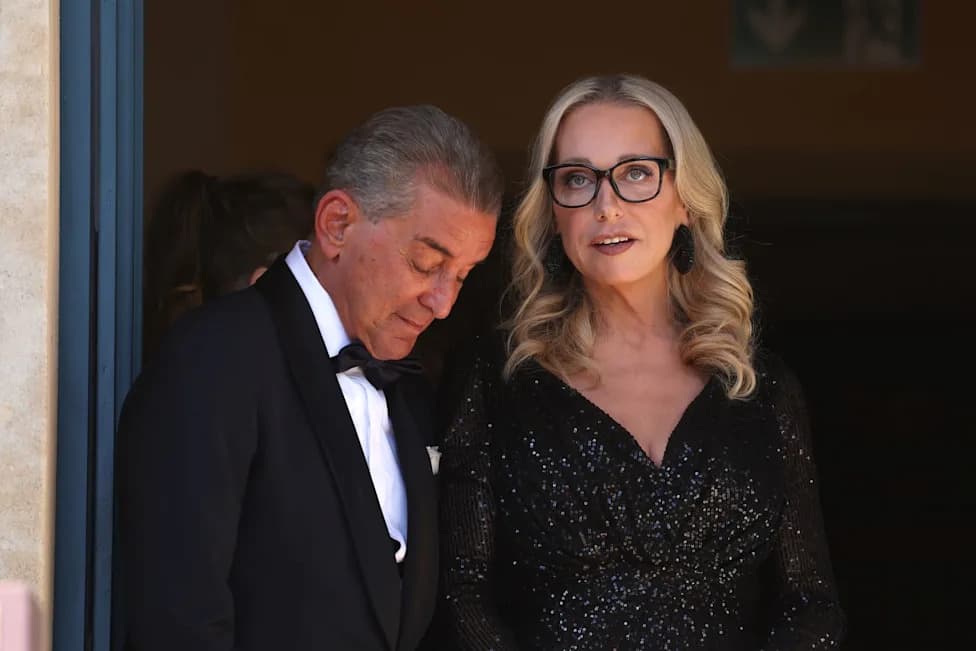
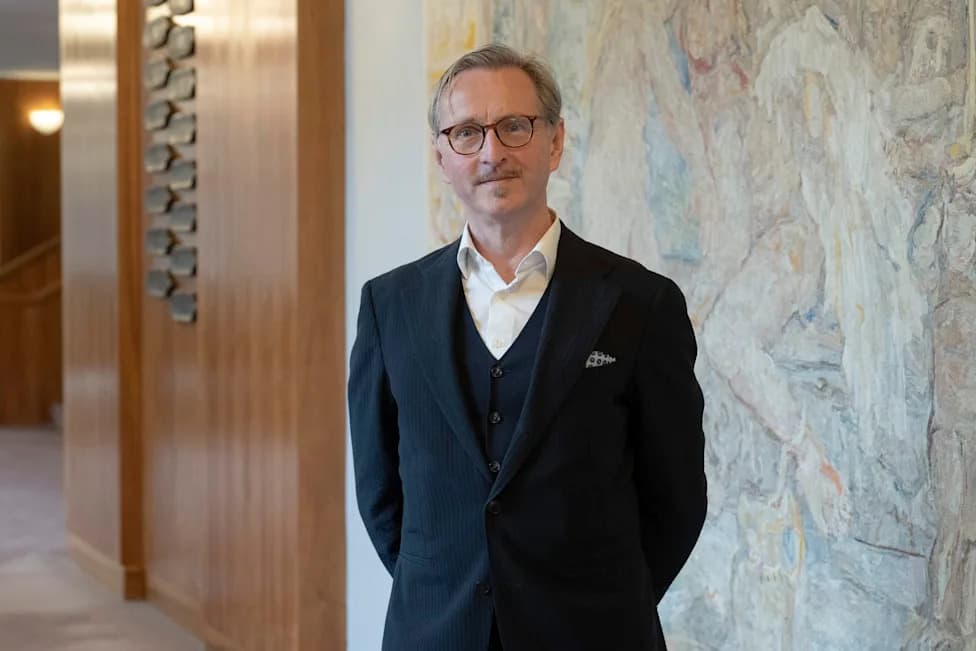
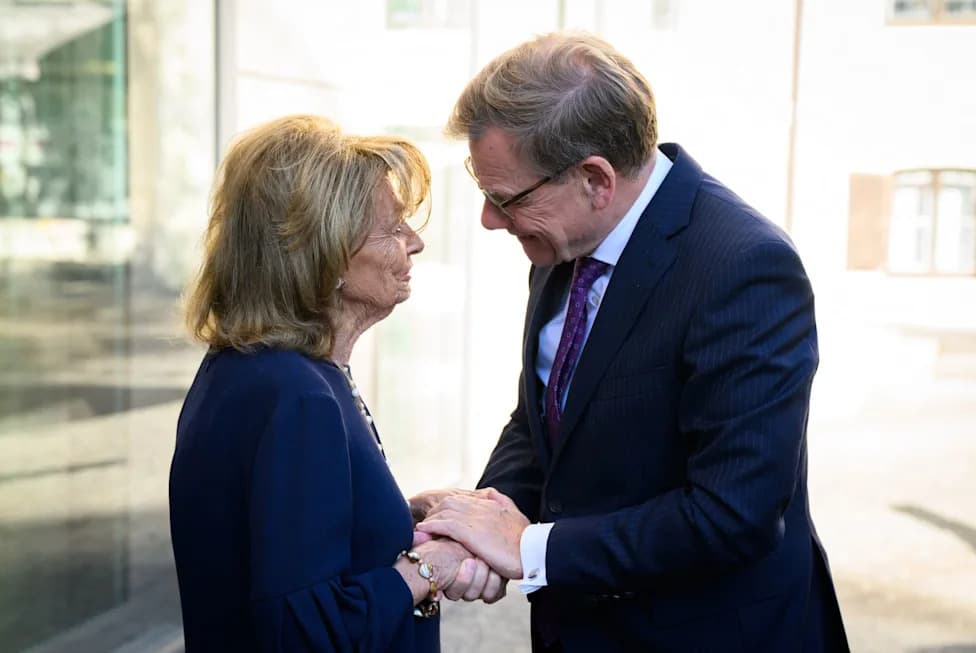
German Journalist Michel Friedman (L) and Katharina Wagner, artistic director and managing director of the Bayreuth Festival, arrive at the Festspielhaus for the opening of the Richard Wagner Festival. The Bayreuth Festival kicks off its 150th anniversary with Ludwig van Beethoven's Ninth Symphony. (is associated with: «Katharina Wagner: Bayreuth says 'No' to racism, historical revisionism») Karl-Josef Hildenbrand/dpa
The Bayreuth Festival marked its 150th anniversary with a solemn recommitment to confronting its past. Festival director Katharina Wagner used Saturday's ceremony to urge the event to say a resounding "No" to racism, chauvinism and attempts at historical revisionism — a stance she described as particularly vital given her family's "very personal connection" to the Nazi era.
Anniversary Remarks and a Call to Reckoning
"The Bayreuth Festival has never been detached from its time," Wagner, the great-granddaughter of composer and festival founder Richard Wagner, told the crowd. She said the milestone was "far more than an occasion to celebrate," arguing that the festival must "take tradition seriously without glorifying it ... so that the future does not once again end in the darkness of the past."
Political Voices and Critical Engagement
"Enjoy it, but not without suspicion," Chancellor Friedrich Merz quoted German writer Thomas Mann, urging audiences to engage critically with Richard Wagner's music and legacy.
Merz acknowledged the festival's darker chapters and the controversies surrounding the composer's anti-Semitic legacy. He warned that "cancelling is not a solution here either," praising Bayreuth's turn toward frank, critical engagement with its history as the appropriate — if belated — response.
Apology and Memorial Rescheduling
Wagner explicitly apologized again to Michel Friedman for the confusion around the temporary cancellation and his disinvitation from a memorial event for persecuted Jewish musicians. The festival described the disruption as "inconsistencies and mistakes in the run-up for which we must take responsibility." The memorial, titled "Silenced Voices," will go ahead on the second day of the festival, with Friedman scheduled to speak.
Debate Over Bayreuth's Future
Nike Wagner, a cousin of the director who previously vied for the post, used her keynote to warn that Bayreuth is shifting from a family-run enterprise toward a state institution. "A kind of landslide is taking place," she said, arguing that federal and state funders now exercise significant influence — appointing leadership and eroding the festival's family element — leaving only the artistic direction in family hands "for now."
The 150th anniversary served both as a celebration of a unique cultural institution and as a moment of reckoning, as Bayreuth publicly confronted the ethical and historical questions tied to its legacy and charted a path toward greater transparency and critical engagement.
Help us improve.