Residents of Pittsburg, California, packed a June 15 city council meeting—about 400 people—to oppose Avaio Digital’s plan to build the Perseus hyperscale data center on a former municipal golf course. Neighbors say the facility would sit too close to homes and that the project’s scope was not clearly disclosed. Avaio notes the project cleared environmental reviews and plans to use recycled wastewater, buy green energy credits, and fund local infrastructure without raising taxes; the initial phase would use about 99 MW, with potential expansion to 500 MW.
Hundreds of Pittsburg Residents Rally Against Avaio’s Proposed Perseus Data Center on Old Golf Course
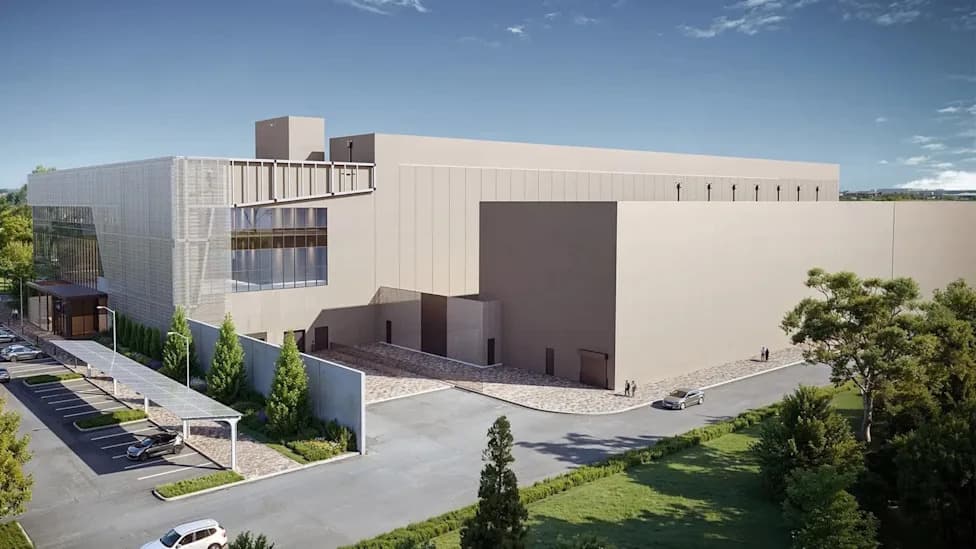
Photo Credit: Avaio Digital
Residents of Pittsburg, California, have turned out in force to oppose Avaio Digital’s plan to build the Perseus hyperscale data center on land that once housed the city’s municipal golf course. Neighbors say the facility would sit too close to homes and that key details of the project were not clearly communicated.
Community Turnout and Concerns
About 400 people attended a June 15 city council meeting to voice objections, reflecting a broader national debate over where energy-intensive tech infrastructure belongs. Opponents worry about noise, increased traffic, changes to neighborhood character, and the impact on local utilities and resources.
“When I looked at the pictures… I said this does not belong in a residential neighborhood,”
— Keesha Johnson, Pittsburg homeowner
“Horrible. Horrible. I, gosh, should we move? This is a neighborhood. There's so many homes around here. How can you just plop it right down there?”
— Carmen Magallan, neighbor across the street
Project Details and Company Response
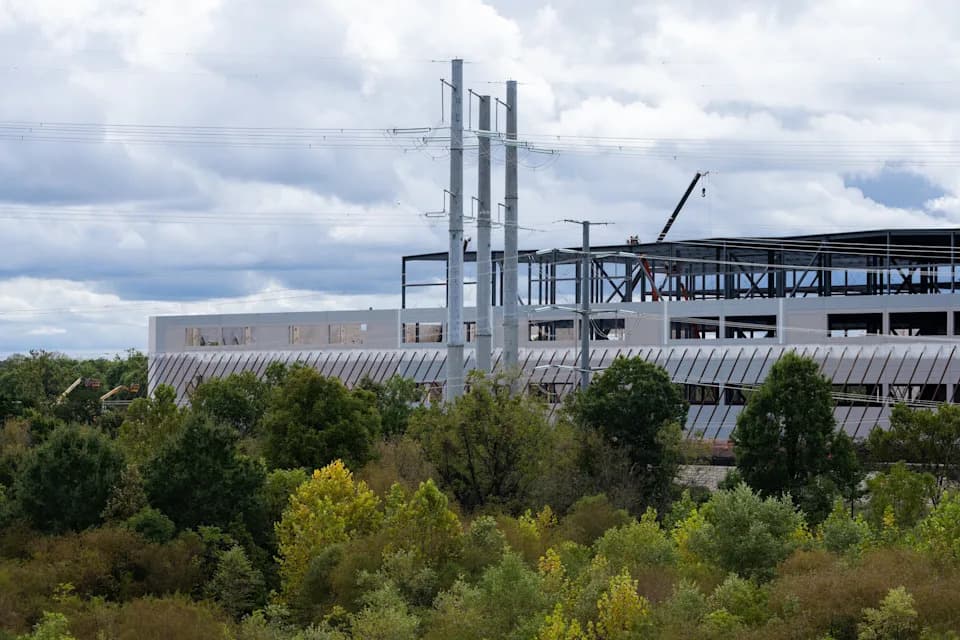
Avaio Digital’s initial phase of the Perseus data center was approved roughly two years ago. The first build is expected to draw about 99 megawatts of power, with potential future expansions that could raise demand to as much as 500 megawatts.
The company tells CBS News the proposal underwent an extensive environmental review and received approvals from the Pittsburg City Council and several state agencies. Avaio also says it will:
- Use recycled wastewater instead of drinking water,
- Purchase green energy credits to make its electricity use "100% zero carbon equivalent,"
- Install "ultra quiet equipment,"
- Redevelop a parcel it describes as vacant and a fire hazard, funding roads, parks, and public-safety projects without raising local taxes.
Why Data Centers Spark Local Debate
Data centers can bring tax revenue and upgraded digital infrastructure, but they also carry trade-offs: significant electricity and water consumption (especially for AI-focused facilities), potential noise from cooling systems, land-use changes, and added strain on local power grids. These factors can translate into higher infrastructure costs and, in some cases, increased utility bills for residents.
For many Pittsburg residents, the core grievance is process: they say the city’s plans didn’t make clear that a hyperscale data center could occupy the site, and they are now organizing to press officials for more transparency and potentially new restrictions.
“We’ve never had this kind of response. This is a very unified, very articulate, very passionate group of people,”
— Allen Tatomer, local organizer
The debate in Pittsburg mirrors broader conversations in U.S. communities about balancing economic development and technological investment with neighborhood quality of life and infrastructure capacity.
Help us improve.