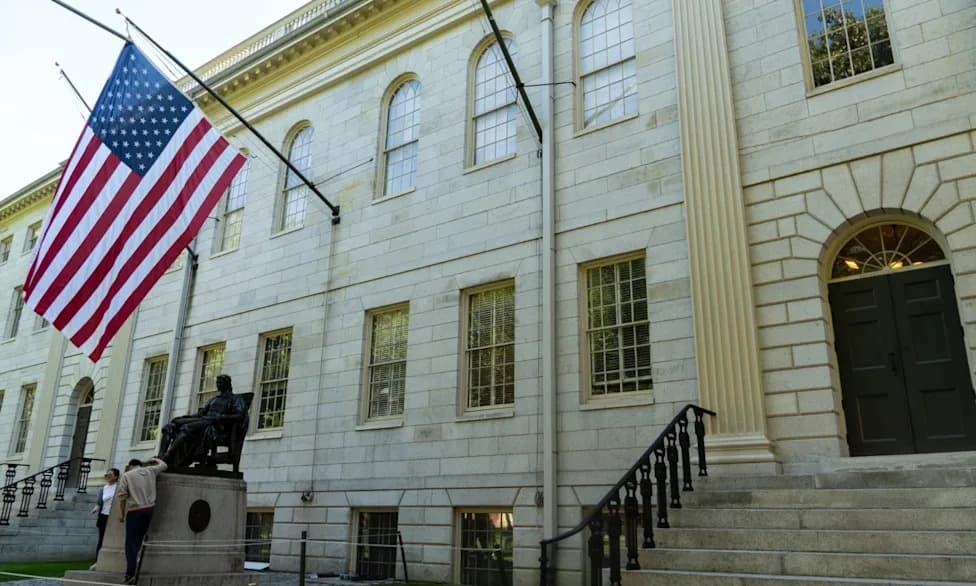
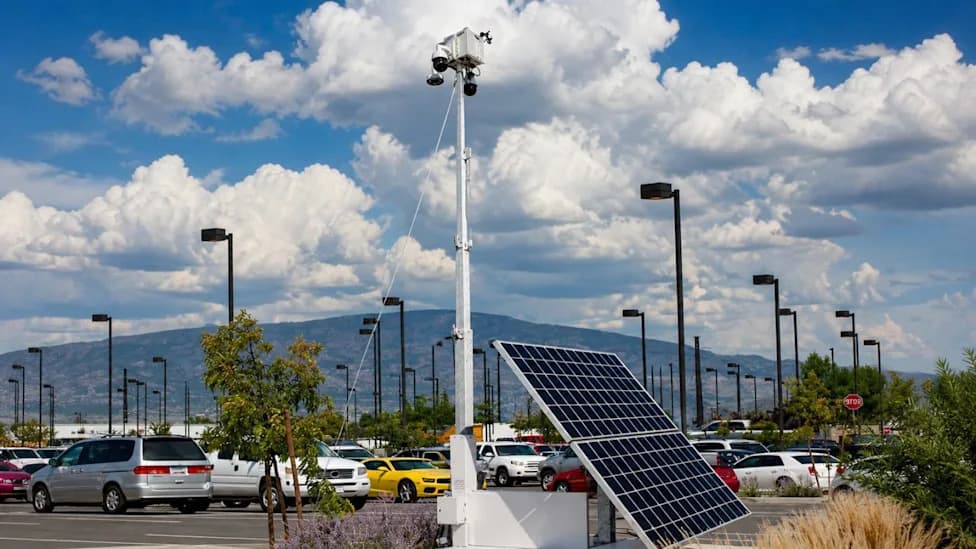
MIT plans to deploy more than 500 AI-integrated surveillance cameras across its campus, with initial reporting indicating a cost of over $3 million. The cameras are expected to capture real-time facial data and perform object classification; footage will be tied into MIT Police CCTV and monitored by vendor AI-RGUS. MIT says footage will be retained up to 30 days (with exceptions) and that audio recording will be disabled under state law. Critics cite faculty concerns about policing protests and question the timing after library closures and budget cuts.
MIT to Deploy Over 500 AI-Powered Surveillance Cameras Across Campus

We bad good via Shutterstock / Futurism
The Massachusetts Institute of Technology plans to install more than 500 AI-enabled surveillance cameras across its campus, according to a report from the student newspaper The Tech. The rollout, described in initial coverage as costing over $3 million, has renewed debate about privacy, campus policing and institutional priorities.
What the System Will Do
According to the report, the new cameras are expected to capture real-time facial data and perform automated object classification. In practice, the system would be able to identify, catalogue and track the movement of people and items such as backpacks, boxes, vehicles and bags. The installation will link into the MIT Police Department’s existing CCTV network, and recorded footage will reportedly be monitored by vendor AI-RGUS, which provides continuous surveillance-monitoring software.
Retention, Audio and Oversight
MIT spokesperson Kimberly Allen told The Tech that recorded data would be "retained up to 30 days," with exceptions in specific cases. Allen also said audio capture would be disabled, a measure she framed as compliance with state law rather than an institutional privacy principle. The report does not detail independent oversight, access controls, or how exceptions to retention limits will be handled.
Concerns From Faculty, Students and Critics
Critics have raised multiple concerns. Faculty members have warned that campus police have sometimes acted preemptively in response to speeches and protests, bypassing established disciplinary channels. Social media critics and some campus observers have also questioned the timing and priorities of the project: the rollout follows MIT administrators’ decision to close two campus libraries and reduce staffing at others amid a reported major budget shortfall.
Some online commentators cited a much larger figure—$300 million—for the broader surveillance effort; The Tech’s reporting cites an initial expenditure of more than $3 million. That discrepancy has added to public scrutiny and calls for transparency.
What Comes Next
As installation proceeds, the debate is likely to focus on transparency, independent oversight, data-security safeguards, and clear policies for retention and access. MIT officials and vendors should address these questions publicly to help build trust with students, staff and faculty.
Help us improve.