The silver cigarette case of Private Stan Drew — killed at the Falaise Gap on 21 July 1944 — was found by Dutch detectorist Filip Krapels on 2 April in a field near Bergeijk and returned to his daughter, Diane Owen, at the Royal Welsh Regimental Museum. The bullet-damaged case carried an engraving linking Stan to Penarth Central Boxing Club and helped researchers confirm his identity. The item is now on long-term loan to the museum and will be displayed with documents and photographs that illuminate Stan’s life and sacrifice.
WWII Soldier’s Bullet-Damaged Cigarette Case Reunited With Daughter Nearly Eight Decades Later
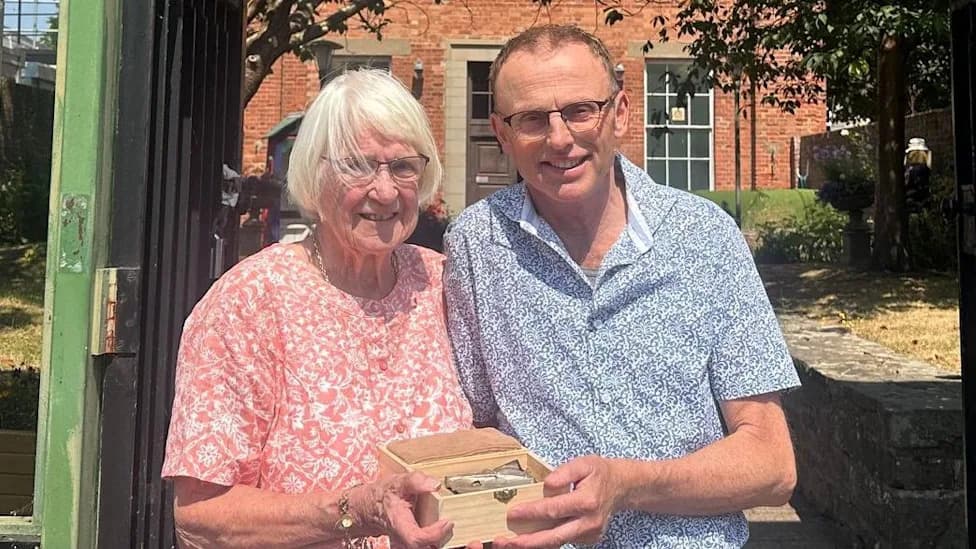
Stanley Drew's only daughter, Diane Owen, was reunited with her dad's cigarette case that was found by Dutch metal detector Filip Krapels [BBC Wales]
A silver cigarette case owned by Private Stan (Stanley) Drew, a British soldier killed in Normandy in July 1944, has been returned to the daughter he never met after being unearthed in a field near Bergeijk, close to the Belgian border.
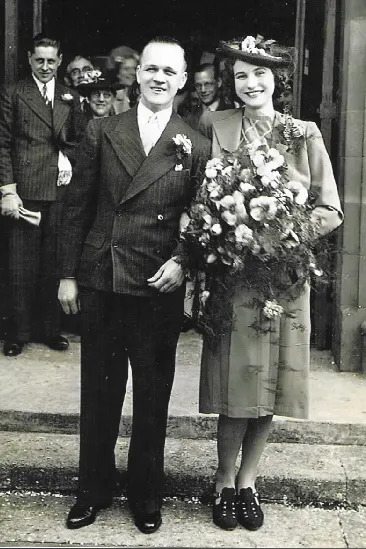
Stan married Beatrice [Betty] Halbert in 1939, but died in action before he could meet his daughter Diane [Drew family photograph]
Dutch metal detectorist Filip Krapels discovered the bullet-damaged case on 2 April. Although official records show Private Drew was killed during fierce fighting at the Falaise Gap on 21 July 1944 — roughly 370 miles from where the case was found — the personal relic has now come home and been placed on long-term loan to the Royal Welsh Regimental Museum in Brecon.
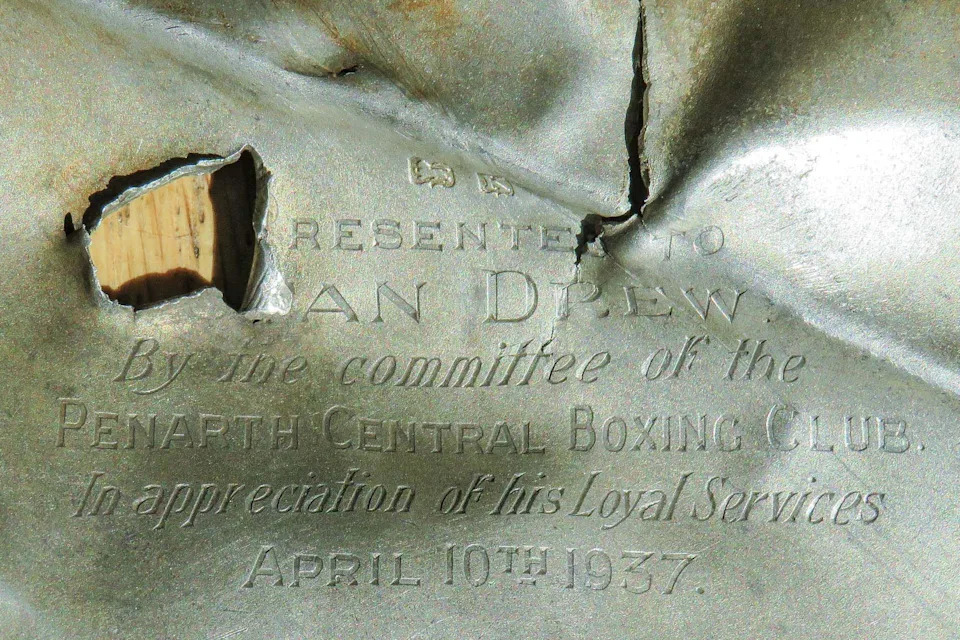
Stan's case bears a distinct bullet hole, though it's unclear whether this was the shot that killed him [Filip Krapels]
How the Find Led to a Family Reunion
The cigarette case bore an inscription linked to Penarth Central Boxing Club and was dated 10 April 1937. A bullet had damaged the initial of Stan’s name, which briefly complicated identification. Filip’s investigation combined the engraving, local boxing records and wartime archives to trace Stan’s identity and then locate living relatives.
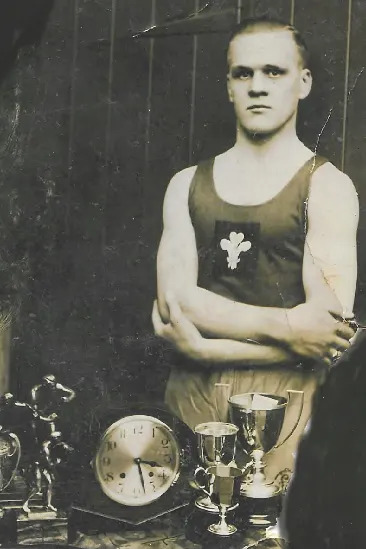
Between 1935 and 1937 Stan enjoyed a highly decorated amateur boxing career, including fighting as a lightweight for Wales [Drew family photograph]
After a BBC Wales item about the discovery, Stan’s great-niece Sally Docherty recognised the story and alerted other family members. That chain of events led to the emotional presentation at the museum where Stan’s daughter, Diane Owen, accepted the case.
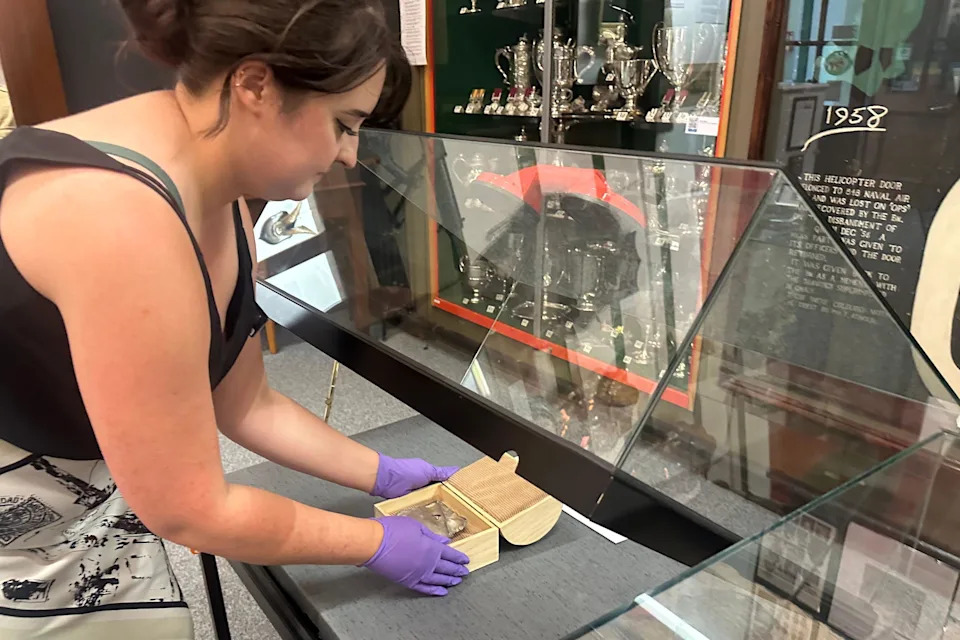
Royal Welsh Regiment Museum curator Amanda Rosewarne has put the case on display [BBC Wales]
“I’m shocked… really shocked. I knew he was a brave soldier, but knowing what an ordinary boy he was just makes his life, and Filip’s discovery, all the more real for me. I just wish I could have spoken to him. Thank you, Filip, for bringing a little piece of his memory home.” — Diane Owen
Personal History and Museum Display
Stan married Beatrice (Betty) Halbert in 1939. Diane was born on 1 August 1944, eleven days after Stan’s death; her mother did not learn of his fate until September 1944. Records show Stan enjoyed a decorated amateur boxing career from 1935 to 1937, including fighting as a lightweight for Wales — details that helped confirm the case’s owner.
Museum curator Amanda Rosewarne compiled army records and family photographs for Diane and arranged for the case to be exhibited in a padded glass case alongside interpretive material about Stan’s life and service. Amanda noted that Stan was one of 118 men reported missing on the day he fell, many of whom were never recovered, and that the case gives a powerful, personal perspective on the human cost of war.
“Stan’s life was unique, but the story his cigarette lid has uncovered speaks for so many thousands like him.” — Amanda Rosewarne, Royal Welsh Regimental Museum
It is believed a fellow soldier may have picked up the case after Stan’s death and carried it as Allied forces advanced. The case was likely lost later as fighting moved into Belgium and the Netherlands in September and October 1944.
At the ceremony, Col. Robert Dickinson of the Royal Welsh Regiment reflected on the broader significance of the find: “Stan’s story tells us in such vivid terms that our servicemen and women aren't heroes in the comic-book sense, but ordinary men and women who — when put to the test — give everything in their soul to defend their family and their country.”
Help us improve.