Dr. Vikash Gayah argues that limiting left turns at some intersections can save lives, reduce congestion and cut fuel use. Left turns account for about 61% of intersection crashes, while intersections make up roughly 40% of all crashes. Time-of-day left-turn restrictions can add only about one block to trips on average but reduce delays and fuel consumption by roughly 10–15% per trip. Cities such as San Francisco have piloted corridor-level restrictions to realize these safety and operational gains.
Ban Left Turns At Some Intersections To Save Lives, Cut Congestion And Reduce Fuel Use
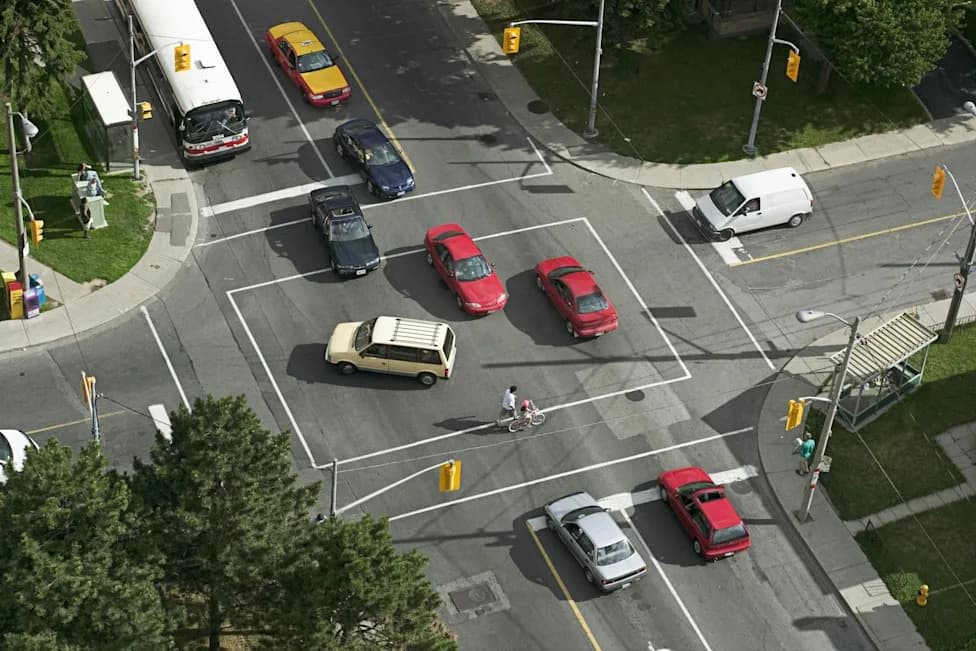
Research shows left turns at intersections are dangerous and slow traffic.Benjamin Rondel/The Image Bank via Getty Images
Restricting left turns at select intersections can improve safety, speed commutes and lower fuel consumption. Dr. Vikash Gayah, a Penn State civil engineering professor and interim director of the Larson Transportation Institute, explains why limiting left turns—especially during peak periods—can be a low-cost, high-impact strategy for cities.
Why Left Turns Are Risky
Left turns require crossing oncoming traffic, creating exposure to angle crashes—among the most severe collision types. Drivers focused on finding a gap in opposing traffic can miss pedestrians crossing the roadway they are turning onto, increasing the risk of serious injury or death. By contrast, right turns typically involve merging rather than crossing opposing lanes and are therefore much safer.
The Numbers
About 40% of all crashes occur at intersections; roughly half of those involve serious injury and about 20% involve a fatality. Studies show that approximately 61% of intersection crashes involve a left-turn maneuver, a striking share given that left turns are often one of the less frequent movements at intersections.
How Left Turns Slow Traffic
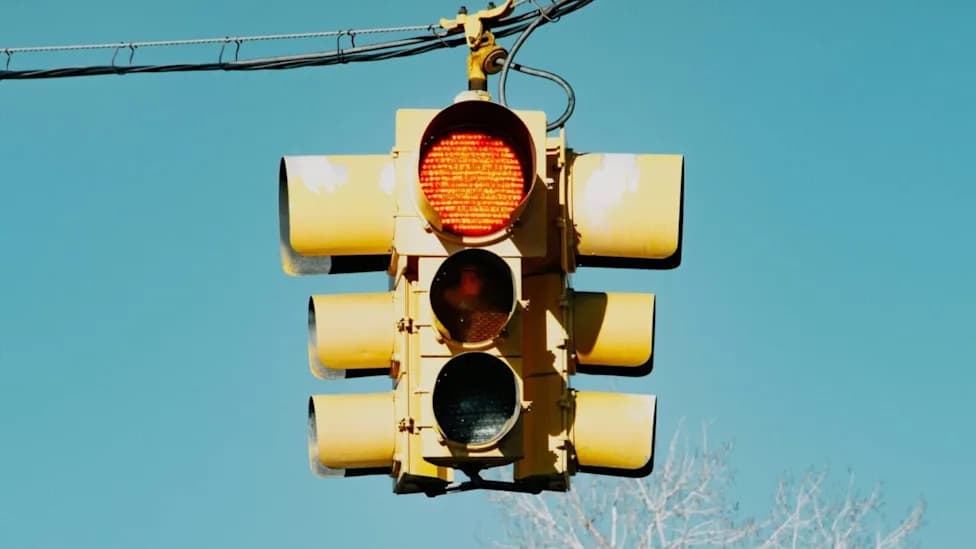
Vehicles waiting to turn left can block through lanes or force signal timing that stops other movements for a left-turn phase (a green arrow). Each signal phase change also includes a short all-red interval—commonly two to three seconds—when no direction moves. Those seconds add up across many cycles and reduce intersection throughput.
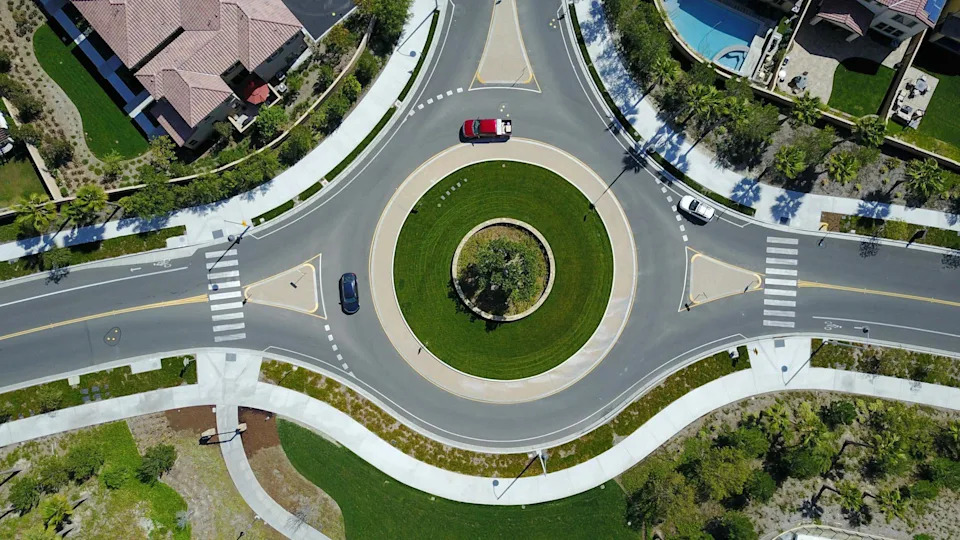
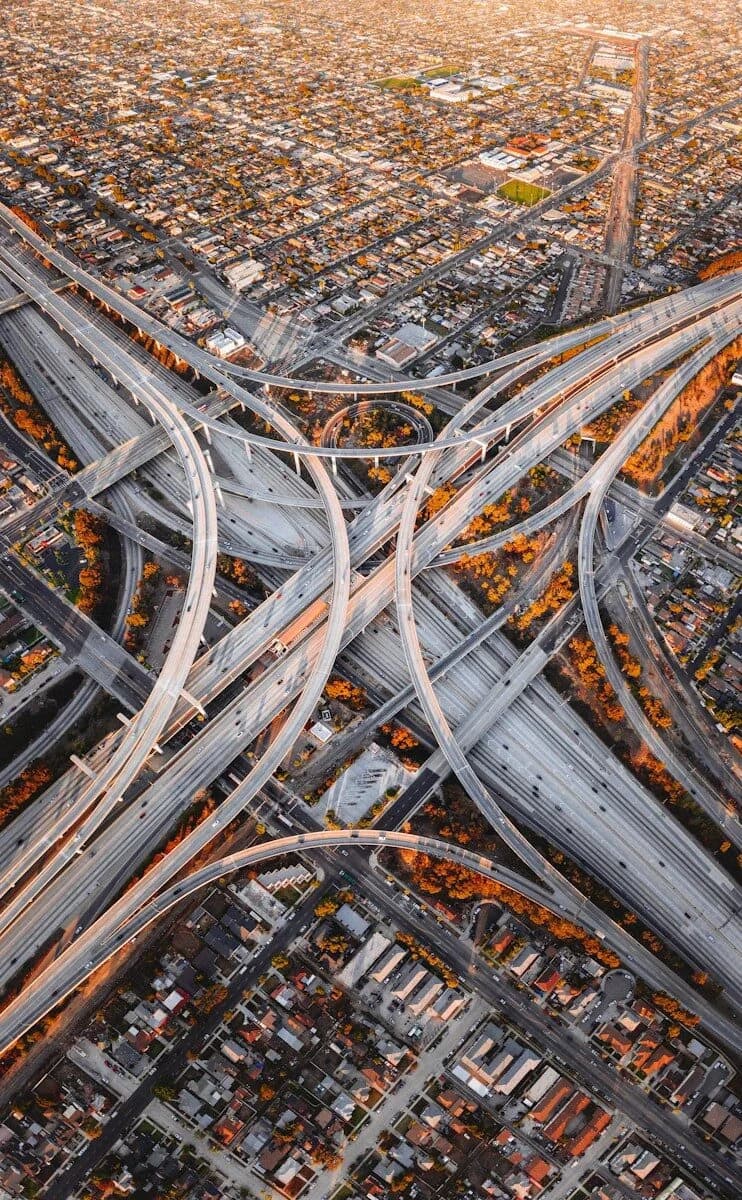
Roundabouts reduce the need for left turns, but they don't work everywhere.Pete Ark/Moment via Getty Images
Alternatives: Restrictions, Roundabouts And Trade-Offs
Many cities use time-of-day restrictions (for example, no left turns from 7–9 a.m. and 4–6 p.m.) on busy corridors or at specific intersections. San Francisco’s Van Ness Avenue is a notable example. Roundabouts reduce the need to cross opposing traffic and lower angle-crash risk, but they require more space, can struggle under very high volumes, and are not always feasible in dense downtowns. By contrast, left-turn restrictions are inexpensive to implement—often requiring only signage—and can be applied selectively.
Distance, Time And Fuel Trade-Offs
Restricting left turns typically increases travel distance modestly—on average about one additional block per trip in a typical downtown, though the worst-case detour could be circling a full block. However, intersections with fewer left-turn movements generally move vehicles more efficiently, reducing average waiting time. Research cited by Gayah indicates trips under left-turn restrictions can consume about 10–15% less fuel because vehicles stop and idle less. This operational benefit is one reason delivery fleets such as UPS route to avoid left turns.
Acceptance And Implementation
Banning or limiting left turns can feel unfamiliar initially, but evidence suggests that when drivers arrive at their destinations faster and with fewer stops, acceptance grows. Cities can start with corridor- or intersection-level pilot programs during peak periods and monitor safety, travel time and emissions impacts before expanding restrictions.
Note: This article summarizes insights from a discussion with Vikash V. Gayah and has been edited for clarity. The Conversation collaborated with SciLine to share highlights from the interview.
About the Author: Vikash V. Gayah, Penn State. His research has been funded by multiple state departments of transportation, the U.S. Department of Transportation, Federal Highway Administration, National Science Foundation and other agencies.
Help us improve.