This open letter urges the reappointed Business Secretary to prioritise economic recovery over party politics and act quickly on five priorities: pause harmful elements of the Employment Rights Act to protect jobs; secure cheaper industrial energy; repeal the zero-emissions vehicle mandate to safeguard auto jobs; cut unnecessary regulation to spur growth; and end tax uncertainty to unlock investment. The author warns that without decisive action the UK risks slipping into prolonged stagnation reminiscent of the 1970s.
Open Letter to the Business Secretary: Five Steps to Get Britain Working Again
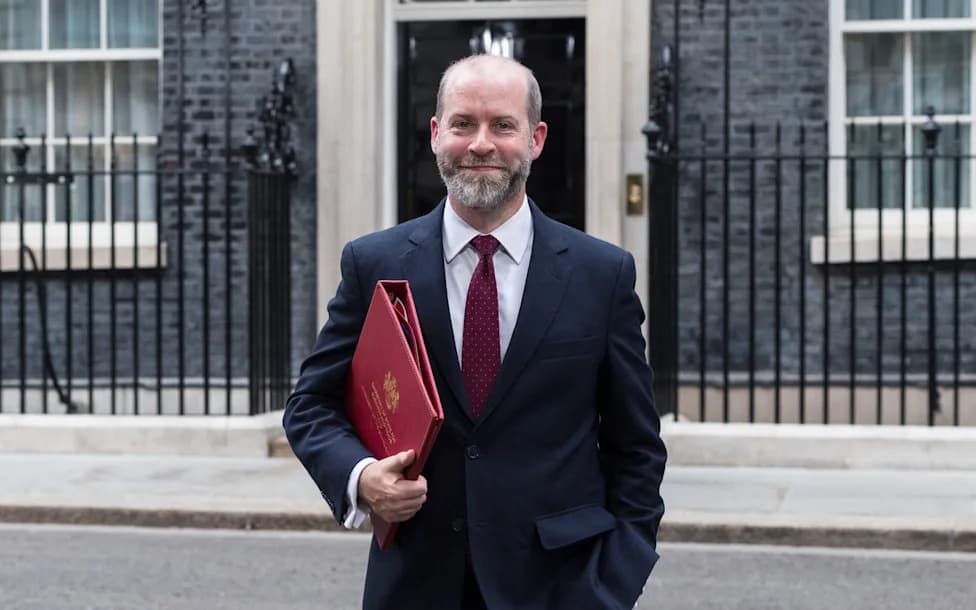
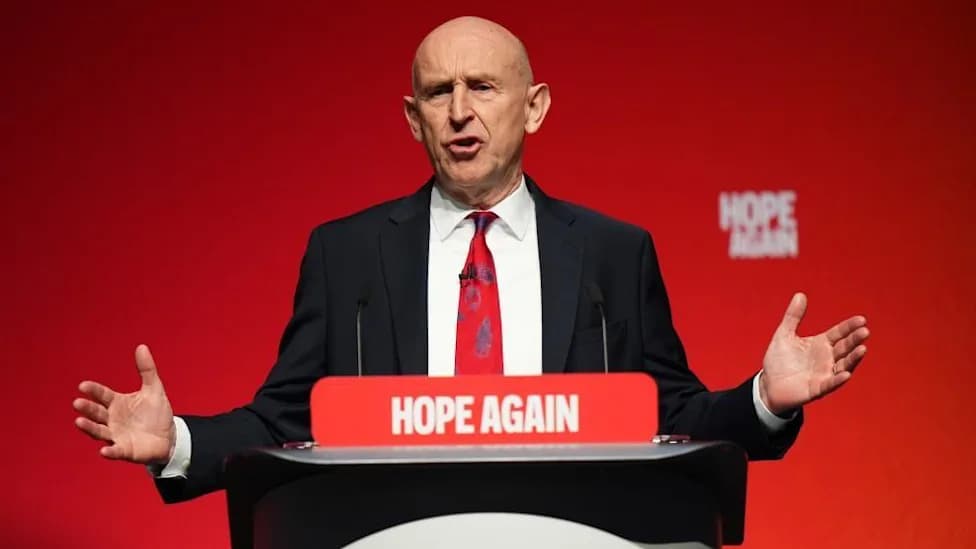
Jonathan Reynolds, the new Business Secretary, must 'get Britain working again' - Wiktor Szymanowicz/Future Publishing via Getty Images
Dear Jonathan (if I may),
Congratulations on your reappointment as Business Secretary. This country is rich in entrepreneurial talent and innovation, and there could scarcely be a more important role in government today.
A great deal has changed since you last held this post—much of it for the worse, and some of it traces back to decisions taken while you were in office. The consequences are visible: reported payrolled job losses, rising youth unemployment and sliding business confidence. I do not think you entered politics to preside over a return to the stagnation and decline of the 1970s. On domestic business policy, please put the country before party and act quickly on the following five priorities.
1. Get Britain Working Again
Pause the rollout of the most damaging elements of the Employment Rights Act. Many provisions have not yet come into force and can still be stopped if you move fast. The new online strike-balloting system—vulnerable to abuse—is not due until August. Extensions to the time limit for employment tribunal claims, which would swell an already large backlog of roughly 500,000 cases, are due in October. A proposed trade-union "right to roam" that could permit disruptive workplace access up to 52 times a year, a workplace-speech measure critics call the "banter ban," and rules that make it harder to dismiss underperforming staff (due in January) will further discourage hiring—particularly of young people. Extended employment rights are of limited value if people cannot get jobs in the first place.
2. Secure Cheaper Energy For Industry
British industrial energy costs are multiples of those paid by our competitors. Use your influence to press Miatta Fahnbulleh, the Energy Secretary, for durable, economy-wide solutions rather than narrow, tactical subsidies. Practical measures to consider include expanding domestic energy production, repealing the energy-profits levy and reviewing carbon taxes to relieve cost pressure—while ensuring long-term investment in secure supply.
3. Reconsider The Zero-Emissions Vehicle Mandate
The EU-style mandate forces carmakers into expensive compliance mechanisms and fines if they produce the petrol and diesel vehicles consumers still buy. UK car production is at a 73-year low, yet manufacturers spend billions on credits to meet mandate targets. The automotive sector employs more than 200,000 people; protecting those jobs and the supply chain merits urgent, pragmatic intervention.
4. Cut Red Tape Rapidly
You inherit a "regulating for growth" bill that promises reform in name. In practice, it remains too hard, too slow and too costly to build and scale businesses in Britain. The Conservative Party has identified more than a dozen regulations ripe for repeal; work with colleagues across the aisle where possible to identify further burdens that inhibit construction, innovation and enterprise. Where vested interests resist, seek broad political support—our competitors do not hobble themselves with over-mighty regulators.
5. End The Summer Of Tax Uncertainty
Businesses tell you that ongoing fiscal suspense is freezing investment, expansion and hiring decisions. With the tax burden already high, the Chancellor could restore confidence with a clear, unequivocal ruling out of near-term tax increases to unlock private-sector activity.
Final note. The task before you is immense. I do not deny past failings by Conservative or coalition governments—longstanding public-finance weaknesses and defence underinvestment predate the current administration. But two years of policies from the other side of the House have, in my view, left the business environment markedly worse. If you do not want your record to look like a return to the 1970s, act decisively and quickly.
Yours sincerely,
Andrew
Andrew Griffith is Shadow Business Secretary and MP for Arundel & South Downs.
Help us improve.