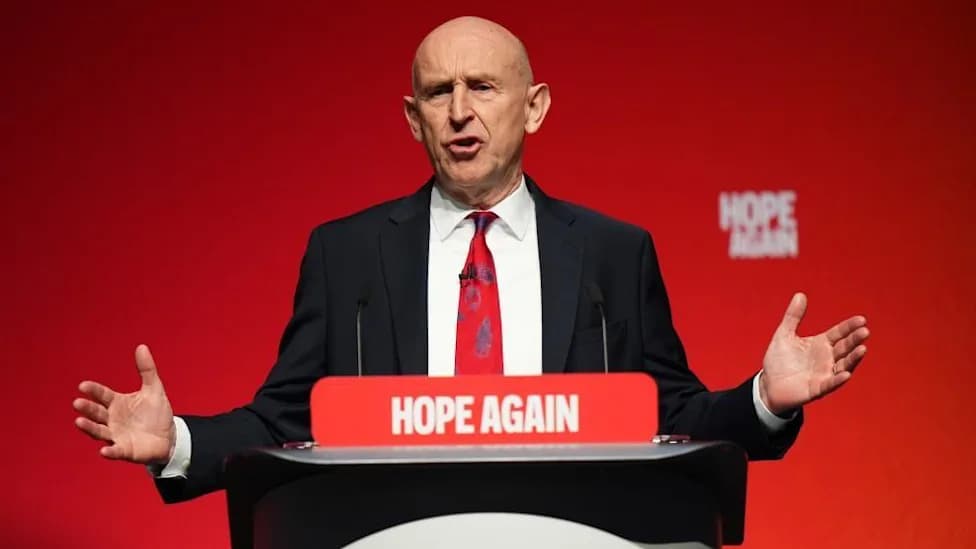
Andy Burnham and Chancellor John Healey have pledged a "new era of industrialisation" for the UK, promising targeted state support and a 10-year plan to revive manufacturing. Critics warn speeches alone cannot undo decades of decline driven by high energy costs, cheap imports and structural shifts toward services. While pharma, defence and aerospace remain competitive, sectors such as steel, chemicals and carmaking face large job losses and closures. Experts say revival requires sustained investment, lower business costs, clearer targeted policies and strengthened industry–university partnerships rather than nostalgic slogans.
Why Andy Burnham’s Plan To Rebuild UK Industry Faces Long Odds
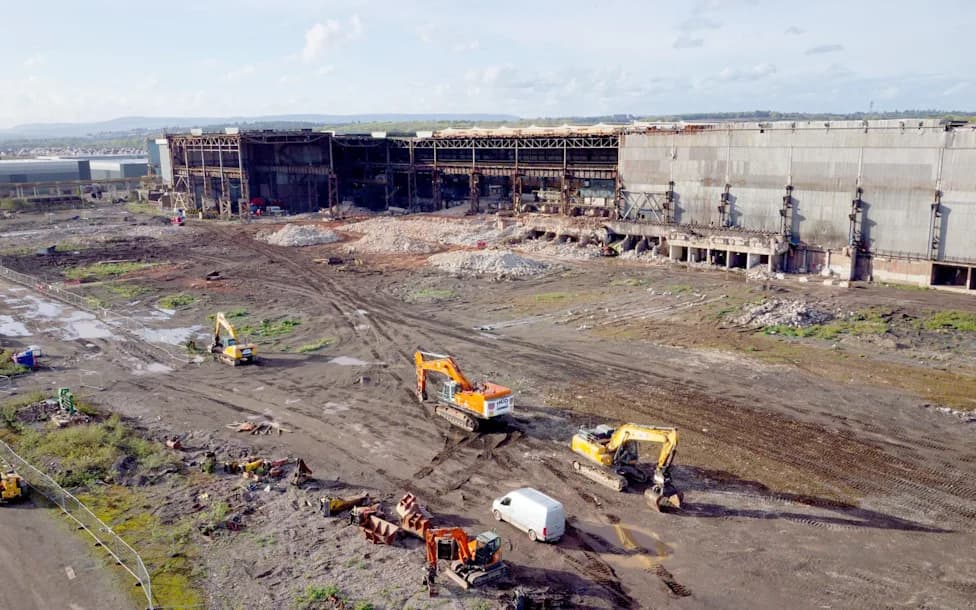
Tata is ripping its Llanwern steelworks site apart in another sign of deindustrialisation - Dimitris Legakis
A giant crane methodically chews through derelict halls at the Llanwern steelworks on the outskirts of Newport. Once a key element of a global industrial cluster, the site now produces much less steel and workers watch buildings being dismantled.

Andy Burnham and John Healey vowed to reindustrialise Britain at the Labour Party conference - Rasid Necati Aslim/Anadolu via Getty Images
"We're literally watching as the place we work is destroyed in front of us," says a long-serving employee. Owned by Tata, Llanwern still makes galvanised steel but is running at roughly half capacity amid soaring energy bills and an influx of cheaper imports. Nearby at Port Talbot, Tata has cut around 2,000 jobs as it plans to close historic blast furnaces — stark examples of the pressures facing Britain’s heavy industry.
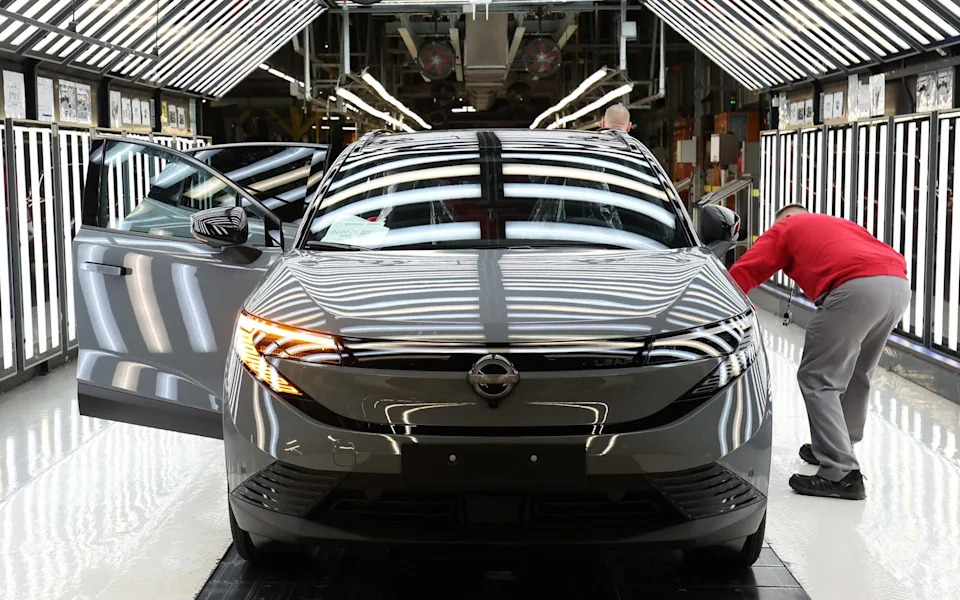
Nissan's Sunderland plant is running at just half-capacity amid a manufacturing downturn - Scott Heppell / AFP via Getty Images
Rhetoric Versus Reality
At Labour's conference, Andy Burnham and Chancellor John Healey promised a "new era of industrialisation," including a 10-year plan and a pledge for the state to play a more active role in supporting manufacturing. The announcements — and a headline £6bn pledge for domestic shipbuilding — won applause, but industry leaders warn that speeches alone cannot reverse long-term decline.
"Reindustrialisation won't be delivered through speeches, strategies or slogans from Whitehall," says Stephen Phipson, chief executive of Make UK. "It will be delivered by thousands of individual businesses making decisions to recruit, invest and expand."
Structural Challenges
Britain's manufacturing base has shrunk dramatically since the post-war period. Manufacturing employment has fallen from around 30% of jobs in the 1970s to roughly 7.8% today; manufacturing accounted for about 8.3% of UK gross value added last year compared with roughly 81% from services. That structural shift leaves many commentators sceptical that a state-led revival can easily restore former levels of output or employment.

Harold Wilson's pledge to reforge British industry in the 'white heat' of technology ultimately failed - Rolls Press/Popperfoto via Getty Images/Getty Images
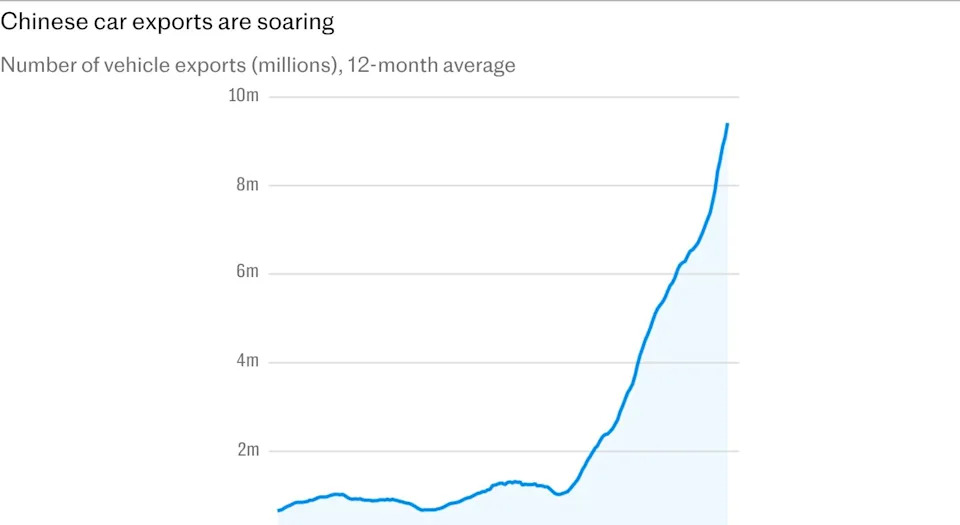
Compounding the problem are high energy costs, skills shortages and fierce competition from low-cost producers — above all China. Executives at Nissan have said the Sunderland plant runs at about 50% capacity in part because it "pays more for electricity than any other Nissan plant in the world." Stellantis closed the Vauxhall plant in Luton and Jaguar Land Rover has announced roughly 4,000 job cuts over the next two years.
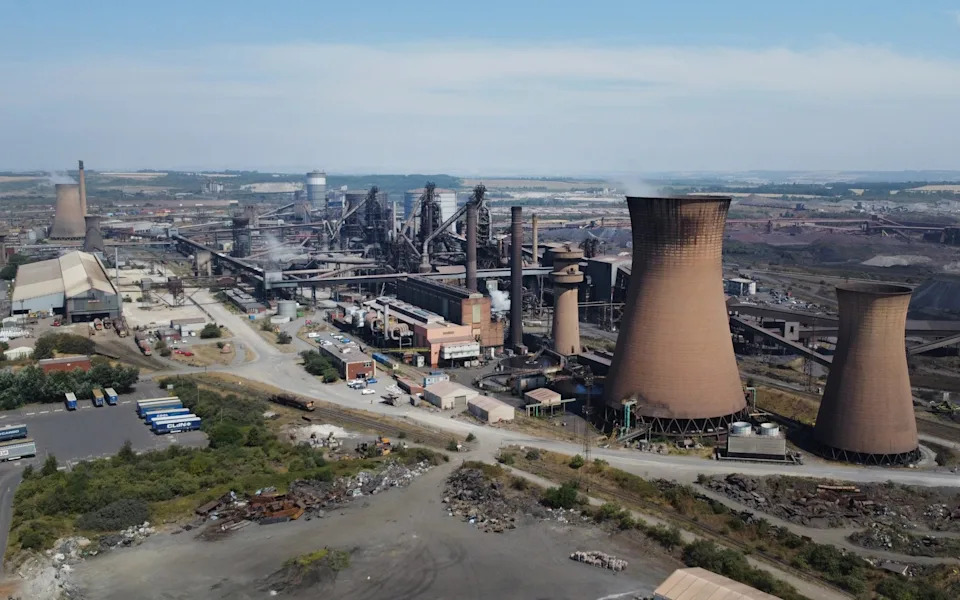
Nationalising British Steel and its Scunthorpe plant is proving an expensive endeavour - Annabel Lee-Ellis/PA Wire
Sectoral Winners and Losers
Some areas remain competitive: pharmaceuticals, life sciences, defence and aerospace are relatively resilient because they are R&D-intensive or benefit from strategic demand. But heavy industries such as steel, chemicals and parts of automotive face existential threats. The chemical sector has reportedly lost about 60% of its output and seen 25 factory closures since 2021. Ineos’s Sir Jim Ratcliffe has warned of plants being mothballed because gas prices in the UK are many times those in the US and China.

Sir Tony Blair and Gordon Brown's voices still sound loudly in the debate over Britain's future - Kirsty O'Connor - WPA Pool/Getty Images)
Energy costs are a central constraint: recent international comparisons show UK wholesale electricity prices have been substantially higher than in many peers — a critical handicap for energy‑intensive "future-facing" industries such as electric-arc steelmaking, battery and semiconductor production.
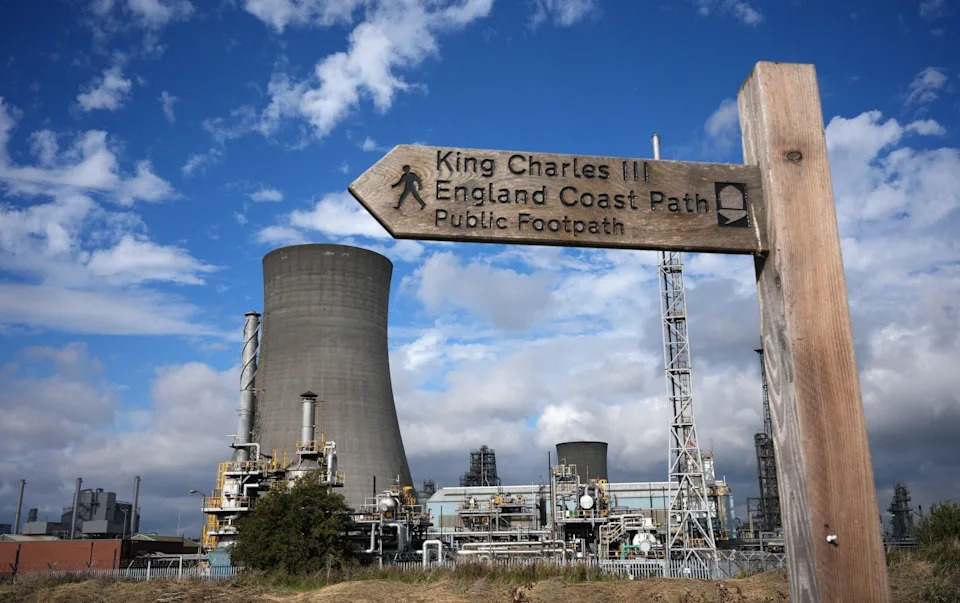
Sir Jim Ratcliffe has blamed Labour for the temporary closure of Ineos's Saltend plants - Christopher Furlong/Getty Images
Policy Options And Practical Limits
The government has pledged about £2.5bn for the steel sector and support for shipbuilding; ministers point to regional clusters such as South Yorkshire's Advanced Manufacturing Research Centre (AMRC) as models for cooperation between universities, firms and local government. Those clusters illustrate how targeted public support, research partnerships and skills programmes can catalyse high-value manufacturing jobs and apprenticeships.

Andy Burnham is now facing pressure to deliver on his message of hope - Andrew Aitchison / In pictures via Getty Images
Yet experts caution that successful reindustrialisation requires more than ad hoc funding or nationalisation. Economists stress the need to fix basic investment conditions — lower energy and capital costs, simpler planning and stable regulation — and to target strategic areas where the UK has comparative advantage. Unions press for broader state intervention, but nationalisation risks large upfront costs and ongoing subsidy if underlying competitiveness problems persist.
What Comes Next?
Delivering results will be expensive and politically risky. Chancellor Healey faces a constrained fiscal outlook and a difficult autumn Budget; critics say the government must show specifics beyond slogans. For communities that have already seen years of decline, the stakes are immediate: without clear, timely action, more plants may close and jobs will be lost.
Back at Llanwern, the mood remains anxious. "You don't want to sound too blue about everything," the veteran worker says, "but it feels like we've got some tough times ahead before anything starts improving." The question for ministers is whether promises of a new industrial age can be translated into durable competitive improvements — and whether they can be achieved within the political and fiscal limits they face.
Help us improve.