Federal appeals courts in New York and California recently upheld limits on gas appliances in new construction, reinforcing local and state electrification efforts and raising the prospect of Supreme Court review. New York’s cases involved both New York City’s Local Law 154 and a statewide mandate to draft gas bans; the Ninth Circuit upheld SCAQMD’s 2024 zero-pollution standards covering water heaters and boilers. The rulings could hasten the shift to all-electric new buildings and leave builders navigating a patchwork of regulations until the high court settles the matter.
Appeals Courts Uphold New-Build Gas Appliance Limits in New York and California — Supreme Court Could Weigh In
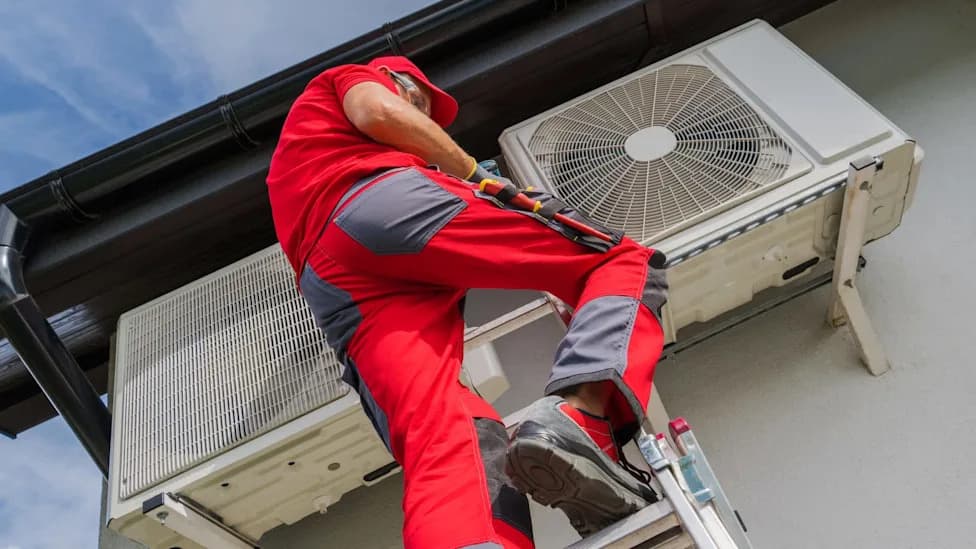
Photo Credit: iStock
Two recent federal appeals court decisions have left intact limits on gas-powered appliances in newly built homes in New York and California, reinforcing local and state electrification policies and increasing the likelihood the dispute will reach the U.S. Supreme Court.
What the Courts Decided
New York: Challenges to both New York City’s Local Law 154 and a related state mandate were rejected at the appellate level. Local Law 154 restricts the use of carbon-emitting fuels in many new buildings for functions such as heating, hot water, cooking and clothes drying. A separate state law requires regulators to draft rules that would prohibit gas appliances in future construction.
California: The Ninth U.S. Circuit Court of Appeals upheld 2024 "zero-pollution" standards issued by the South Coast Air Quality Management District (SCAQMD). Those standards cover large water heaters, small boilers and certain industrial process heaters. Trade groups, including the National Association of Home Builders, argued the standards conflicted with federal law, but the appeals court rejected those claims.
Impacts for Builders, Homeowners and Policy
The rulings strengthen the legal footing for jurisdictions pursuing electrification and could accelerate the adoption of all-electric construction practices in states and localities such as New York, California, Connecticut and Vermont. Until the U.S. Supreme Court resolves the broader legal questions, builders operating across state lines may face a patchwork of differing rules, complicating compliance and influencing which appliances are specified for new projects.
For homeowners, the transition affects long-term operating costs. Heat pump water heaters, which transfer heat rather than generate it, are more efficient than conventional gas units or electric-resistance models and can lower utility bills. Manufacturers are also rolling out smarter electric options—for example, customizable heat pump water heaters that learn household routines and heat water when needed, a feature companies say can save some households hundreds of dollars per year.
What Comes Next
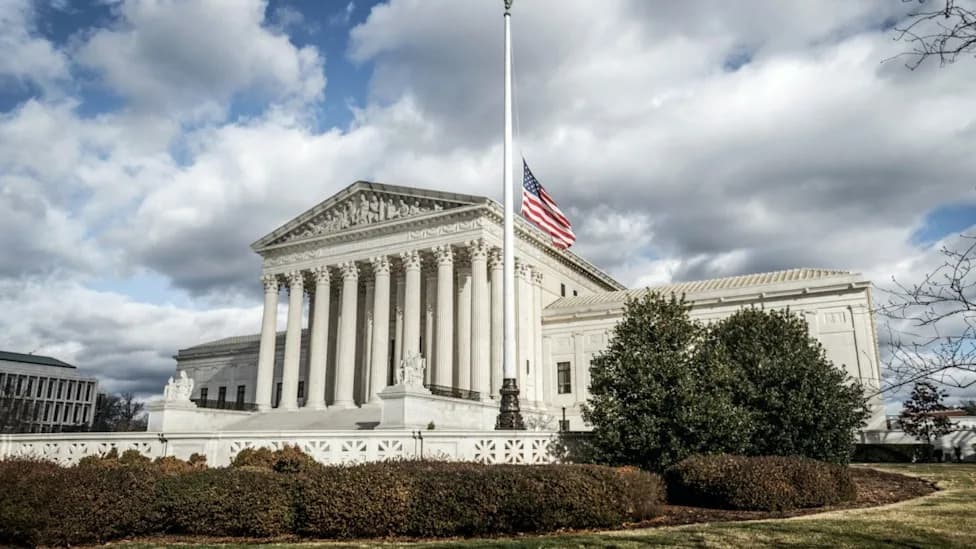
The appellate rulings add to a national legal dispute that may ultimately be resolved by the Supreme Court. If the high court takes the case, its decision could set a uniform standard for how federal law interacts with state and local electrification policies. Until then, the regulatory landscape for new construction will likely remain fragmented.
Bottom line: The appeals courts’ decisions uphold limits on gas appliances in new buildings and increase the odds of Supreme Court review, while accelerating interest in efficient electric alternatives like heat pumps and induction cooking.
Help us improve.