The Labour Behind The Label report finds that audit-driven compliance routinely fails garment workers in Pakistan, based on testimony from 255 workers in eight factories. The investigation documents unlawful wages, forced overtime, intimidation and audit manipulation, and calls for worker-centered monitoring and freedom of association. The article places these findings in a wider regional context—factory fires in Vietnam and China, extreme-heat losses in India, and mass layoffs in Cambodia—and urges stronger enforcement and remediation.
Audits Are Failing — How Global Brands Are Silencing Pakistan’s Garment Workers
On the Line: Social Audits Are Failing Pakistan’s Garment Workers
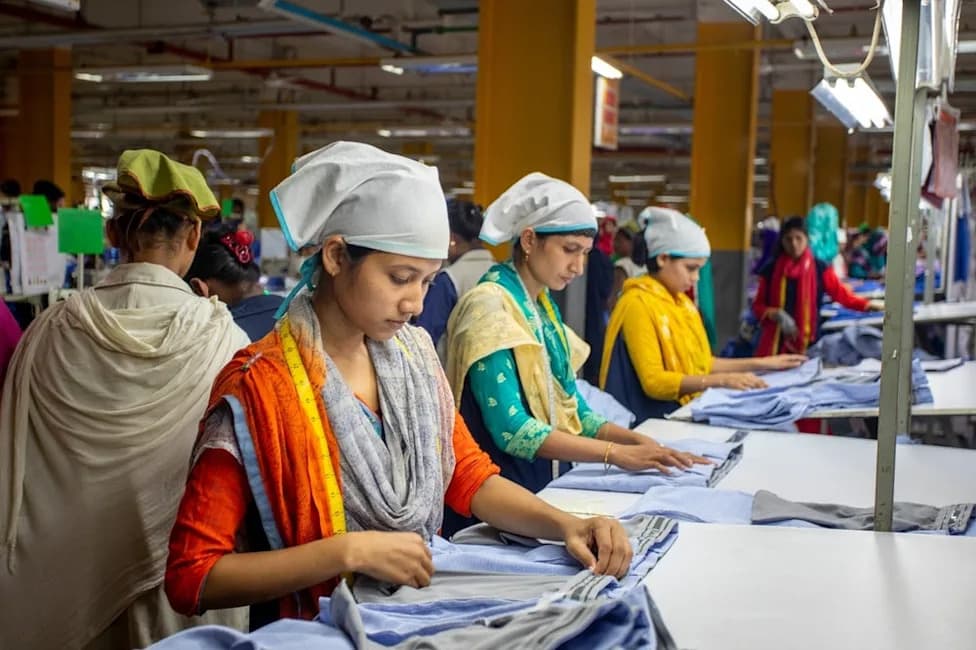
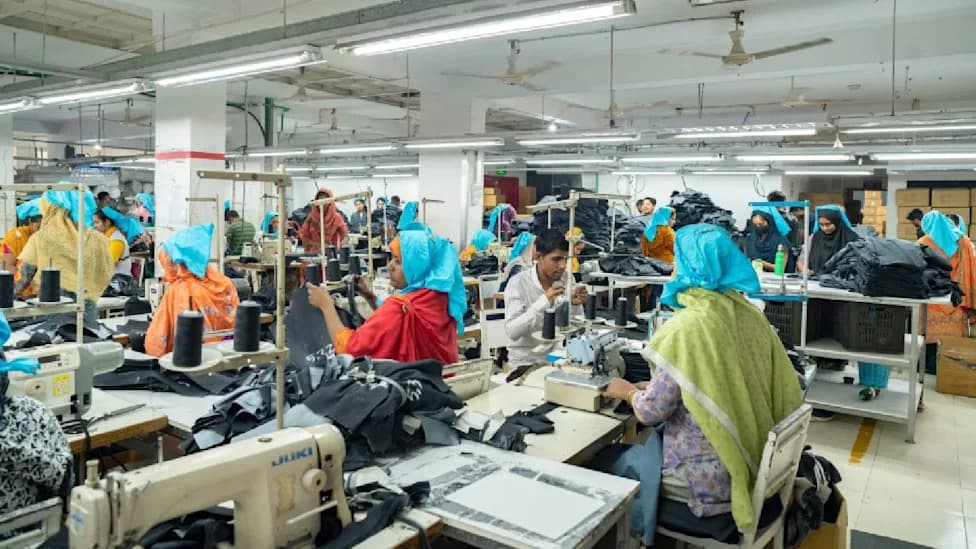
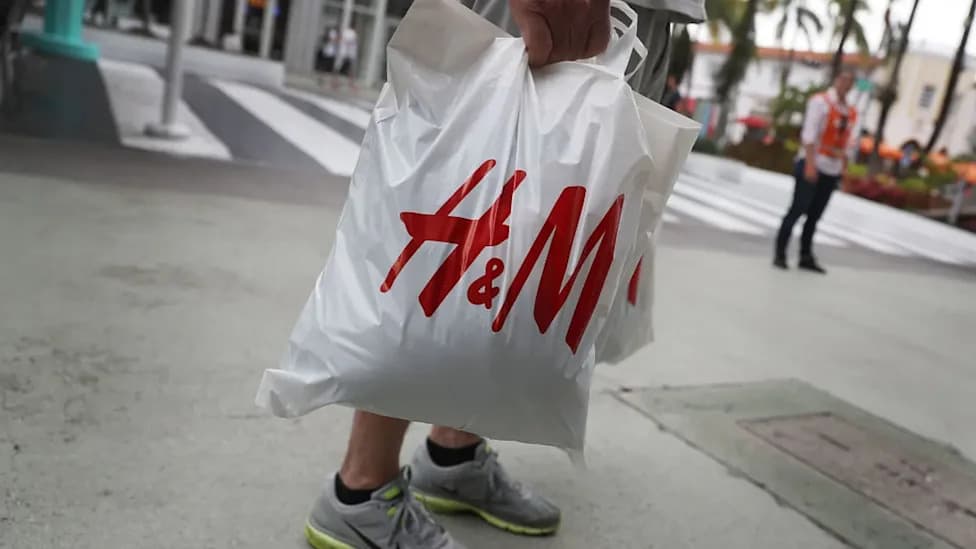
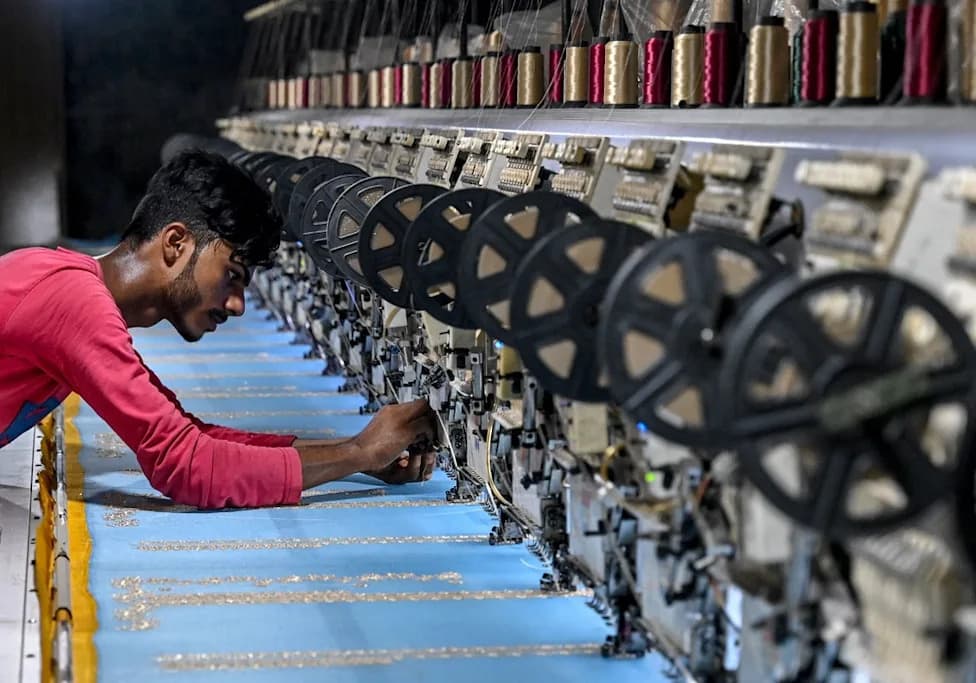
A major new report from Labour Behind The Label warns that global apparel brands, including Gap Inc., Levi Strauss & Co., Primark and H&M Group, are relying on a flawed, billion-dollar audit system that often silences the very workers it is meant to protect. Drawing on testimony from 255 workers across eight factories in Pakistan, the report documents persistent wage violations, forced overtime, harassment, surveillance and intimidation that go unreported due to fear of retaliation.
Key Findings From Pakistan
The investigation found that two-thirds of surveyed workers felt pressured into overtime and 62% said they were not paid the legally required double rate for overtime. More than one-third received no social security benefits, and 65% earned below the legal minimum once skill-level pay and overtime were taken into account. Seventy-one percent said their pay was insufficient to meet basic household needs.
"Workers are not just beneficiaries of due diligence; they are its most credible source of evidence," said Khalid Mahmood, director of Labour Education Foundation Pakistan. The report argues that unequal power dynamics and a routine devaluation of worker testimony have systematically excluded workers from meaningful monitoring and remediation.
Audit Problems and Evasion
The report documents how some factories manipulate audits by fabricating or selectively presenting documents, choosing auditors expected to issue favorable reports, or hiring consultants to coach factories to "pass" inspections. These practices, together with superficial, tick-box compliance by brands, allow violations to persist.
Regional Context: Safety, Heat, And Shutdowns
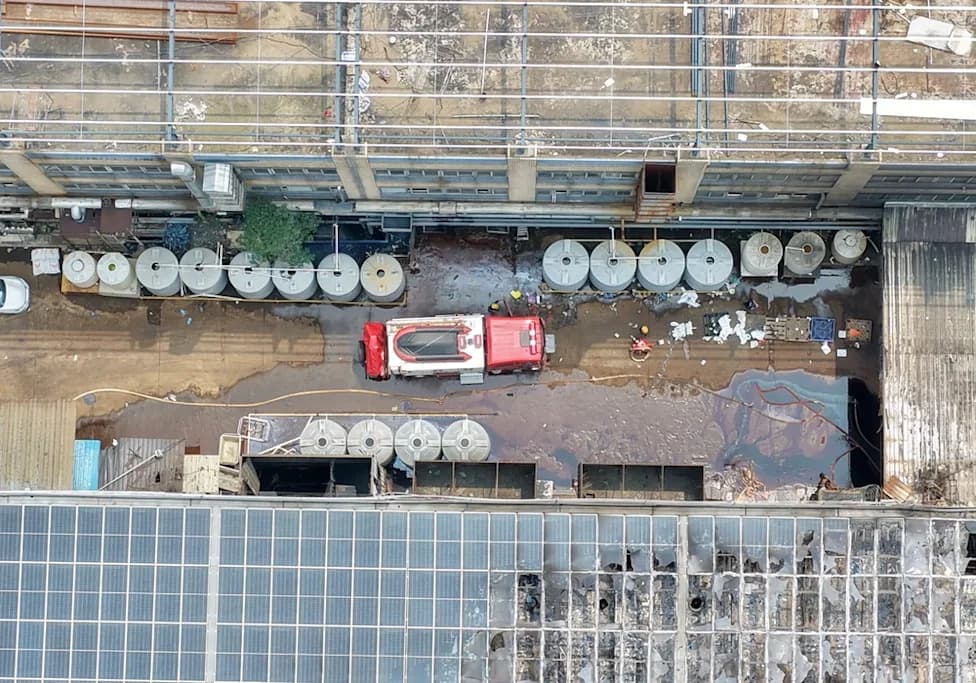
Safety incidents underscore audit shortcomings. In Vietnam, over 200 workers were evacuated after a production-floor fire at An Long Garment Co.; two months earlier a blaze at Uniwin Vietnam Co. destroyed machinery and threatened 1,350 jobs. In China’s Fujian province, a factory fire killed at least 28 people; the factory had recently received favorable audit grades, raising questions about audit effectiveness.
Extreme heat is also taking a toll across South Asia. The International Institute for Environment and Development (IIED) estimates that India’s informal workers lost about $78 billion in wages in 2024 due to heat-related productivity losses and related health issues, including kidney disease linked to chronic dehydration.
In Cambodia, factory closures tied to border disruptions and falling orders have left thousands jobless. A Thai-owned supplier suspended operations in the Poipet O'Neang SEZ, affecting more than 2,500 workers, while other closures have laid off hundreds amid disputes over wages, severance and the right to organize.
Trade Policy And The Path Forward
New U.S. tariffs on imports aim to push forced labor to the center of trade policy. Advocacy groups say this is an opportunity but warn that tariffs alone are insufficient: enforcement, worker-centered remediation and freedom of association must be prioritized. Transparentem and others call for clear roadmaps that let countries reduce tariffs as they make measurable progress eliminating forced labor.
"Fashion is facing a credibility crisis," said Anna Bryher of Labour Behind The Label, urging brands to move beyond audit-driven compliance and invest in systems that guarantee worker voice and freedom of association.
Conclusion: The report underscores that without worker-centered monitoring, genuine freedom to organize and stronger enforcement, audit systems will continue to offer false assurance—and allow dangerous, exploitative conditions to persist across garment supply chains.
Help us improve.