Brazil and Peru have signed an MOU to coordinate protection of Indigenous territories along their shared Amazon border, focusing on isolated communities. The agreement follows an armed incursion into Ashaninka land and urgent appeals by Indigenous leaders. Federal police launched an investigation and operations, and the Brazilian Army deployed about 30 troops. Authorities say expanding drug-trafficking routes, including the Solimões River corridor, are driving criminal pressure on Indigenous lands.
Brazil and Peru Sign Pact to Protect Indigenous Border Lands After Armed Incursion
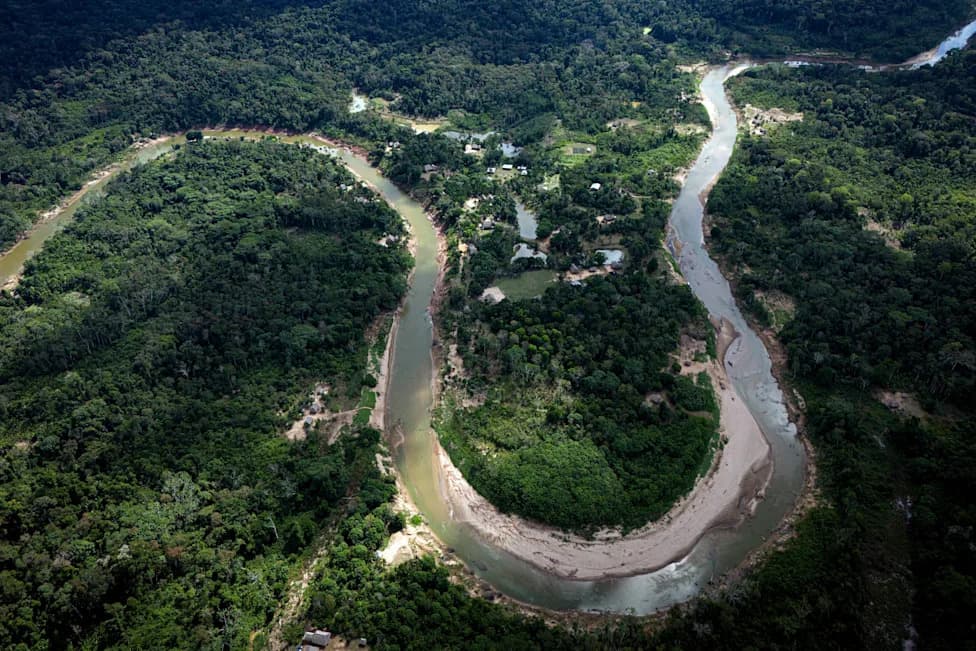
FILE - Ashaninka's territory sits along the winding Amonia River in Acre state, Brazil, June 22, 2024. (AP Photo/Jorge Saenz, File)
Brazil's Ministry of Indigenous Peoples announced on Friday that it has signed a memorandum of understanding (MOU) with Peru's Ministry of Culture to strengthen cooperation in protecting Indigenous territories along the two countries' shared border, with special attention to isolated communities in the western Amazon.
What the Agreement Will Do
The MOU, negotiated since 2024 and expected to be published in the coming weeks, establishes a framework for sharing information and coordinating protection efforts against cross-border threats. According to the ministry, effective protection requires "a coordinated response to shared threats, such as invasions, illegal activities and pressure on traditional lands."
Triggering Events
The announcement follows urgent appeals by a delegation of Ashaninka Indigenous leaders who traveled to Brasilia to request immediate protection after an armed incursion earlier this month. Five men reportedly carrying machine guns entered Ashaninka territory, threatened families and searched for community leaders. The Ashaninka territory straddles the Brazil–Peru border in the western Amazon.
Security Response
Federal police opened an investigation into the attacks and, on Monday, launched an operation in the region together with state authorities. "The operation aims to prevent and combat incursions into Indigenous territories, criminal organizations, drug trafficking, environmental crimes and other cross-border offenses," the ministry said.
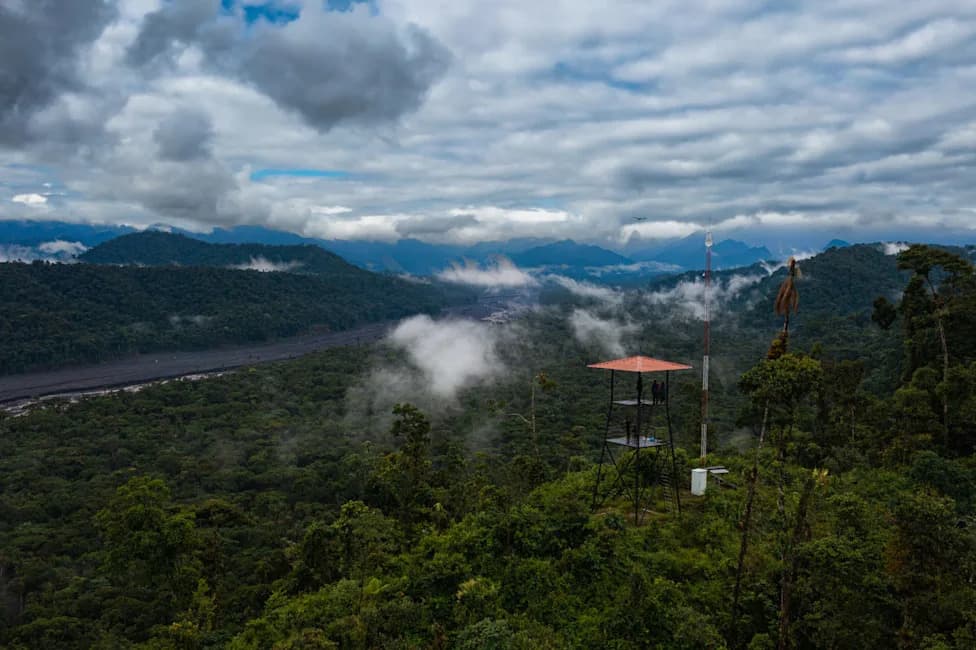
Separately, the Brazilian Army said it had reinforced its border presence by deploying about 30 troops to the area. Indigenous groups have criticized such deployments as temporary responses to persistent threats.
Criminal Networks and Environmental Stakes
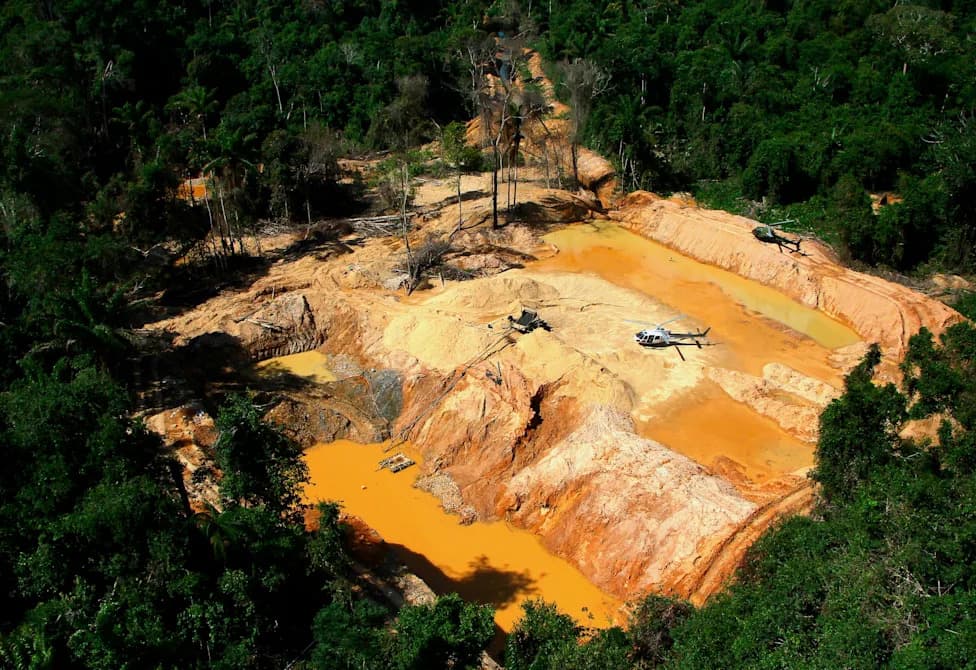
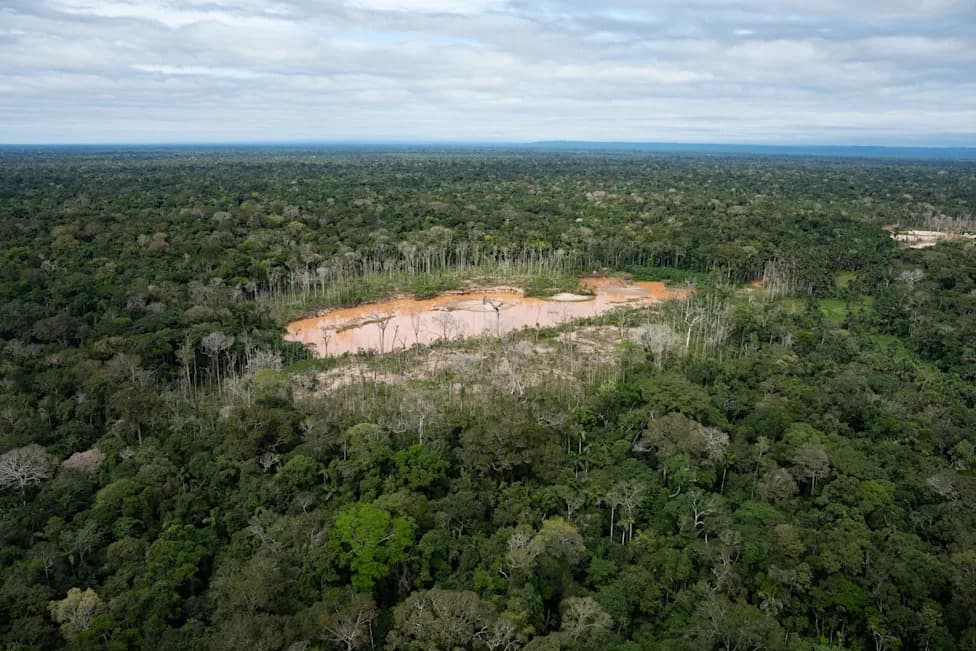
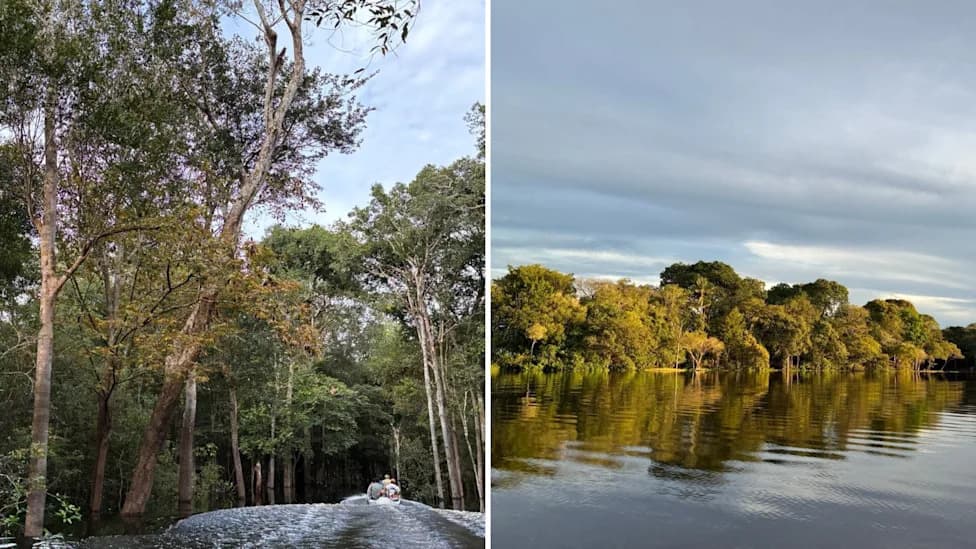
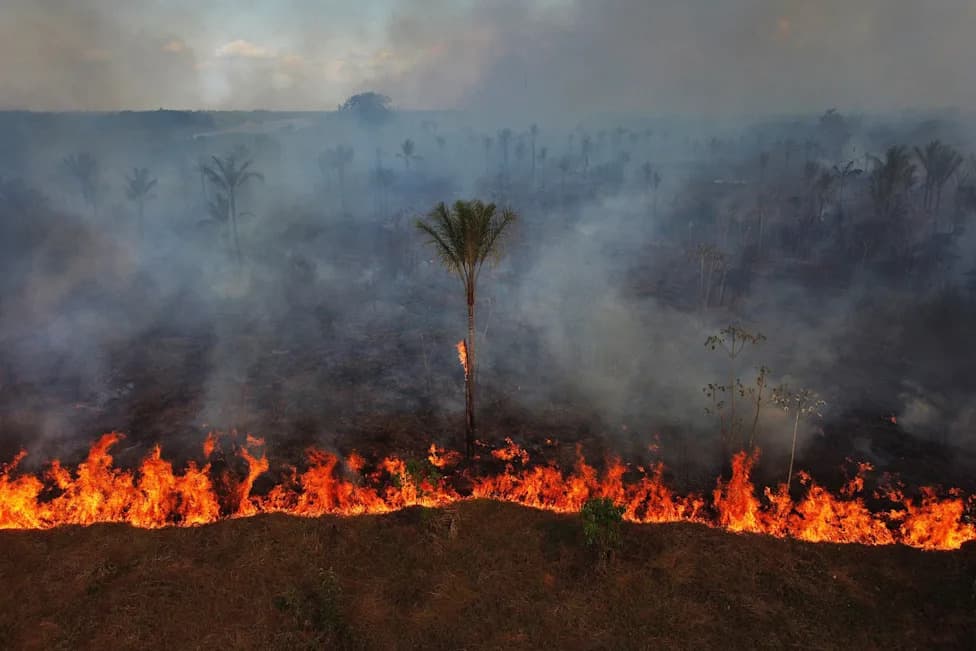
Officials and analysts say gangs and drug traffickers are increasingly using Amazon rivers and adjoining forest routes — including what experts call the Solimões River route — to move narcotics across the border. Indigenous territories often lie along these corridors: protecting them is widely viewed as one of the most effective ways to curb deforestation in the Amazon, the world's largest rainforest and a critical regulator of global climate. At the same time, intact remote forests can provide hiding spots that traffickers exploit.
The Army added that preliminary information from Indigenous leaders and government agencies indicates the armed men likely entered the territory from across the Peruvian border.
Note: Peru's Ministry of Culture could not immediately be reached for comment.
The Associated Press' climate and environmental coverage receives financial support from multiple private foundations. AP is solely responsible for all content.
Help us improve.