Ticks are expanding across the U.S. Warmer winters, land-use change and increased deer populations are lengthening tick seasons and spreading tick-borne diseases such as Lyme disease and Alpha-gal syndrome. Emergency visits for tick bites are up, yet most local vector-control programs remain focused on mosquitoes. Experts call for greater public-health investment in host-targeted tools (vaccines and biocontrols), expanded surveillance and sustained local interventions—paired with consistent personal precautions like tick checks and permethrin-treated clothing.
The Ticks Are Winning: How Tick-Borne Illnesses Are Spreading Across the U.S. — And What We Can Do
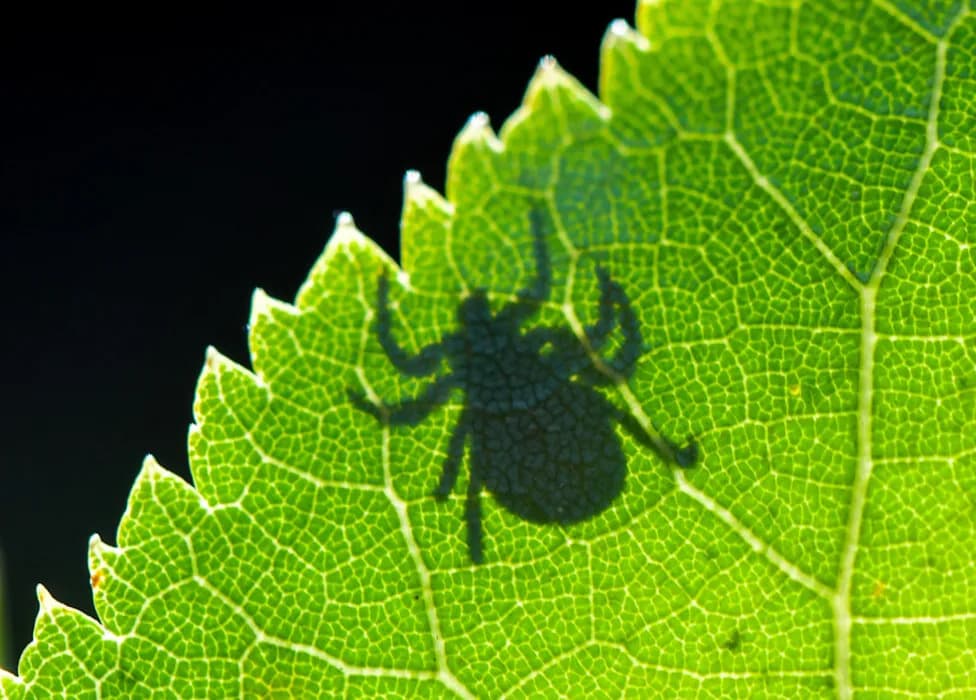
The silhouette of a tick on a leaf
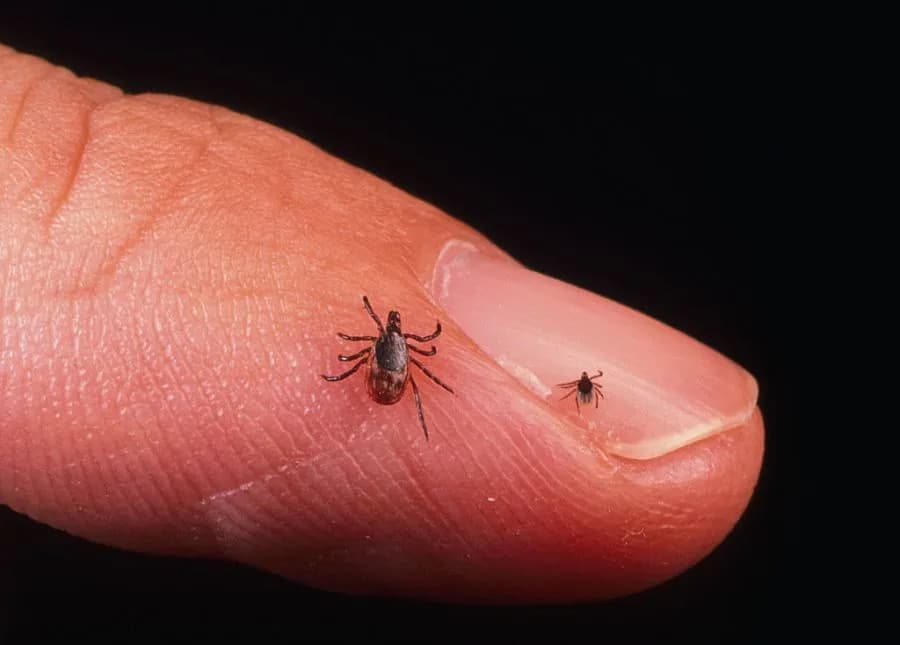
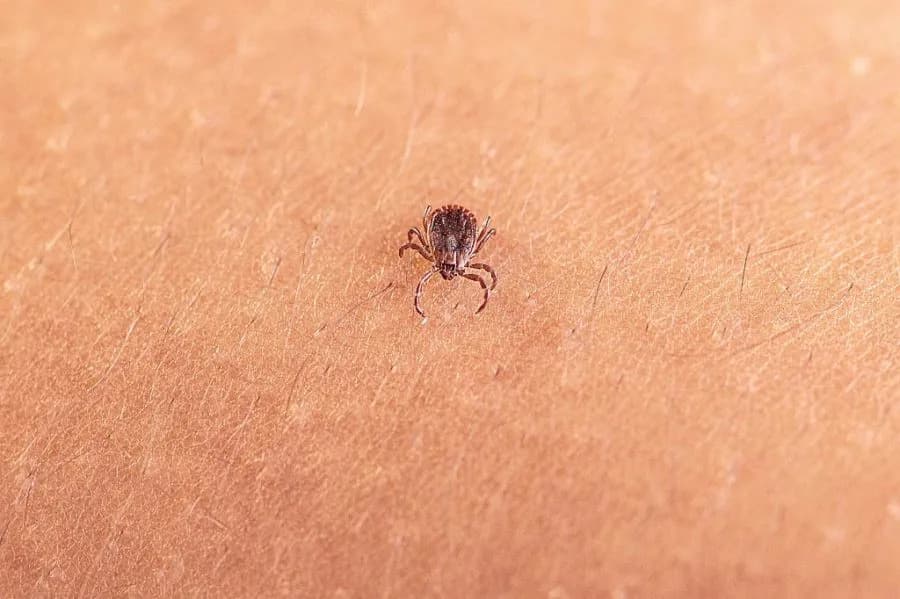
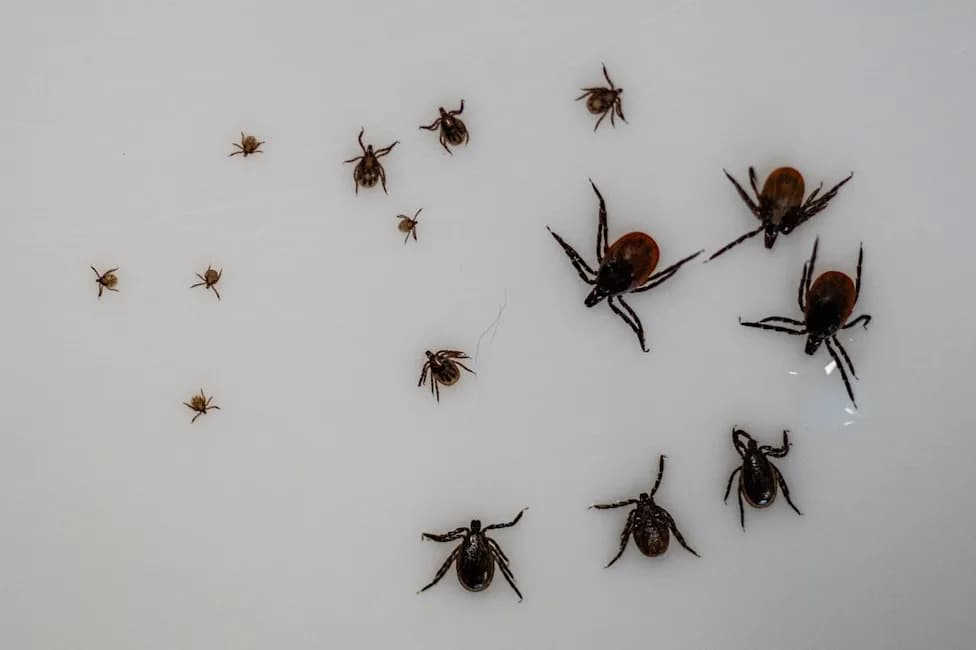
Ticks are spreading across the United States, pushed by warmer winters, changing land use and a booming deer population. These tiny arachnids transmit a range of illnesses—from Lyme disease to Alpha-gal syndrome, an allergy to red meat—and in rare cases bites can have fatal consequences.
Everyday activities like hiking, gardening or simply spending time in a backyard or park now carry a higher risk of encountering ticks. In many communities people are already changing how they dress, where they go and how often they use public green spaces because of rising tick anxiety.
Why Ticks Are Thriving
Several factors are combining to expand tick ranges and increase human exposure:
- Warmer winters: Milder temperatures lengthen the season when ticks are active and questing for hosts.
- Land-use changes: Suburban development and fragmented forests create ideal habitat for hosts such as deer and rodents.
- Growing deer populations: Deer are major hosts for many tick species and help sustain large tick populations.
The Health Toll
Lyme disease is the best-known tick-borne illness: roughly 500,000 Americans are treated for it each year, and reported cases have more than doubled over the past decade. Emergency-room visits for tick bites are higher than at any point since 2017. Other consequences include illnesses from multiple bacterial, viral and parasitic pathogens and allergic reactions such as Alpha-gal syndrome, which has been linked in at least one 2024 case to a lone star tick bite.
Nearly 90 percent of vector-borne disease cases in the U.S. are caused by ticks, yet most local vector-control effort targets mosquitoes.
Gaps in Public-Health Response
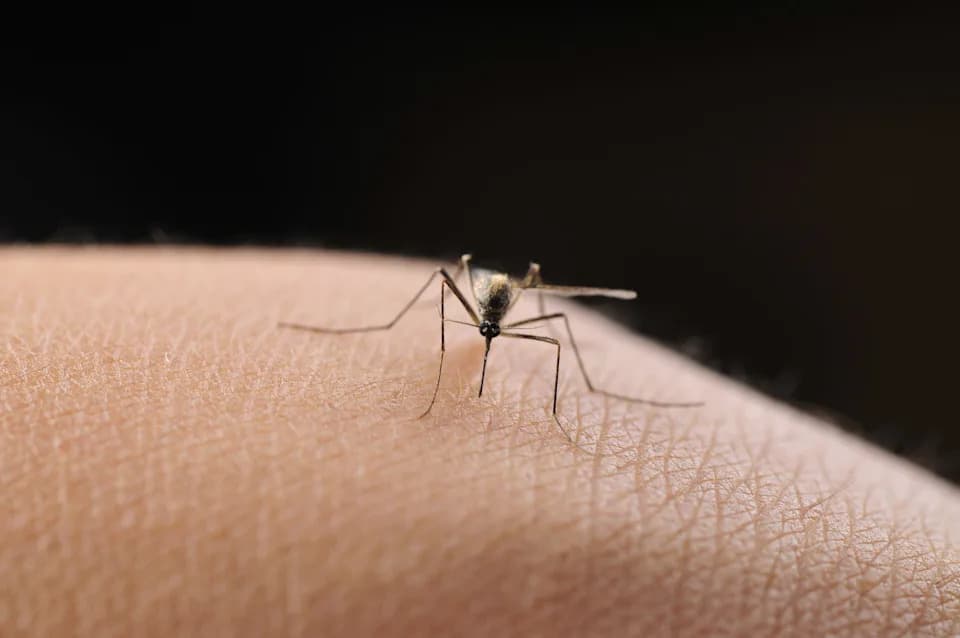
Local health agencies devote about 80% of vector-control effort to mosquitoes and only 10–11% report any tick-control activities. Experts say chronic underfunding, limited policy support and the complexity of host ecology have left tick control underdeveloped compared with long-standing mosquito programs.
There are precedents for large-scale vector campaigns: for example, the U.S. eliminated screwworm and reduced malaria through coordinated, sustained programs. But addressing ticks requires different tools and often must target the animals they feed on—primarily deer and small mammals.
Promising Strategies
Researchers and public-health experts advocate a combined approach:
- Host-targeted interventions: Vaccines or other biological controls delivered to deer or rodents could reduce tick survival or pathogen transmission.
- Landscape and wildlife management: Habitat modification and targeted host management can reduce local tick abundance when applied at scale.
- Expanded surveillance and funding: More resources for testing, pilot programs and sustained local efforts are needed to evaluate scalable solutions.
What People Can Do Now
While public programs are scaled up, individuals can reduce their risk by practicing consistent protective behaviors:
- Do a full-body tick check after spending time outdoors and remove attached ticks promptly.
- Heat-dry clothing after outdoor activities—ticks are vulnerable to high temperatures.
- Use permethrin-treated clothing and gear (applied according to product instructions) and EPA-approved repellents on skin.
- Stay on trails, avoid tall grass and create tick-unfriendly zones around yards with landscaping and barriers.
These personal measures are effective when used consistently—but they are not a substitute for sustained public-health investment. As winters warm and tick activity expands across the calendar, a combination of individual vigilance and larger-scale, evidence-based interventions will be necessary to slow the spread of ticks and the diseases they carry.
Help us improve.