California Democrats, led by Xavier Becerra and Assembly Speaker Robert Rivas, have launched a coordinated campaign to defeat Proposition 39, a Republican-backed voter ID measure. Proponents have raised at least $12 million, while the opposition begins with about $2 million and endorsements from unions and advocacy groups. The effort intensified after Attorney General Rob Bonta revised the ballot title and description, drawing accusations of bias from supporters. Opponents plan to nationalize the issue by tying it to former President Donald Trump as the campaign moves toward November.
California Democrats Launch Coordinated Campaign to Defeat Prop 39 Voter ID Measure
California Dems ramp up anti-voter ID fight
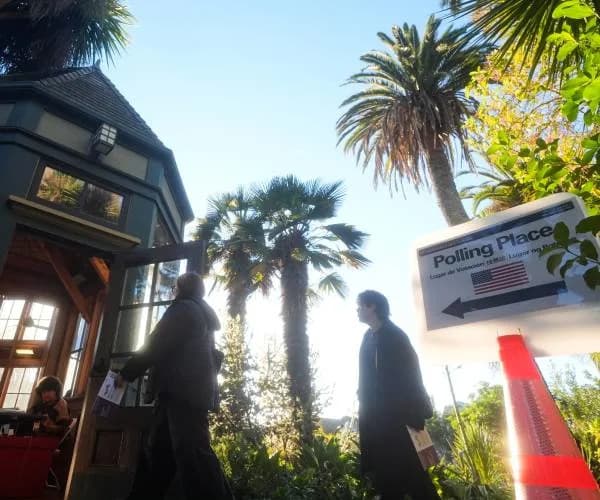
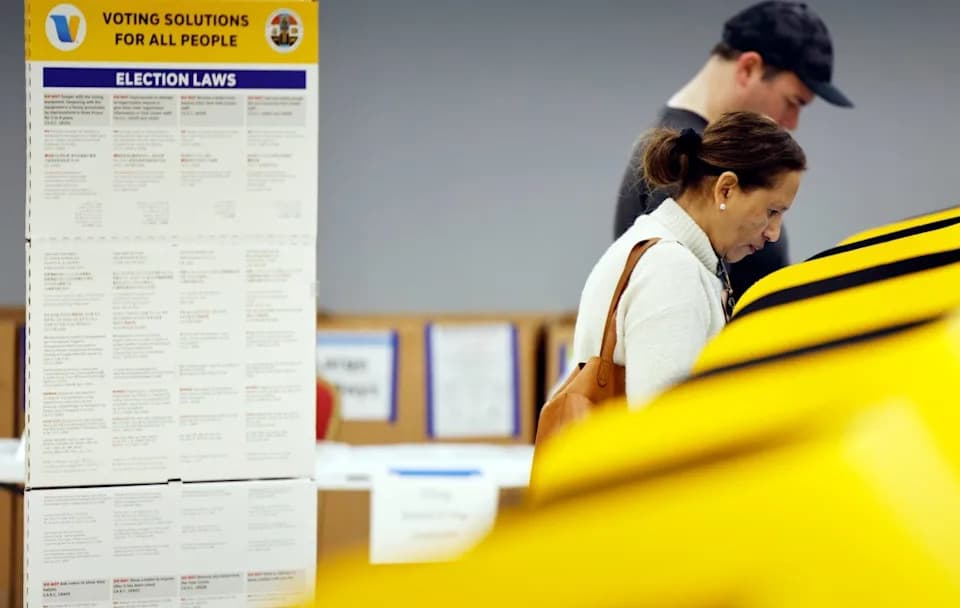
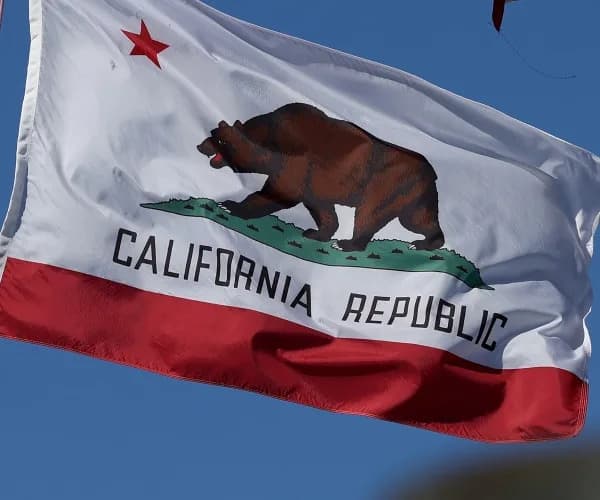
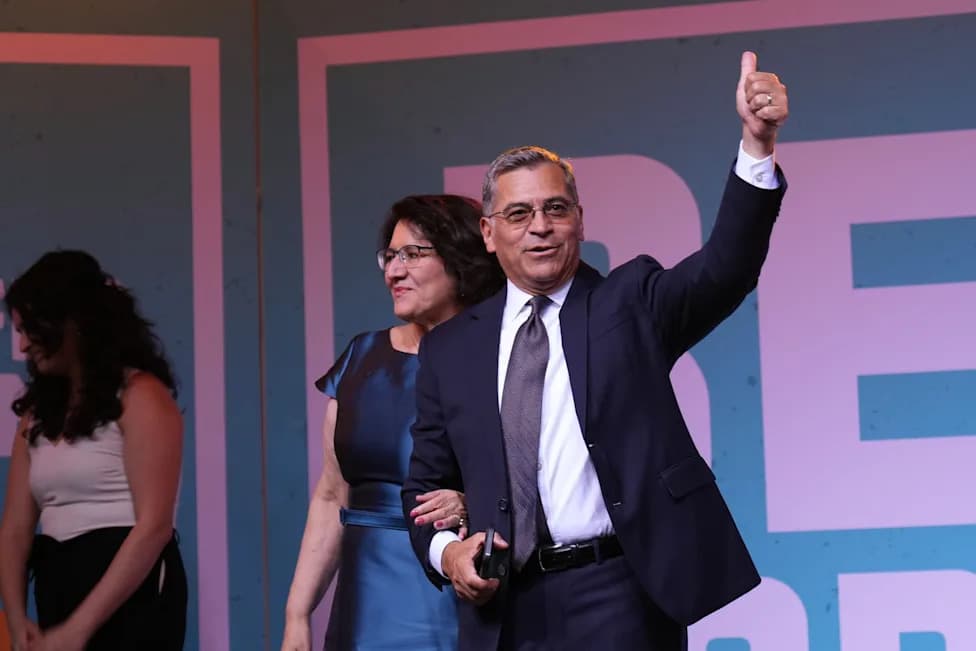
LOS ANGELES — California Democrats have escalated a coordinated effort to defeat Proposition 39, a high-profile, Republican-backed voter ID initiative. Gubernatorial frontrunner Xavier Becerra and Assembly Speaker Robert Rivas are serving as honorary co-chairs of a new committee mobilizing to stop the measure.
Fundraising, Polling And Backers
The opposition starts at a financial and polling disadvantage: proponents of the voter ID proposal have raised at least $12 million, while the newly launched anti-Prop 39 effort begins with roughly $2 million and institutional endorsements. Major groups backing the opposition include SEIU California, the California Teachers Association and Planned Parenthood.
A Berkeley IGS poll in April found that 56 percent of respondents supported the measure after reading a basic description. That initial support falls sharply, however, once voters hear partisan messaging from both sides — underscoring how messaging will shape the contest as campaigns ramp up.
Leadership, Strategy And Coordination
Becerra and Rivas are not only lending their names to the effort; they are committing campaign resources and personnel. The committee will be led by Courtni Pugh, a senior strategist from Becerra's gubernatorial team, alongside Rick Rivas, the Assembly speaker's brother and closest political adviser. The Becerra-aligned group — No on 39 — plans to coordinate with a broader coalition that includes ACLU California Action, California Common Cause and the League of Women Voters.
"Donald Trump's election rigging has no place in California," Becerra said. "As Attorney General, I took Trump to court — and won — when he tried to intimidate voters and suppress the vote. Prop 39 is his playbook coming to California... That should worry every Californian. I'm proud to be part of this campaign to stop it."
"Donald Trump and his MAGA cronies like Carl Demaio want to make it harder for California citizens — especially communities of color — to exercise their right to vote," Rivas said, framing part of the opposition's strategy as nationalizing the measure and tying it to Trump.
Controversy Over Ballot Language
The campaign heated up after Attorney General Rob Bonta revised the title and description that will appear on the November ballot. The redrafted language emphasizes that citizens could be "prohibited" from voting without government-issued identification and that ballots not meeting ID requirements could be invalidated. Supporters of Prop 39, including Assemblymember Carl DeMaio, accused the Attorney General of changing the language to bias the contest.
"When Rob Bonta didn't think we could get the signatures on Prop 39, he provided a relatively fair ballot title — but now that the citizens have forced Prop 39 on the ballot, he decides at the last minute to corruptly try to rig the election against Prop 39 by changing the ballot title to a biased and dishonest one," DeMaio said in a statement.
Bonta responded on social media that California law allows adjustments to initiative ballot language to "provide further clarity for voters," noting that all nine voter-proposed initiatives this year had changes, including Prop. 39.
What Comes Next
As both sides pour resources into messaging and outreach ahead of November, the race will likely hinge on turnout, voter reaction to targeted messaging, and how effectively each side ties the issue to broader national and state political narratives. Expect continued fundraising drives, coalition-building, and legal and political sparring over ballot language and campaign claims.
Help us improve.