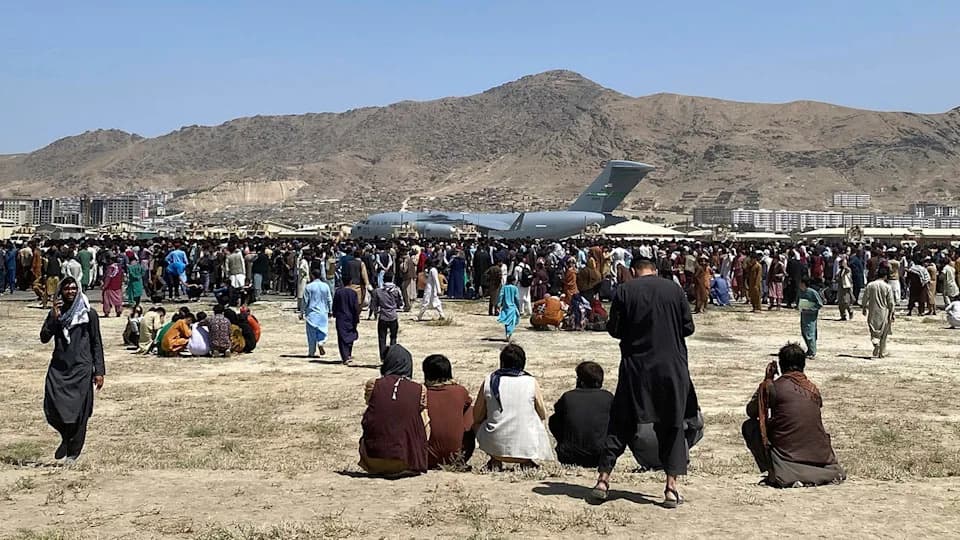
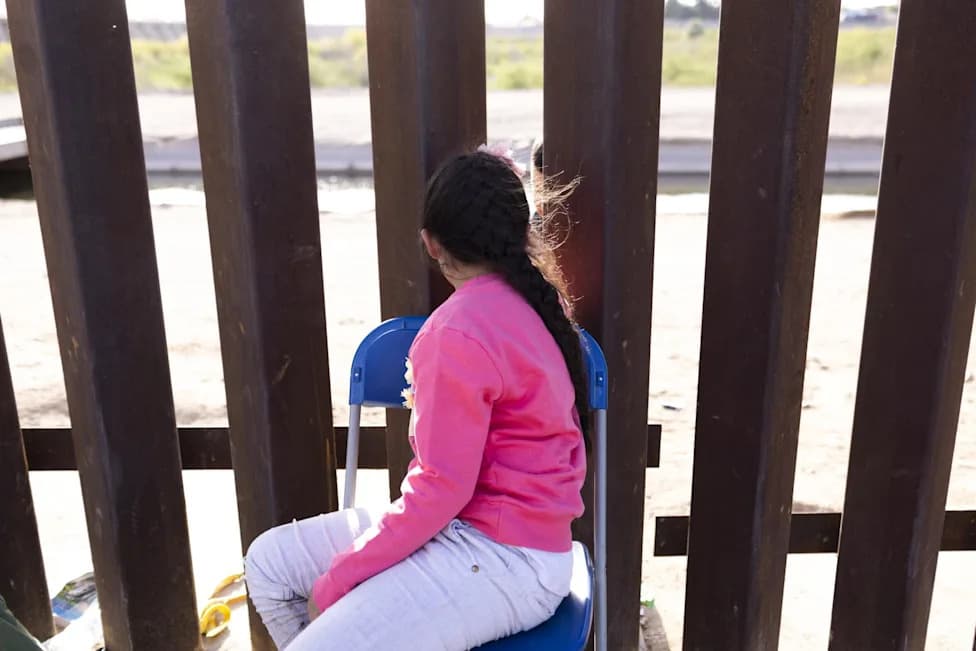
The Office of Refugee Resettlement is reported to be preparing interviews with about 800 Afghan refugees in the U.S. as part of a "wellbeing initiative," prompting fears that collected information could be retained for up to 15 years and used to support deportations. Advocates say the outreach comes amid policy changes that have narrowed protections and pathways for Afghans, including a USCIS memo to re-interview roughly 233,000 refugees admitted between 2021 and 2025. Groups demand transparency, legal safeguards and clear limits on data sharing to ensure outreach does not harm vulnerable families.
‘Nefarious’ Interview Plan for Afghan Refugees Sparks Fears of Deportations, Advocates Say
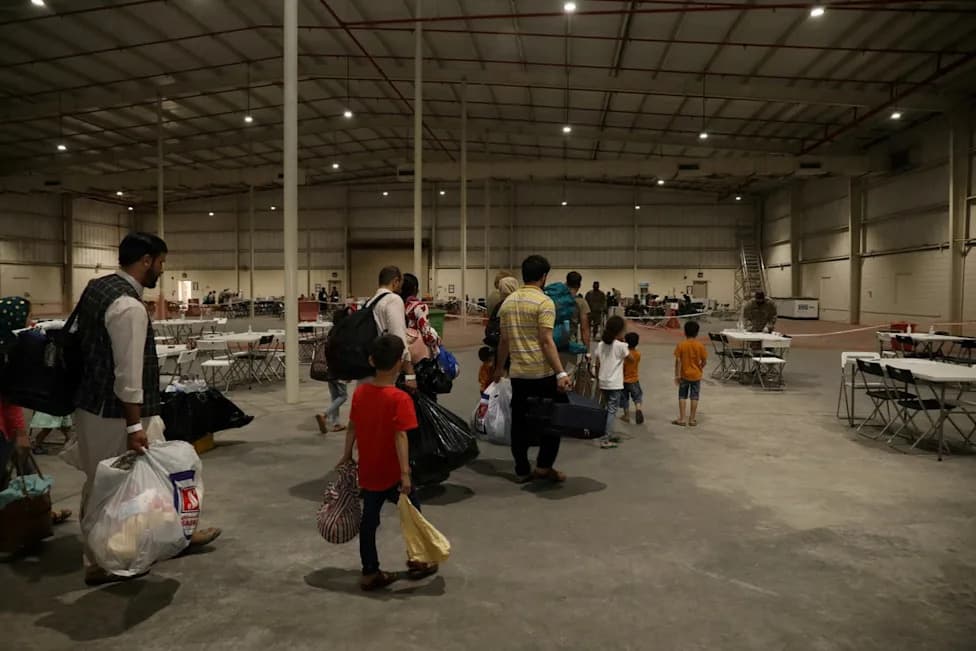
‘Nefarious’ Trump plan to interview Afghan immigrants sparks deportation fears
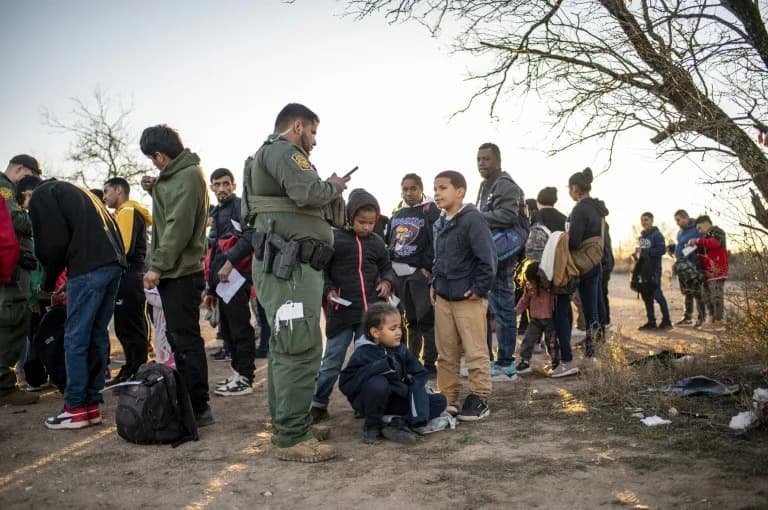
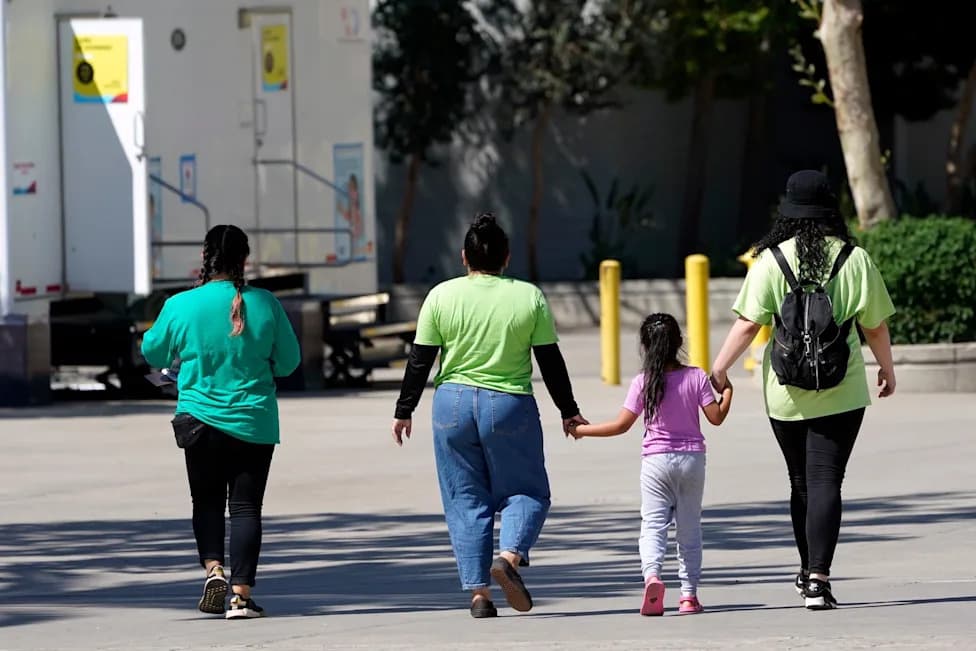
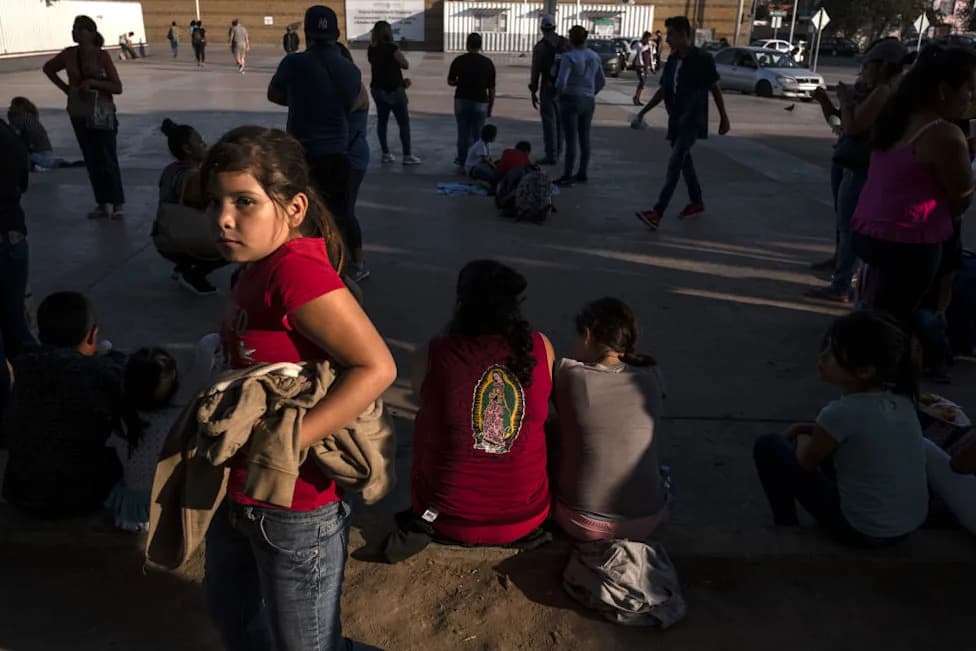
Refugee advocates and community leaders are raising alarms after reports that the federal Office of Refugee Resettlement (ORR) plans to interview roughly 800 Afghan refugees in the United States as part of a so-called "wellbeing initiative." Critics warn that detailed personal information collected during the outreach could be retained for years and potentially used to support future deportations.
The accounts stem from a July 14 email to ORR staff obtained by The Washington Post, which reportedly outlines a questionnaire asking about respondents' identities, assimilation into American culture and the immigration status of every household member. The notice attached to the questionnaire reportedly states that answers are not anonymous and that information could be kept for up to 15 years.
Advocates Fear Harm, Call For Transparency
Advocacy groups told The Independent that outreach calls may have already begun. Sean VanDiver, founder of #AfghanEvac, said interviews may have started as early as last Thursday and described the program's intent as "nefarious," based on sources inside the administration. Beth Oppenheim, CEO of refugee group HIAS, said the effort comes amid a climate of distrust created by recent policy changes that have narrowed pathways for Afghans.
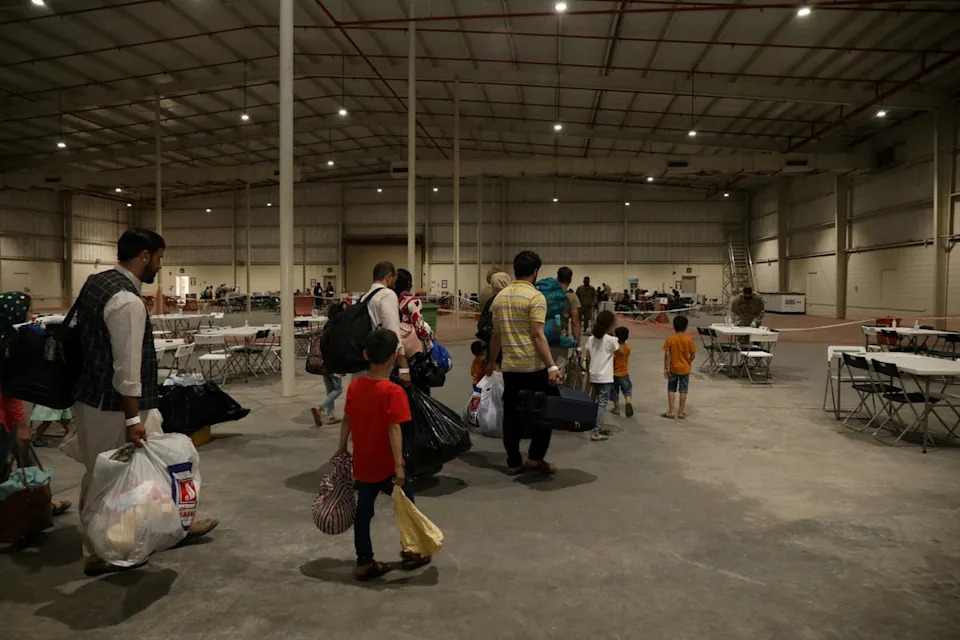
The Trump administration is reportedly launching an effort to interview hundreds of Afghan refugees living in the U.S., in what community members fear is an attempt to power future deportations (via REUTERS)
"There’s no good reason for them to be doing this," VanDiver said. "They don’t care about the welfare of Afghans. Everything that this administration has done with them has been to cause harm."
Government Response
ORR, which reports to Health Secretary Robert F. Kennedy Jr., told The Independent through the Administration for Children and Families that the outreach aims to "strengthen efforts to ensure that the populations it serves receive the services funded by American taxpayers." The agency said it is conducting outreach to connect eligible individuals with ORR-funded services and will continue those efforts while people remain eligible.
The Administration for Children and Families also noted that ORR "works closely with its federal law enforcement partners" and is legally required to share information about individuals suspected of criminal activity. The Department of Homeland Security had not responded to requests for comment at the time of reporting.
Context: Policy Changes and Past Incidents
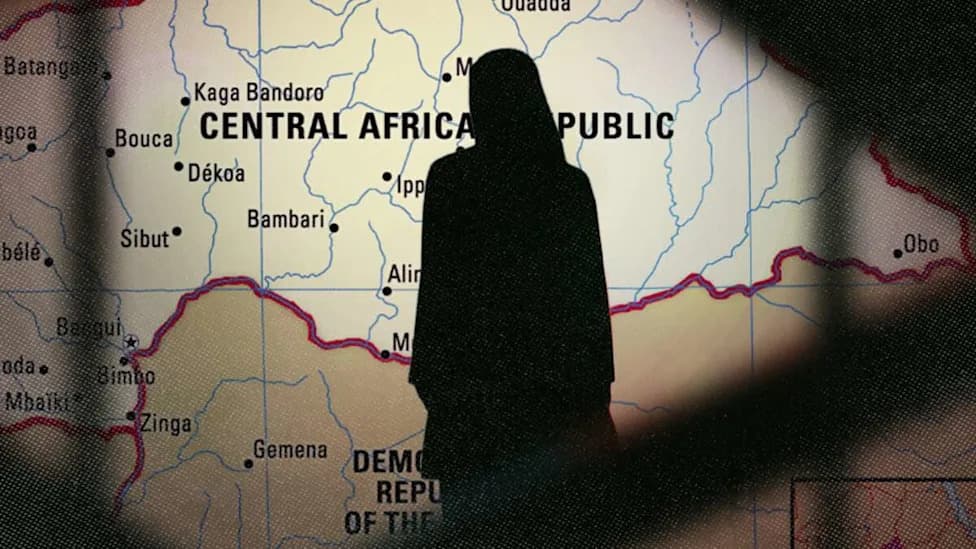
Advocates place the reported interviews in the context of broader policy shifts affecting Afghans: the administration has frozen most refugee resettlement, rescinded emergency protected status for Afghan refugees in the U.S., paused issuance of some Afghan visas and restricted travel. Critics also point to ongoing uncertainty for more than 1,000 people held at a refugee center in Qatar, where relocation proposals — including to the Democratic Republic of Congo — have sparked concern from family members and advocates.

Critics accuse the Trump administration of mistreating Afghans in the U.S., pointing to the death of Mohammad Nazeer Paktiawal in ICE detention and the decision to strip away emergency protections from Afghan refugees (Courtesy of #AfghanEvac)
Advocates also cite treatment in detention: in March, Mohammad Nazeer Paktiawal, an Afghan who worked with U.S. forces, died within a day of entering Immigration and Customs Enforcement custody. His death certificate listed an adverse reaction to an unidentified substance as the cause. The case has amplified calls for accountability and clearer protections for refugees.
Separately, a November memo from U.S. Citizenship and Immigration Services (USCIS) directed a review and re-interview of roughly 233,000 refugees admitted between January 20, 2021, and February 20, 2025, and temporarily blocked green-card processing for refugees admitted during that period — a move advocates say has further eroded trust.
What Advocates Want
Community groups and legal advocates are urging transparency about the interviews' purpose, how data will be stored and shared, and what protections exist to prevent information being used against vulnerable families. They call for clear safeguards, informed consent, and assurances that outreach intended to connect people with services will not expose them to immigration enforcement or other risks.
As conversations continue, refugees and their supporters insist that any government engagement must prioritize safety, clarity and the provision of services — not contribute to fear or additional instability.
Help us improve.