A female marmoset was found hidden inside a small white birdcage beneath a laundry bag on a London bus on July 17. Rescuers named her Oyster; she was dehydrated but later assessed as healthy and moved to a sanctuary. The RSPCA links the abandonment to a new U.K. licensing rule for pet primates and urges owners who cannot comply to contact specialists or charities instead of abandoning animals.
Hidden Marmoset Abandoned on London Bus Rescued — 'Oyster' Now Recovering at Sanctuary
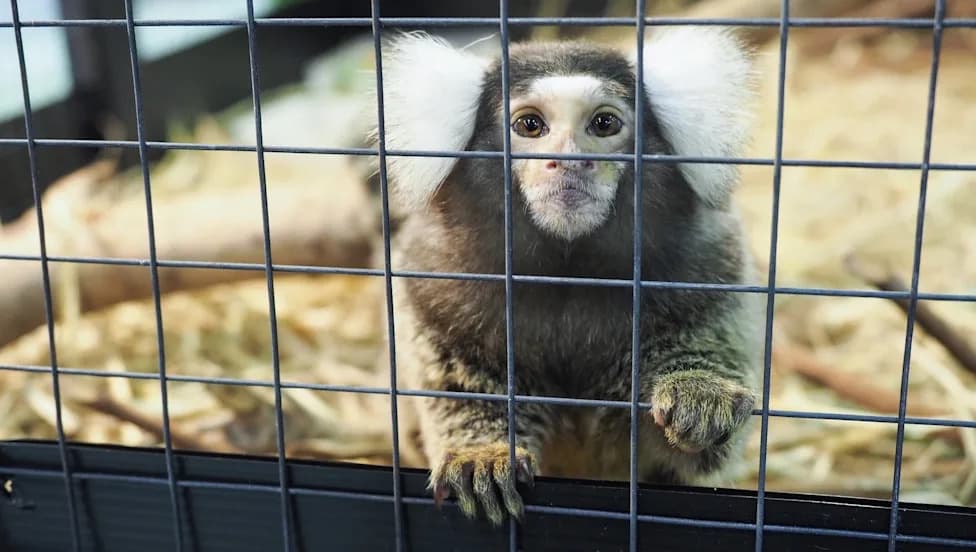
Photo Credit: iStock
On July 17 a routine London bus journey took a disturbing turn when a passenger trying to move past what looked like a bag of laundry discovered a live marmoset concealed beneath it.
The Royal Society for the Prevention of Cruelty to Animals (RSPCA) said the animal was a female marmoset from South America. Rescuers named her Oyster, a playful nod to Transport for London’s Oyster travel card. She had been placed inside a small white metal birdcage and hidden under a plastic laundry bag; rescuers found some apple with her but reported she was dehydrated and visibly stressed.
Other passengers had not noticed the animal until someone tried to squeeze past the bag and realised there was a living creature inside. The bus driver and Metroline staff kept Oyster in a cool, dark place until the RSPCA arrived to take responsibility for her care.
The abandonment coincided with a new U.K. licensing requirement for keeping pet primates. Government estimates suggest up to 5,000 primates may still be living in private homes across England, and animal-welfare groups fear some owners may choose to abandon animals rather than comply with stricter rules.
RSPCA Chief Inspector Clare Dew said: "This is clearly a direct result of the new legislation and is something we feared would happen. I'd be surprised if it's the last primate we see being dumped."
After being taken to a specialist facility and assessed as healthy, Oyster was moved to a sanctuary where staff say she is settling in. Sanctuary staff plan to introduce her to a lone male marmoset already resident at the site once she has fully recovered from the stressful ordeal.
Animal-welfare groups and authorities say the licensing change is intended to improve accountability and safety for primates kept as pets. Cases like Oyster’s highlight the need for clearer surrender pathways, stronger enforcement where appropriate, and public education so owners who cannot care for animals seek help rather than abandoning them in public places.
Advice: If anyone is struggling to care for a primate or cannot obtain the required licence, contact vets, specialist rescue charities or the RSPCA — abandonment can have tragic consequences for animals and public safety.
Help us improve.