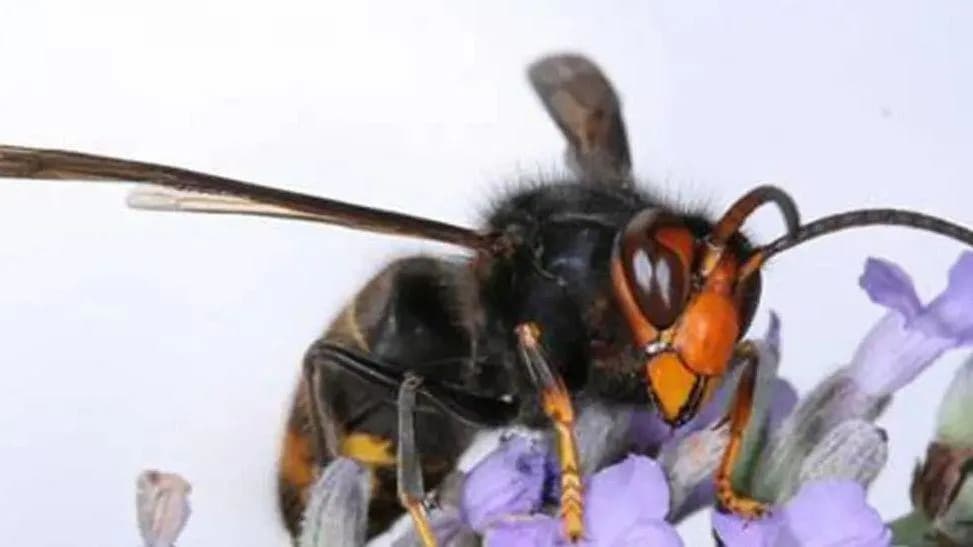
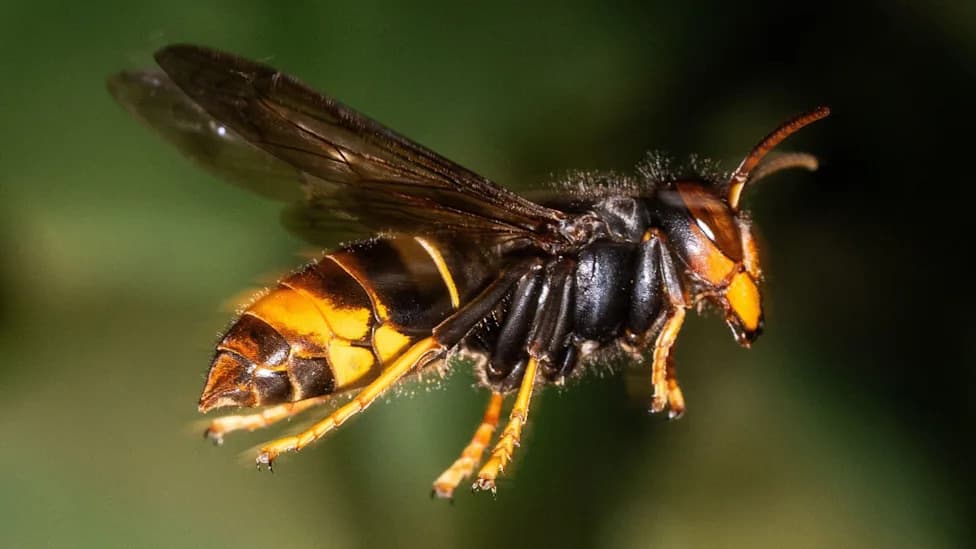
The yellow-legged hornet (Vespa velutina) has been confirmed in parts of Georgia and South Carolina and is quietly spreading in the U.S. Southeast. Agencies have set up quarantine zones and use scent traps, DNA testing, and public reports to detect and limit its expansion. The hornet preys on returning honeybees and can gradually wear down hives already stressed by mites, disease, pesticides, and habitat loss. Early detection and public reporting are critical to protecting pollinators and the agriculture they support.
Southeast Scrambles to Contain Yellow-Legged Hornet Threat to Honeybees
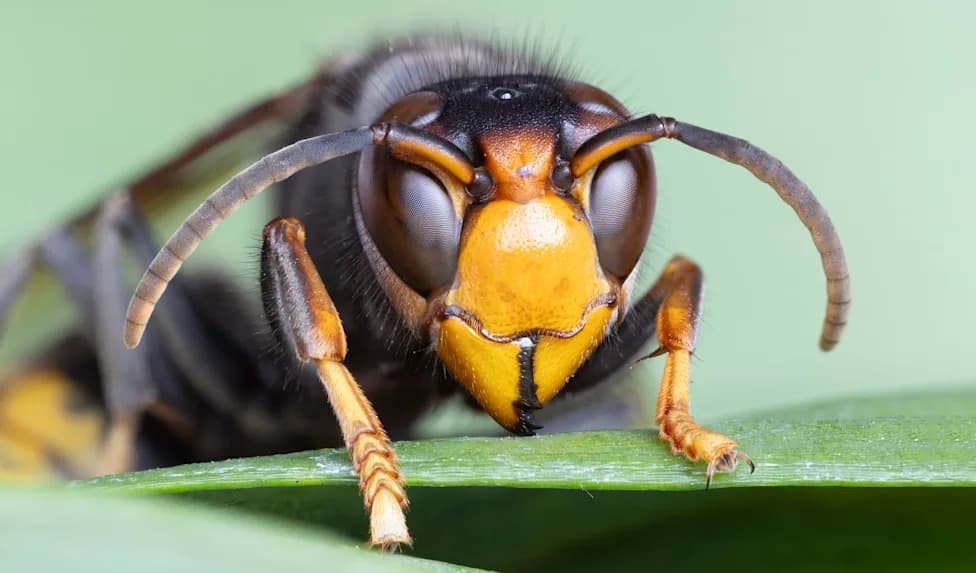
Photo Credit: iStock
An invasive yellow-legged hornet (Vespa velutina) has been confirmed in parts of Georgia and South Carolina, and officials are racing to limit its spread before it becomes a larger threat to pollinators, agriculture, and local ecosystems.
Vespa velutina hunts honeybees by hovering near hive entrances and capturing returning foragers. Unlike the dramatic mass attacks associated with the Asian giant hornet, this species typically weakens colonies gradually: individual hornets can kill many bees each day and a single nest can steadily reduce a hive’s population until it can no longer defend or sustain itself.
Why This Matters
Honeybees already face major pressures from varroa mites, disease, pesticides, habitat loss, and stresses tied to colony collapse. Adding an efficient new predator raises the risk to pollinator health, which in turn threatens crop yields, local food systems, and the broader ecosystems that depend on pollination.
Where It Has Been Found
The species has been confirmed in parts of Georgia and South Carolina. Quarantine zones have been established in affected areas to reduce the chance the hornet is moved accidentally in goods, equipment, or other materials. Officials are particularly watchful for spread toward neighboring states, including Florida.
How Officials Are Responding
State and federal agencies are using a combination of methods to detect and contain the hornet: scent-based traps, DNA testing of captured insects, public sighting reports, and targeted nest searches. Researchers are also working to map the insect’s current range more precisely so eradication or containment efforts can be better focused.
Identification and Public Role
Detecting this hornet can be difficult because it resembles some native wasps and hornets. Key distinguishing features include relatively dark coloration with yellow legs and a characteristic body shape. If you suspect you have seen a yellow-legged hornet, do not approach or attempt to remove the nest yourself: safely photograph the insect (from a distance), record the location, and report the sighting to your state department of agriculture or local extension service.
Beekeepers should remain vigilant for unusual activity at hive entrances and consider extra protective measures. Gardeners and the general public can help by submitting clear photos and precise locations to authorities — early detection greatly increases the chance of stopping new populations before they become established.
Longer-Term Concerns
Beyond immediate hive losses, the spread of Vespa velutina could raise costs for agriculture and conservation, and reduce pollination services for many fruits, vegetables, and nuts. Protecting pollinators requires coordinated monitoring, rapid response, and cooperation from the public.
If you see a suspected yellow-legged hornet: Photograph it from a safe distance, note the exact location, and report the sighting to your state department of agriculture or local extension office.
Help us improve.