Texas Attorney General Ken Paxton has repeatedly avoided answering reporters about a report that alleges he voted in six elections while registered at a nonresident address. On Friday he hurried into the Ronald Reagan Republican Center rather than respond to a direct question, following earlier instances this week when he left a press conference under similar pressure. The alleged conduct can be charged as a second-degree felony with penalties up to $10,000 and 20 years in prison, and Paxton has not publicly admitted wrongdoing.
Ken Paxton Evades Reporters Amid Allegations He Voted From A Nonresident Address
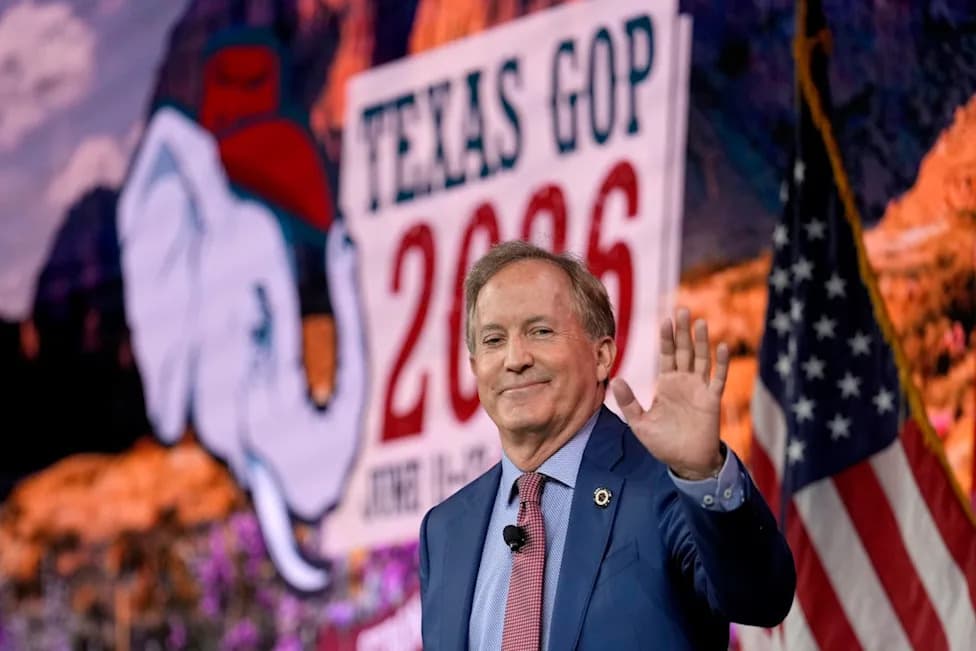
Ken Paxton Runs Away When Asked About His Alleged Voting Fraud
Texas Attorney General Ken Paxton has repeatedly declined to answer reporters’ questions about a report alleging he voted in six elections while registered at an address where he does not live.
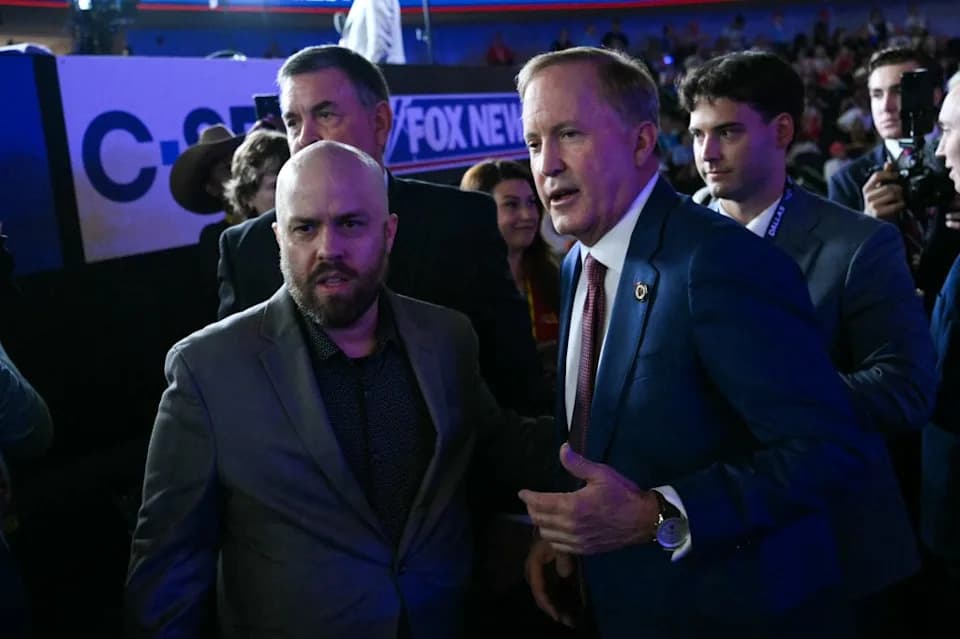
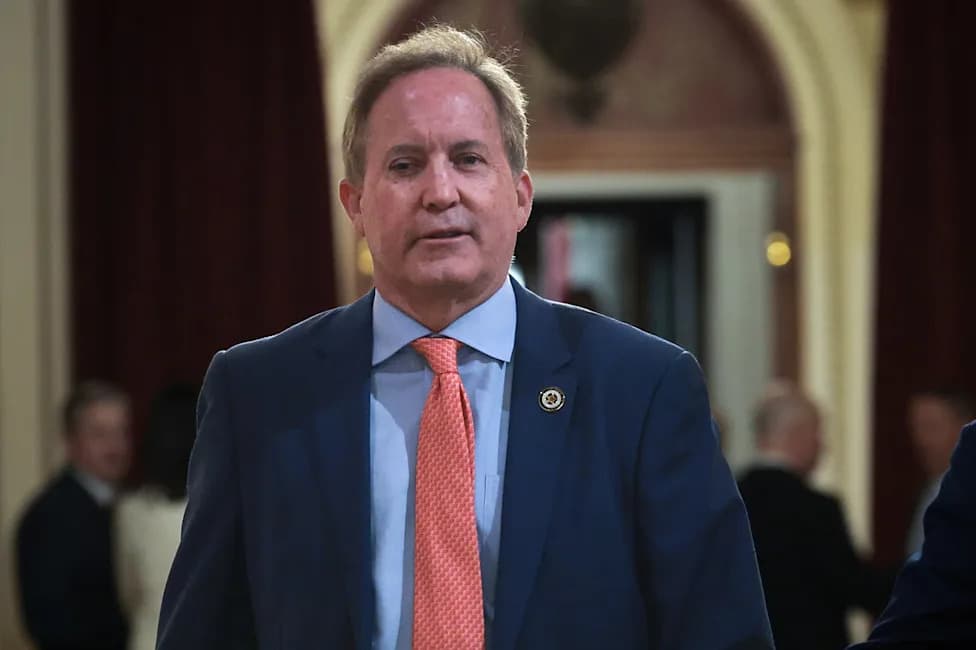
On Friday, as Paxton arrived at the Ronald Reagan Republican Center in Washington, D.C., reporters asked directly whether he had committed voter fraud. Rather than respond, Paxton hurried into the building without answering.
Earlier in the week he left a press conference after being pressed on the same subject, an exchange that prompted some commentators to dub him "No Comment Ken."
"This is at least the third time just this week he's literally run away from questions of this sort," journalist Aaron Rupar wrote on X.
In a separate encounter on Thursday, Paxton declined to say whether he would debate Democratic Texas Senate candidate James Talarico, who has publicly accused his opponent of voter fraud.
What the Report Alleges
The recent report alleges Paxton cast ballots in six elections while registered at an address where he did not reside. The report uses the term "alleges" to describe the claimed conduct; Paxton has not admitted wrongdoing and has not answered these specific questions from reporters.
Legal Stakes
Voting while registered at a nonresident address can be charged as a second-degree felony in Texas, a classification that carries potential penalties of up to $10,000 in fines and up to 20 years in prison if proven in court.
Paxton, a prominent ally of former President Donald Trump, has campaigned for tougher enforcement of voter-fraud laws. Critics say some of the policies he has supported could disproportionately affect Democratic-leaning communities and risk disenfranchising eligible voters.
As inquiries continue, Paxton’s office has not provided a detailed public response to the specific allegations described in the report. The situation remains under public scrutiny and may prompt further reporting or legal review.
Help us improve.