Healthcare outcomes vary dramatically worldwide and are not determined solely by wealth. Taiwan, South Korea and Australia lead recent rankings through efficient universal coverage and strong preventive care; Singapore, Japan and Switzerland also perform strongly through different policy models. By contrast, Syria, Venezuela, Bangladesh and Iraq face severe shortages or system collapse due to conflict, economic crisis and chronic underinvestment. The lesson: system design and stable funding are often more important than raw spending levels.
Top 6 Healthcare Systems in 2025 — And 4 Countries Where Care Has Collapsed

Healthcare quality varies widely around the world and does not simply track national wealth. Some countries deliver fast, affordable care on modest budgets through smart system design; others spend more yet struggle with long waits, shortages or the damage of conflict. Below we review six countries widely ranked among the best in recent indexes and four nations where health systems face extreme strain or collapse.

1. Taiwan (Image Credits: Unsplash)
1. Taiwan
Taiwan has repeatedly led global healthcare rankings. In the 2025 CEOWORLD Health Care Index it scored 78.72 overall, and a separate 2026 Numbeo index also ranked it at the top. Taiwan stands out for efficient design rather than lavish spending: it spends roughly $2,400 per person annually while achieving excellent access and outcomes. The country operates a single-payer National Health Insurance program that covers preventive care, primary and specialist visits, hospitalisation, mental health services and a wide range of prescription medicines.

2. South Korea (Image Credits: Unsplash)
2. South Korea
South Korea typically ranks just behind Taiwan and is known for rapid access and advanced medical technology. It scored 77.7 in the 2025 index. The National Health Insurance Service pools contributions from almost the entire population, delivering fast diagnostics, high patient satisfaction and strong preventive-care outcomes, including good survival rates for major diseases. Patients should note that some services may require additional private payments, so awareness of coverage details is important.

3. Australia (Image Credits: Unsplash)
3. Australia
Australia ranked third in the CEOWORLD index with a score of 74.11. Its Medicare system pairs universal public coverage with a substantial private insurance market, giving residents flexibility and choice. Australia benefits from high life expectancy, well-resourced hospitals in most urban areas, and strong preventive and chronic-disease programmes, although rural and remote regions still face resource constraints.

4. Singapore (Image Credits: Pexels)
4. Singapore
Singapore is frequently cited for an efficient, mixed model that combines mandatory savings accounts with government subsidies. Programs such as Medisave and MediShield Life require citizens to save for routine care while limiting out-of-pocket exposure for major illness. This structure keeps national spending relatively modest while delivering strong outcomes in cancer survival, maternal health and life expectancy; Singapore also attracts medical tourists seeking specialised procedures.

Japan Cherry Blossom Forecast 2026: Best Time & Places to See Sakura (Featured Image)
5. Japan
Japan pairs universal coverage with cutting-edge medical technology and long-standing investments in preventive screening and elderly care. These factors contribute to one of the highest life expectancies among major countries. All residents must hold health insurance and out-of-pocket costs are capped to prevent financial hardship. Japan faces a major demographic challenge: rapid population ageing is increasing pressure on pensions, care systems and public finances.

6. Switzerland (Image Credits: Pexels)
6. Switzerland
Switzerland’s model relies on mandatory private insurance: every resident purchases basic coverage from a private insurer, which maintains choice and competition while guaranteeing universal access. Swiss healthcare is notable for high quality, patient choice and rapid access to providers, but premiums and out-of-pocket costs are higher than in many neighbouring countries.

Syria (Image Credits: Unsplash)
Bottom Four: Syria, Venezuela, Bangladesh, Iraq
These countries illustrate how conflict, economic collapse and chronic underinvestment can devastate health systems.

Venezuela (Image Credits: Pexels)
Syria
Years of civil war have left Syria’s healthcare system in ruins. The country ranked at the bottom of many global indices with scores near the mid-30s. Large parts of the medical infrastructure have been destroyed or closed for lack of funds; in some regions only a small fraction of public hospitals remain fully functional. Widespread displacement, poor sanitation and shortages of medical supplies increase the risk of disease and deepen the humanitarian crisis.

Bangladesh (Image Credits: Pixabay)
Venezuela
Venezuela’s healthcare collapse is closely tied to the country’s broader economic crisis. Numbeo placed Venezuela near the bottom with a score of about 39.6. Chronic shortages of medicines and equipment, intermittent electricity and water in many hospitals, and the emigration of large numbers of trained medical staff have left services severely understaffed and unreliable.
Iraq (Image Credits: Pexels)
Bangladesh
Bangladesh ranks near the bottom on several indexes, with common problems stemming from shortages of medical staff and limited funding. The country has roughly 0.83 doctors per 1,000 people and a severe nursing deficit. A government commission recommended dedicating a substantially higher share of the national budget to health, but recent allocations have remained far below that target. Overburdened clinicians and brief consultations are symptomatic of the gap between demand and capacity.
Iraq
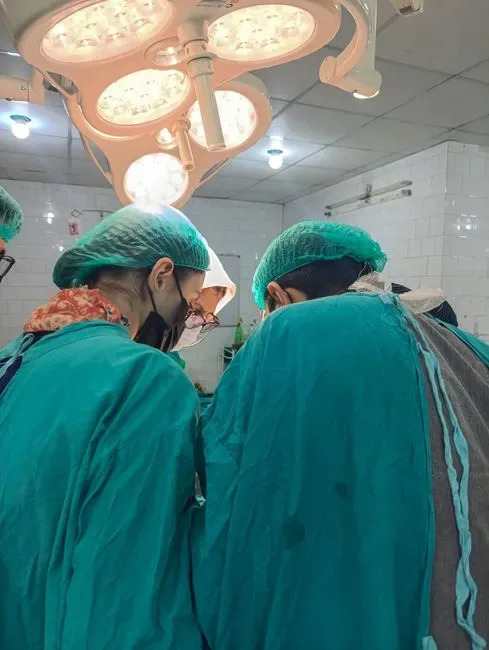
Iraq’s health system struggles with the legacy of conflict and years of underinvestment. The country has far fewer healthcare workers per population than WHO recommendations, leaving hospitals overstretched—especially outside major cities. Out-of-pocket payments represent a large share of total health spending, and insurance coverage remains limited. Rural areas are particularly underserved, although regions such as Kurdistan have modestly better access.
Key takeaway: The contrast between high-performing systems and collapsed ones shows that how a health system is organised and funded matters at least as much as how much a country spends per patient.
Help us improve.