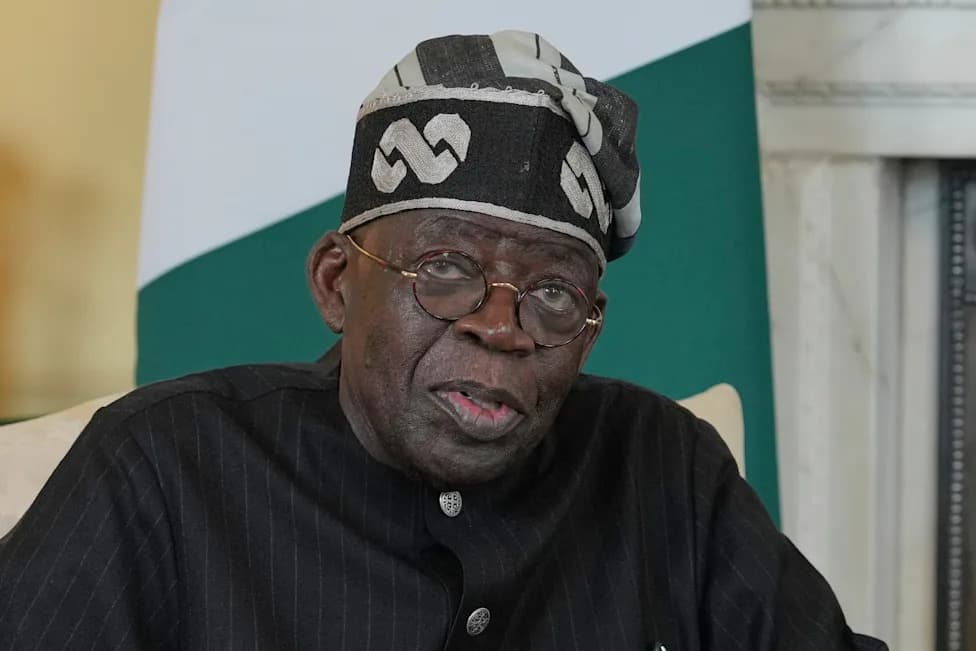
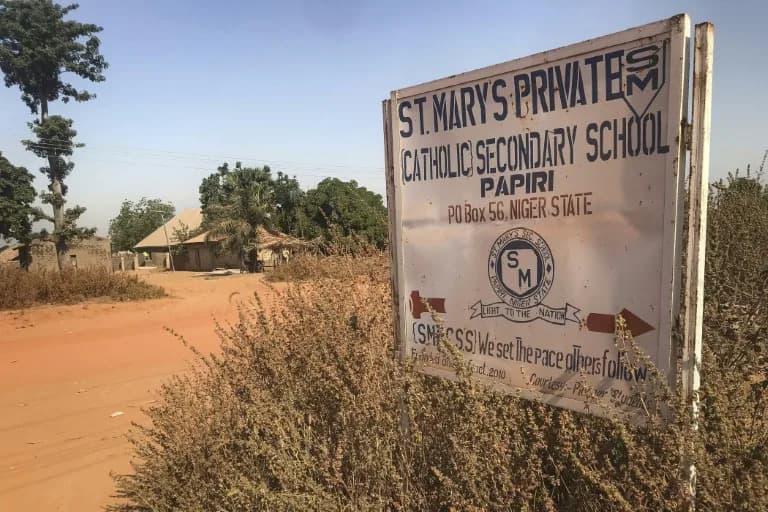
President Bola Tinubu has approved recruitment of 28,000 soldiers and the creation of four new army divisions — the largest recent expansion of Nigeria's military. The changes, plus three new regional headquarters, are intended to improve coordination, intelligence sharing and response times in regions plagued by jihadists, banditry and kidnappers. Recent incidents include the killing of at least 20 villagers in Zamfara and the abduction (and subsequent rescue) of 46 students in Borno; Tinubu also pledged 50,000 new police officers and a record 5.41 trillion naira defence allocation.
Nigeria Approves Major Military Expansion: 28,000 Recruits and Four New Army Divisions
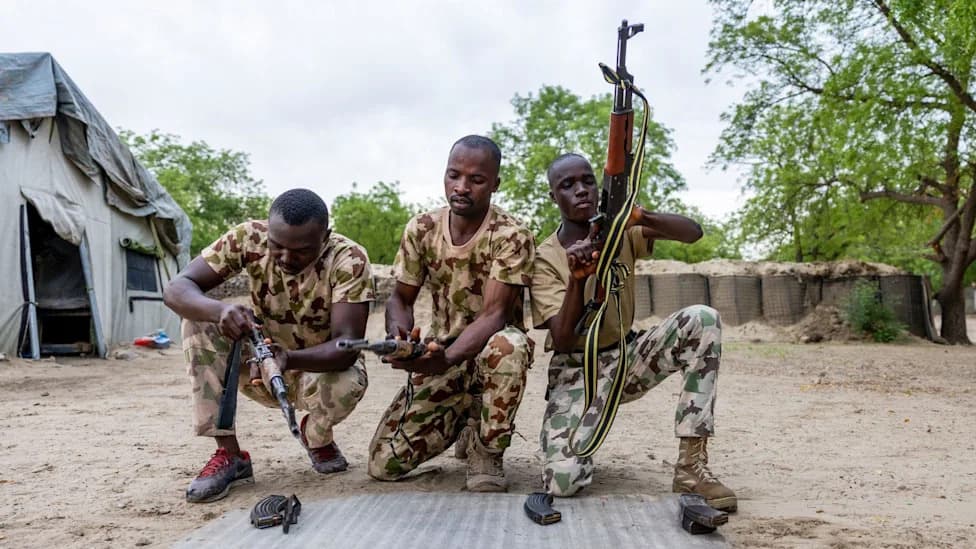
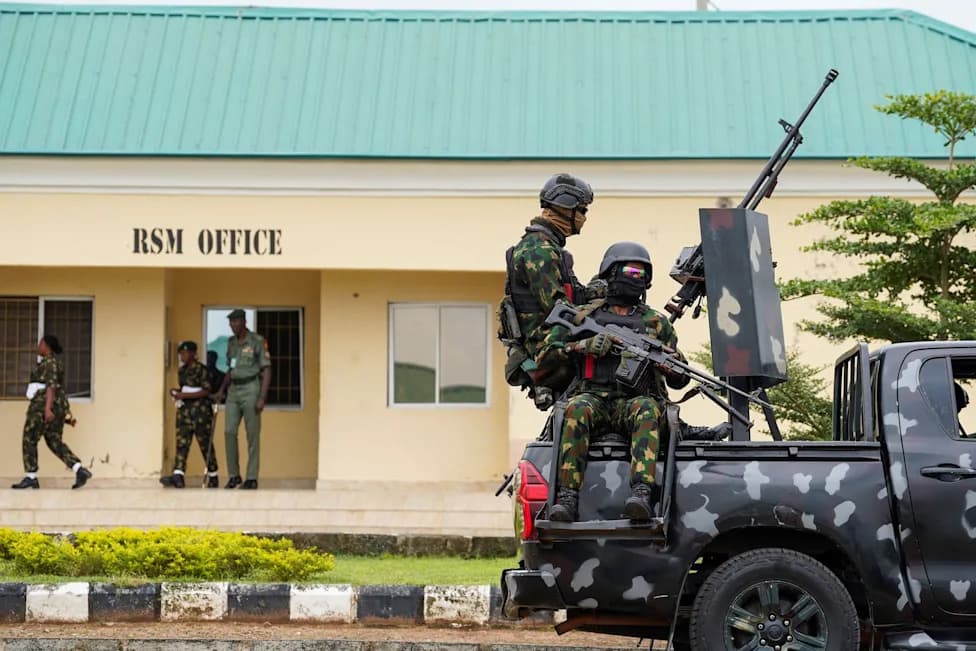
The new army divisions will lead to better co-ordination and faster response times, the government says [AFP via Getty Images]
Nigeria's president has approved the country's largest recent military expansion to confront a surge of violence from Islamist militants, separatists and kidnapping gangs. President Bola Tinubu has authorised the recruitment of 28,000 additional soldiers and the creation of four new army divisions, raising the total to 12 divisions nationwide.
What the expansion includes
New troops and formations: 28,000 new soldiers and four additional army divisions to improve operational coverage.
New command posts: Three new army headquarters will be established in the north-east and central regions, areas long affected by Islamist militancy, banditry and farmer–herder clashes.
Why the government says it is necessary
Officials say the changes will improve coordination between units, speed up intelligence sharing and reduce response times in regions where divisions currently cover vast territories spanning several states. Under the previous structure, stretched resources and long distances have hampered sustained operations against organised criminal networks and insurgents.

[BBC]
Recent violence and operations
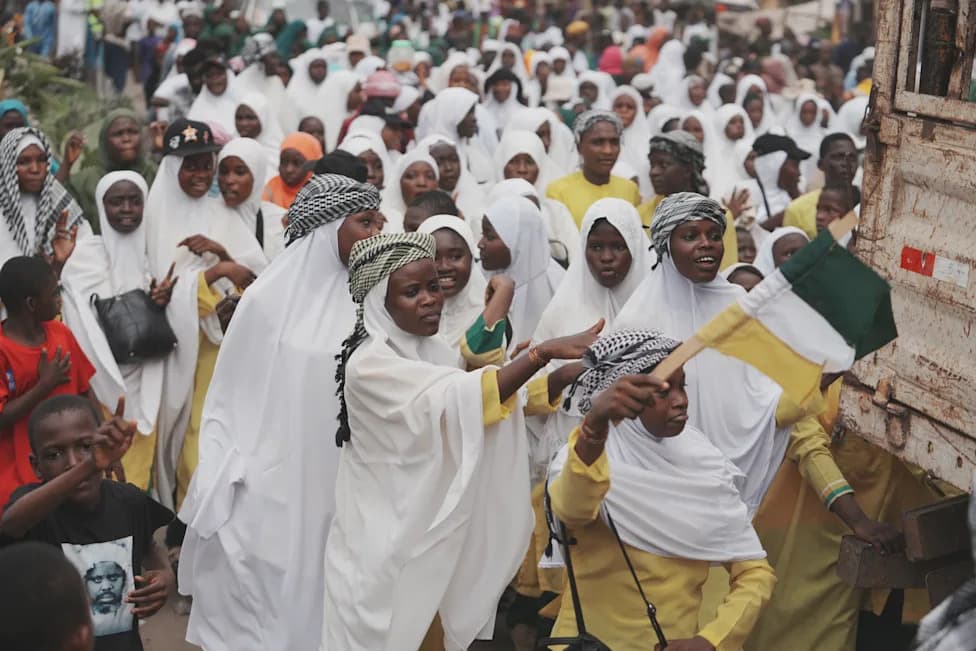
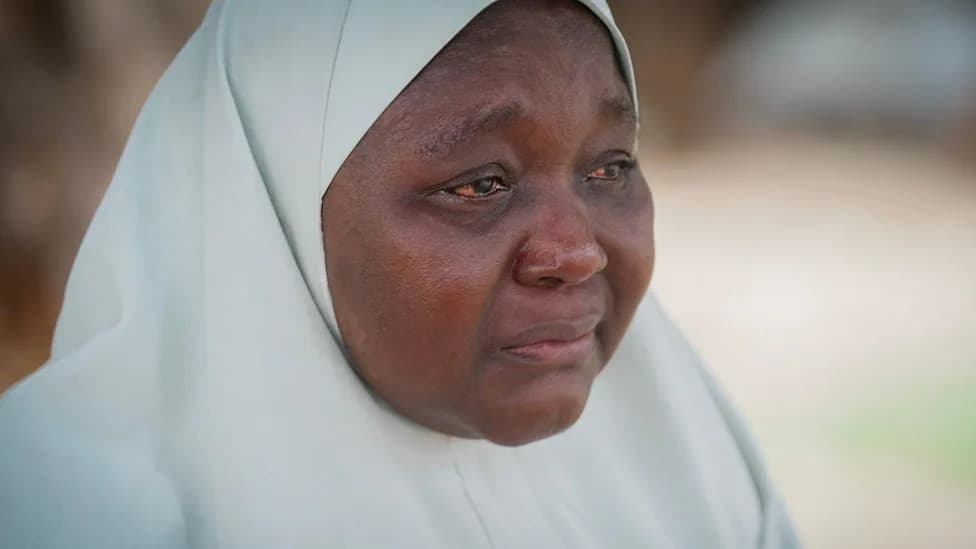
Violence remains widespread. In the past week an armed gang killed at least 20 villagers in Zamfara state (north‑west), and 46 students were abducted from a school in Borno state (north‑east) — the students were reportedly rescued by the army within hours. In May, coordinated attacks in Oyo state (south‑west) resulted in the abduction of 44 pupils and teachers, highlighting how insecurity has spread to southern parts of the country.
Last December, US and Nigerian forces conducted joint operations that included strikes on the Lakurawa group in the north‑west. Senior Islamic State-linked commander Abu-Bilal al‑Minuki was reported killed during a months‑long mission concentrated around the Lake Chad Basin. Analysts note that about 90% of IS-related attacks now occur in sub‑Saharan Africa, with Nigeria's IS branch among the most active.
Challenges ahead
Security experts caution that recruiting tens of thousands of new troops may be difficult, as many young Nigerians may be reluctant to join amid recent battlefield losses. President Tinubu has urged armed groups to "surrender or face the full force" of the state and reiterated commitments to boost internal security: he also pledged more than 50,000 new police officers and allocated a record 5.41 trillion naira (roughly $4bn) for defence and security in the annual budget.
Government officials say the expanded footprint — new divisions, headquarters and recruits — aims to restore security by reducing response times and extending operational reach across the country’s most troubled regions.
While the expansion signals a significant escalation in Nigeria's security strategy, experts say success will depend on effective command-and-control integration, sustainable funding, recruitment and retention, and complementary political and community measures to address underlying drivers of violence.
Help us improve.