Iryna Terekh, 34, is the architect-turned-CEO of Fire Point, a key supplier of long-range strike drones for Ukraine. The FP-1 began as a napkin sketch in late 2022; prototypes and early production were completed rapidly in 2023. Fire Point now produces thousands of drones monthly but has faced scrutiny over procurement and compliance, which it says are now resolved. Terekh calls for transparency and aims to help build an international ballistic missile defence coalition to reduce political vulnerabilities in air defence.
Iryna Terekh: From Architect To The Executive Behind Ukraine’s Long-Range Strike Drones

Iryna Terekh heads Fire Point, a company that has become one of the driving forces behind Ukraine's long-range strike capabilities in the war with Russia (HENRY NICHOLLS)
Iryna Terekh, 34, trained as an architect, now heads Fire Point, a company that has become a major supplier of long-range strike drones used by Ukraine in the conflict with Russia. She represents the company at international defence shows, negotiates with manufacturers and takes part in discussions about Europe’s rearmament.
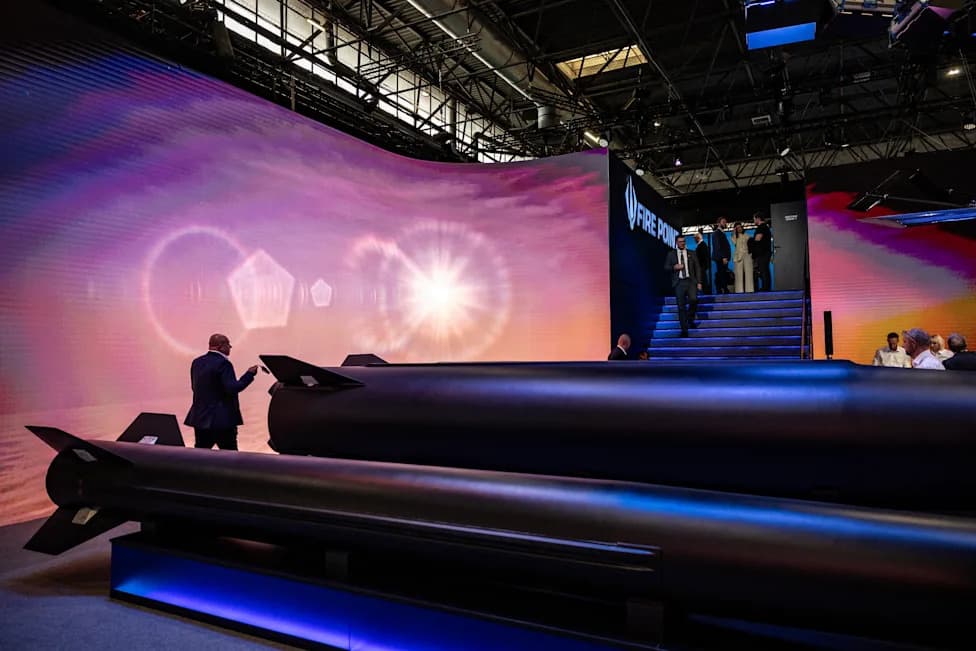
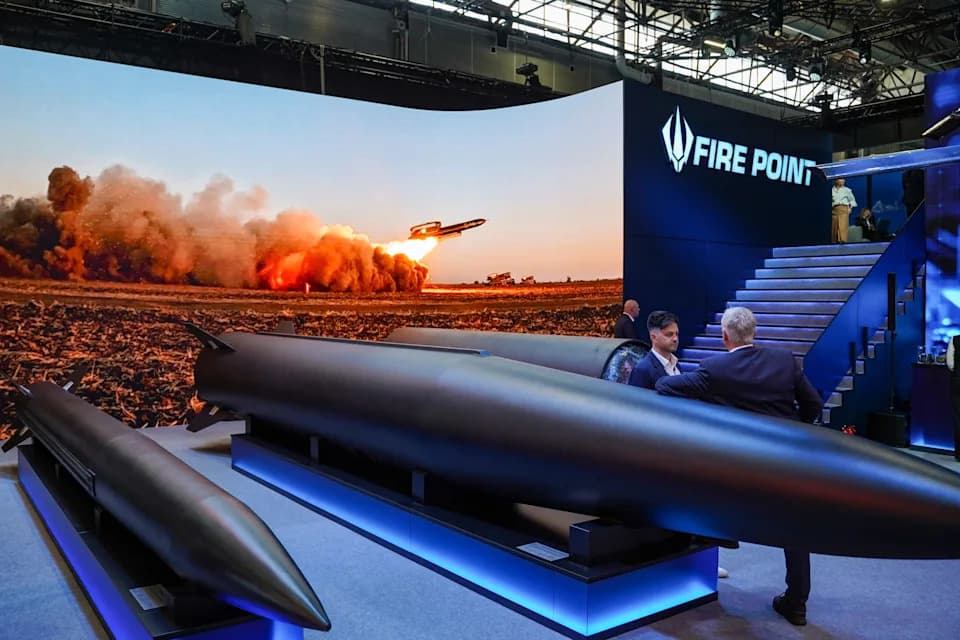
Terekh met AFP during the Farnborough International Airshow in Mayfair, London. Dressed casually compared with many industry delegates, she has become a public face for a firm that attracted attention at Eurosatory in France when it screened footage of an oil refinery near Moscow burning after being struck by one of its drones.
Fire Point ultimately chose not to exhibit in Britain. Terekh says the company prefers to stage its next public appearance with greater impact, and that the pause reflects an intention to present stronger, more refined demonstrations.
From Napkin Sketch To Mass Production
Terekh grew up in Kharkiv and now lives in Kyiv. Though trained in architecture, she ran construction businesses before joining Fire Point at the invitation of friend and founder Denys Shtilerman after Russia launched its full-scale invasion in 2022.
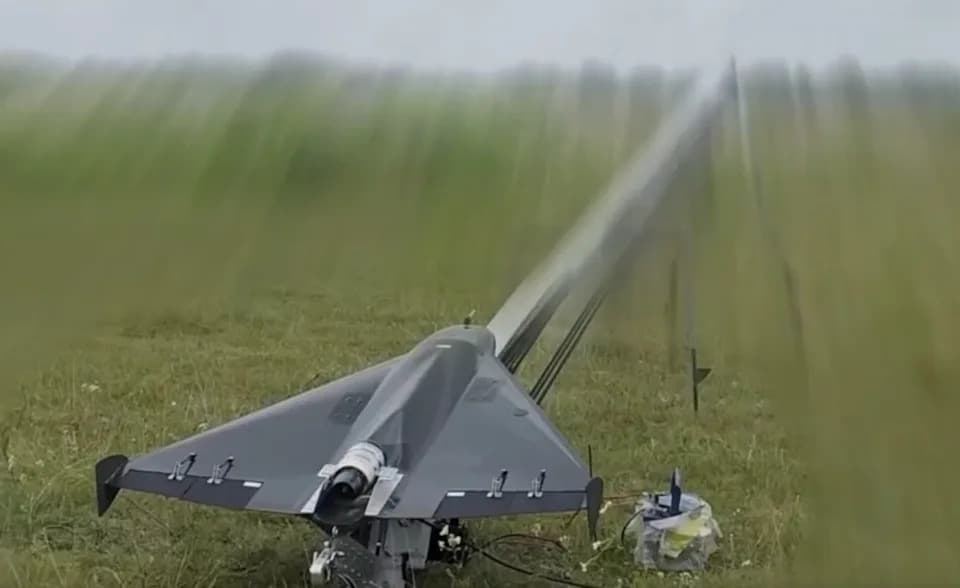
According to Terekh, the FP-1 drone concept was sketched on a napkin in late 2022. A prototype was assembled in a garage in early 2023 and seven aircraft were then built in three weeks. "We slept three hours a night and worked in shifts," she recalled, describing the intense early effort.
She defends the project against accusations of amateurism, saying Fire Point is proud of its grassroots origins and that the Ukrainian armed forces often require simple, robust, easily reproducible solutions.
Growth, Scrutiny And Transparency
Western defence experts and industry figures cite Fire Point as a significant contributor to Ukraine's long-range strikes. Terekh declines to disclose company revenues but says production now runs into thousands of drones per month, and that previously reported figures have increased.
The firm has faced allegations of receiving preferential state treatment and has been scrutinised over public contracts. Terekh acknowledges that these accusations delayed some international partnerships by several months while extra compliance checks were carried out, and she says those reviews are now complete. She emphasises that Fire Point welcomes audits, oversight and transparency.
Looking Ahead
Terekh outlines a broader strategic ambition: to help build an international ballistic missile defence coalition that would reduce the risk of political decisions disabling air-defence systems. She warns against scenarios where systems can be remotely deactivated for political reasons and says she wants Fire Point to play a central role in a more resilient, cooperative defence architecture.
Fire Point's trajectory — from a sketch on a napkin to a company producing thousands of drones monthly — reflects both rapid wartime improvisation and the controversies that can accompany rapid growth in a conflict economy.
Help us improve.