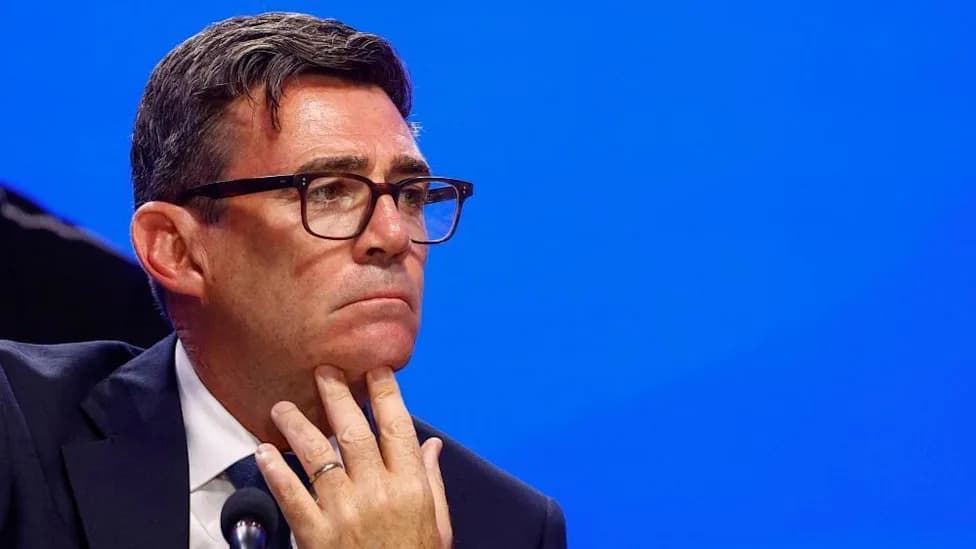
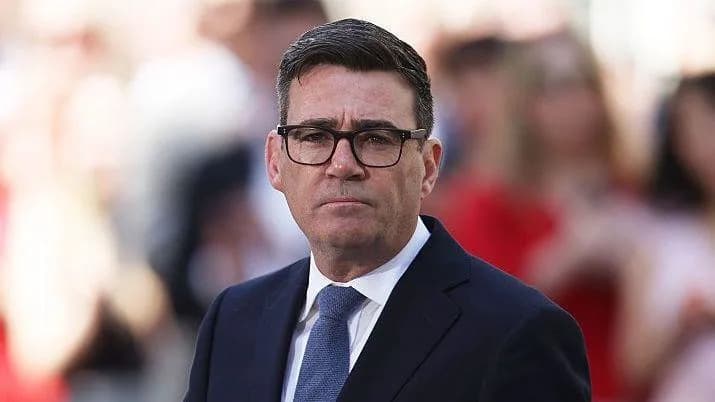
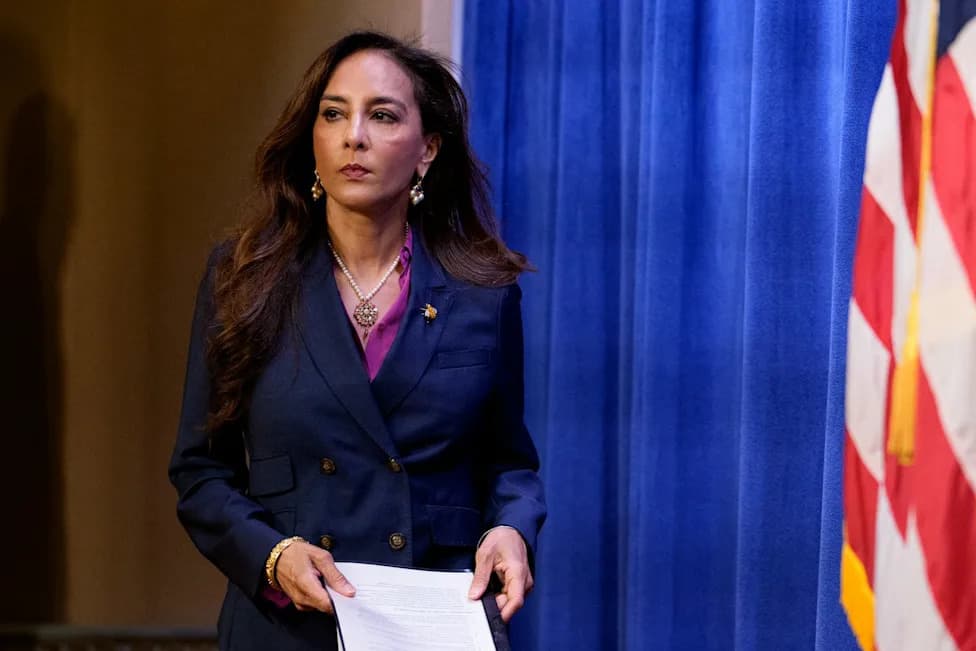
Andy Burnham promised a fresh start but his initial cabinet picks have prompted accusations that the old Labour establishment has simply been reassembled. Several second-generation politicians and close-knit political partnerships have been promoted, while some expected contenders were passed over. Critics warn the overlap between family ties, party operatives and consultancies risks blurring the line between public duty and private interest.
Burnham’s Cabinet: How Labour’s Family Network Reassembled in No.10
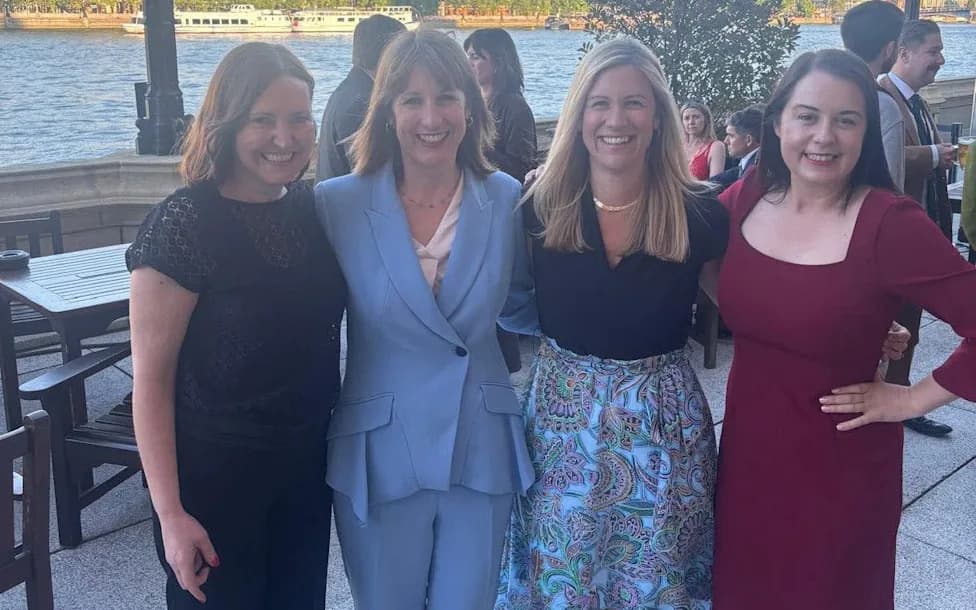
Ellie Reeves (second right) on the House of Commons terrace last year with her bridesmaids: sister Rachel Reeves, Stephanie Peacock (right) and Vicky Foxcroft (left)
Andy Burnham entered Downing Street promising a break from the centralised, managerial style that long defined Westminster politics. He cast himself as a change candidate — the “circuit breaker” — and vowed to overhaul the old machinery that critics say left Whitehall ossified.
But his first ministerial appointments have prompted a wave of criticism that, rather than signalling renewal, the new administration has largely reconstituted the familiar networks that long shaped Labour’s senior ranks. Instead of a wholesale reset, the opening gambit resembles a reunion of the party establishment: political families, close-knit alliances and long-standing factional gatekeepers returning to influence.
Close Networks And Fast-Tracked Appointments
Observers point to a pattern of appointments that elevate second-generation politicians and people with close ties to party insiders. Stephen Kinnock — the son of former Labour leader Neil Kinnock and Glenys Kinnock — has been named Secretary of State for Wales. Hamish Falconer, the son of former lord chancellor Charlie Falconer, has been promoted within the Foreign Office despite limited parliamentary experience. Anneliese Midgley, elected just two years ago, has been fast-tracked into a senior role following Jonathan Reynolds’s move to the business brief.
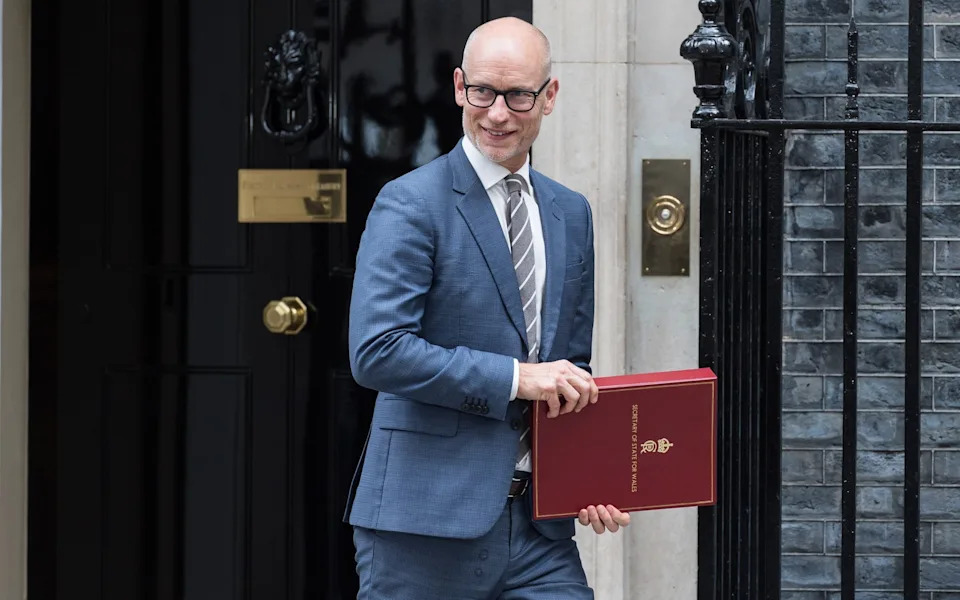
Stephen Kinnock, son of former Labour leader Neil, leaves a meeting of Burnham's new Cabinet - Wiktor Szymanowicz/Future Publishing
Critics argue these moves send a message to backbenchers: proximity to the network matters as much as, or more than, technocratic competence. Some MPs widely viewed as contenders for major portfolios — such as Dr Rosena Allin-Khan for Health — were bypassed, heightening frustration within the Parliamentary Labour Party.
Power Couples, Dynasties And The Revolving Door
Beyond family names, Burnham’s front bench includes numerous political partnerships that tie ministers to party staffers, lobbyists and strategists. Yvette Cooper stays on as Health Secretary while her husband, former chancellor Ed Balls, remains a prominent political commentator. Ellie Reeves, now Attorney General, is married to John Cryer — a figure with deep parliamentary ties. Jonathan Reynolds returns as Business Secretary while his wife Claire holds a senior party role. Alex Norris, the new Justice Secretary, is married to MP Emma Foody.
These domestic and professional overlaps raise questions about concentration of influence: when campaign strategists, party administrators, ministers and lobbyists frequently intersect, the boundary between public duty and private interest can appear blurred.
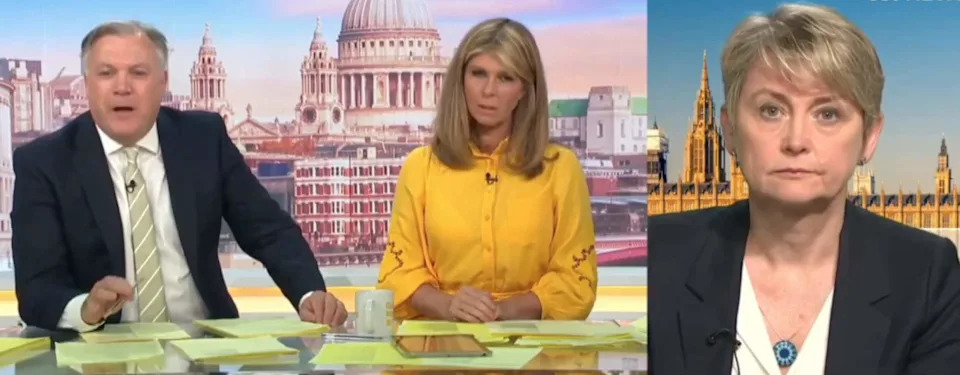
Ed Balls grills his wife Yvette Cooper on Good Morning Britain
Think Tanks, Transition Teams And Consultancy Access
Groups involved in candidate development and transition planning also feature in the narrative. Organisations such as Labour Together (now rebranded as ThinkLabour) and transition teams played roles in advancing several appointments. Alison Phillips, ThinkLabour’s CEO and Burnham’s transition director, remains involved in shaping the administration’s move into Number 10.
Meanwhile, the interplay between consultancies and government persists. Labour’s general secretary, Hollie Ridley, is married to a former Labour director who now runs a government-relations firm. Consultancy firms and strategy groups retain avenues for access to ministers, and incidents such as an Arden Strategies sponsorship controversy earlier in the year underscore concerns about influence and privileged access.
What This Means For Labour’s Credibility
The central tension is political and ethical: a party that positions itself as a voice for working people faces credibility risks when its leading team is shaped by family ties, close partnerships and established networks. For supporters who expected a sharp departure from the past, the new appointments may feel like a reshuffle of the same hierarchy rather than a genuine renewal.
Burnham’s promise: to dismantle centralised Whitehall structures and present an alternative leadership model. The result so far: a front bench that many see as reinforcing familiar power structures.
Whether this configuration will deliver the fresh approach Burnham promised remains to be seen. For now, the optics and the grievances within the Parliamentary Labour Party suggest the new government will face early tests on meritocracy, transparency and public trust.
Help us improve.