The discovery of a Florida bonneted bat pup in Jupiter Farms marks a significant conservation moment for Palm Beach County. The endangered pup, estimated at 4–5 weeks old, is receiving specialized care at Busch Wildlife Sanctuary with the goal of release. With fewer than 1,000 individuals remaining and captive-rearing rarely successful, this rescue could add valuable data about the species’ range, reproduction, and threats such as storms and pesticide exposure.
Rare Florida Bonneted Bat Pup Found in Palm Beach County Offers New Hope for Conservation
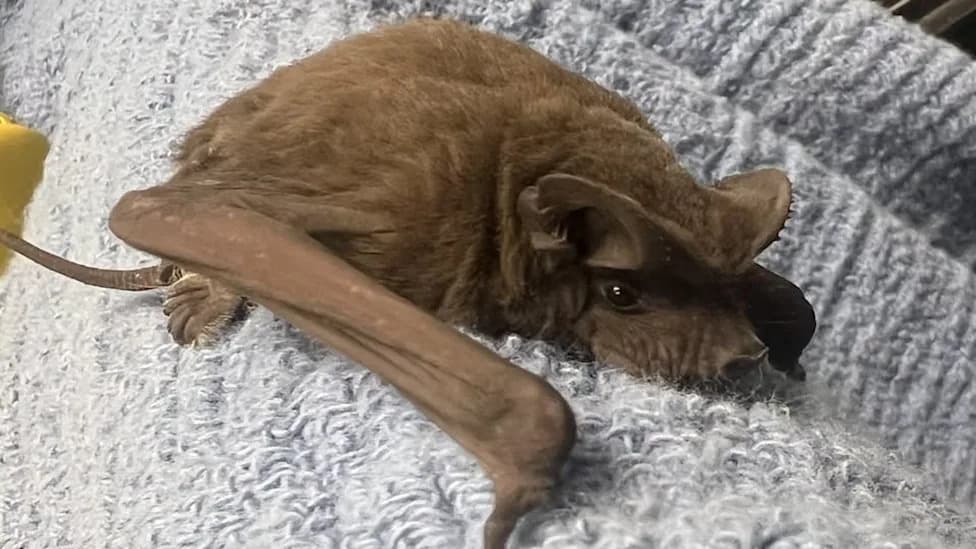
Photo Credit: Busch Wildlife Sanctuary
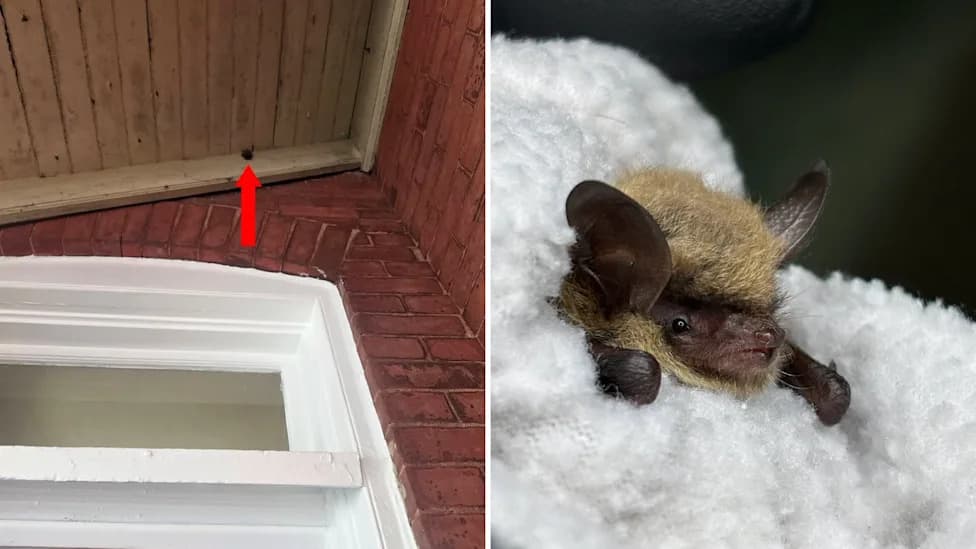
A tiny, endangered Florida bonneted bat pup rescued in Jupiter Farms is more than just a local wildlife success story — it could expand scientific knowledge about one of North America’s rarest mammals.
The juvenile was transported to Busch Wildlife Sanctuary, where the sanctuary’s veterinary team estimates it to be about 4–5 weeks old. Staff are providing specialized care with the ultimate goal of returning the pup to the wild once it is strong and independent enough.
Why This Discovery Matters
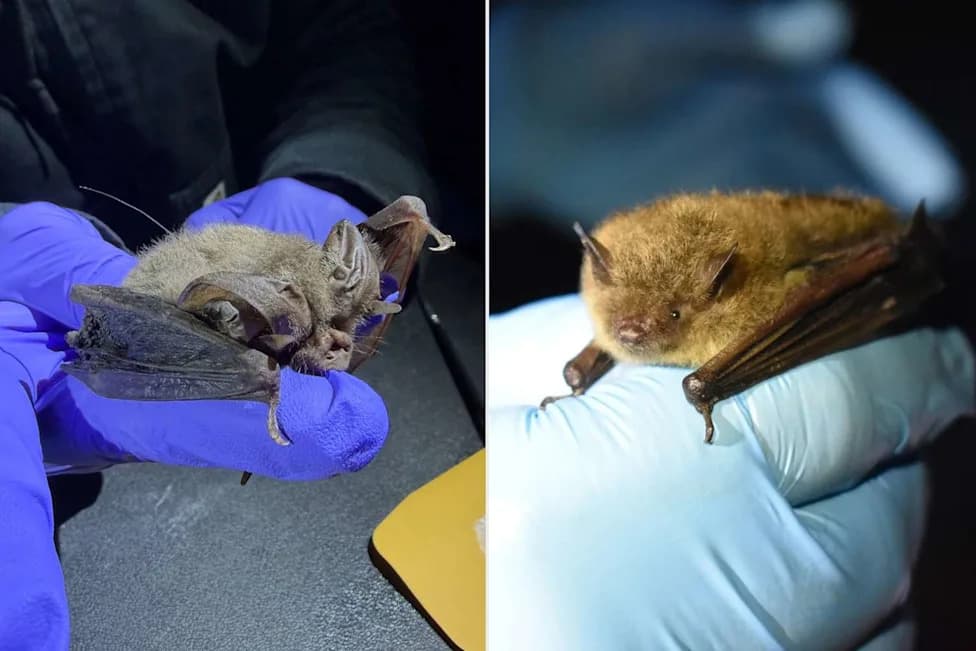
The Florida bonneted bat is federally listed as endangered, and experts estimate that fewer than 1,000 individuals remain in the wild. Successful captive rearing of this species is extremely rare, so every rescue and recovery offers valuable data on behavior, reproduction, health, and threats.
"The bat's very large ears circle the top of his head, giving him a bonneted appearance," said Heather Johnston, Chief of Veterinary Medicine and Conservation at Busch Wildlife Sanctuary.
Johnston noted that this find could represent the northernmost documented reproducing population of the species in Palm Beach County — a potentially important range record that may influence future conservation planning.
Biology and Threats
Florida bonneted bats typically live in relatively small groups and have a slow reproductive rate, traits that make population recovery difficult after declines. They also face external pressures such as hurricanes, pesticide exposure, habitat loss, and other human-related threats.
Beyond their intrinsic value, these bats provide important ecosystem services — notably insect control — and protecting them helps preserve Florida’s natural heritage and local habitat resilience.
Care and Conservation Efforts
At Busch Wildlife Sanctuary, veterinarians are delivering targeted care aimed at rehabilitation and release. Captive-rearing successes are uncommon; about a decade ago, Zoo Miami managed a successful rearing and weaning, a result still considered a milestone for the species.
With limited opportunities to observe Florida bonneted bats up close, each rescue and documented encounter contributes to a better understanding of their needs and vulnerabilities, informing conservation actions statewide.
Next Steps: Sanctuary staff will continue treatment and monitoring, working with conservation partners and researchers to determine the best timing and location for a potential release if the pup makes a full recovery.
Help us improve.