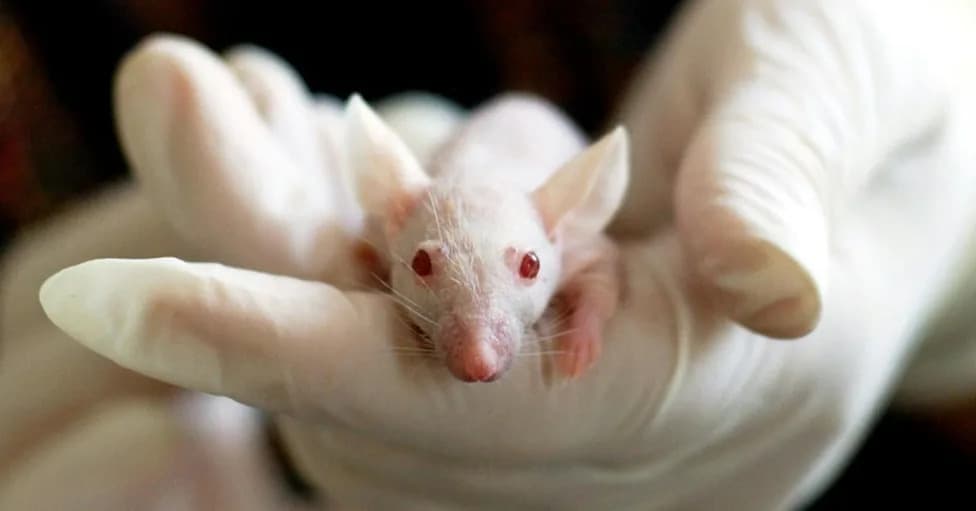
Belgian doctors report in a preprint that thawed, autologous testicular tissue banked in 2008 and grafted into a patient’s scrotum in December 2024 produced sperm when retrieved a year later. This is the first documented human case of transplanted testicular tissue showing spermatogenesis. Experts call the result promising but preliminary: only a few sperm with some morphological abnormalities were recovered, and the grafts are not connected to ejaculatory ducts, so sperm would need to be retrieved and used with IVF or ICSI.
First Documented Human Transplant of Frozen Testicular Tissue Produced Sperm
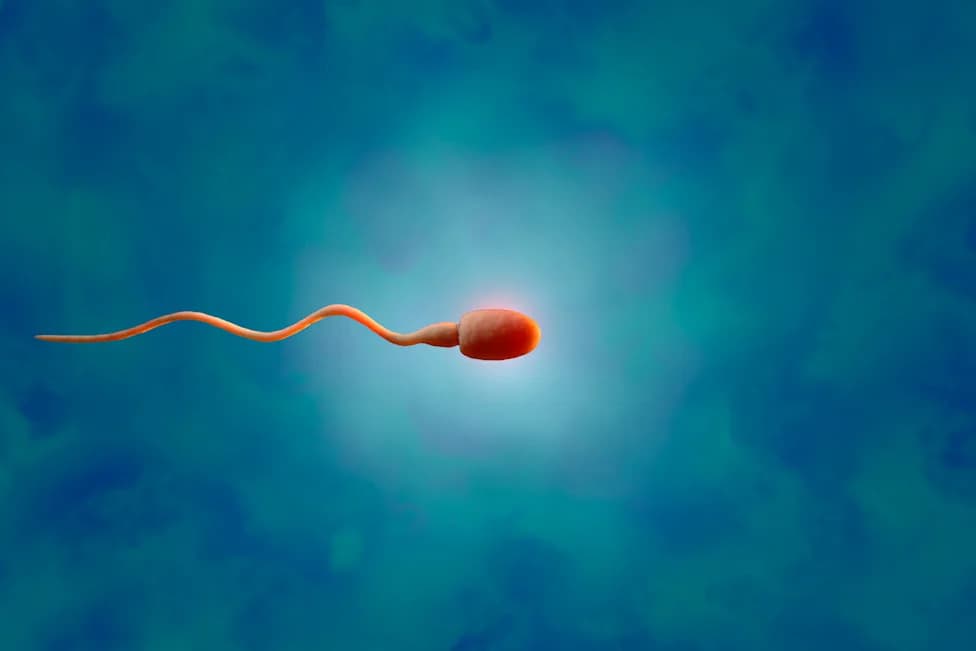
Tansplanted testicular tissue grew sperm in an infertile patient
Belgian clinicians report the first documented case of transplanted, autologous testicular tissue producing sperm in a human. The finding, described in a preprint that has not yet been peer reviewed, offers a potential new option for preserving fertility in men who face treatments that risk sterility.
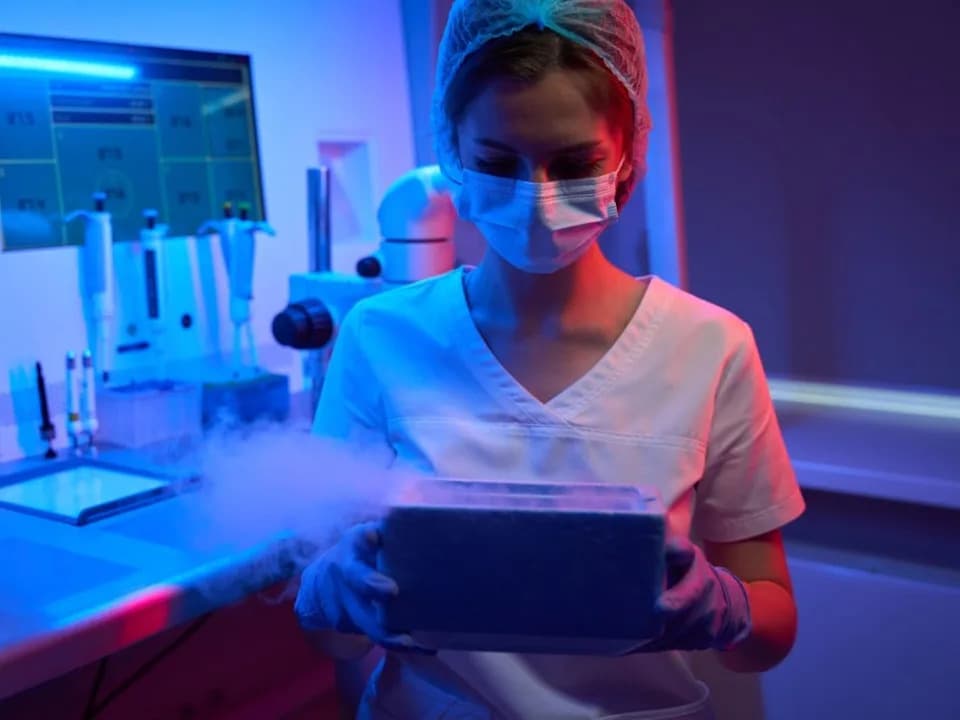
The case traces back to a fertility-preservation program begun by a Belgian team in 2002. Young patients at high risk of losing fertility had one testicle removed, divided into small fragments, and cryopreserved. In 2008 one patient’s tissue was banked. After years of refining surgical and laboratory techniques in animal models, the patient — who has sickle cell disease — requested reimplantation when he wished to start a family.
Procedure and Findings
In December 2024 surgeons thawed 11 of the frozen fragments and grafted them into eight sites in the patient’s scrotum. When the team retrieved the grafts one year later, they observed spermatogenesis: the grafted tissue had begun producing sperm cells.
“We take tissue from a boy and graft it back to the same individual so there is no problem of rejection,” said Herman Tournaye, a co-author and obstetrician-gynecologist at Vrije University of Brussels.
Why This Matters
Although transplanted testicular tissue has produced sperm in animals for decades — and in some mouse studies resulted in offspring — this case appears to be the first documented instance in a human. The result demonstrates that autologous (self-to-self) testicular grafts can resume spermatogenesis after long-term cryopreservation.
Limitations and Practical Considerations
- Only a small number of sperm were recovered, and external experts noted abnormalities in sperm morphology that could reduce fertilization success.
- The graft sites do not connect to normal ejaculatory ducts. Therefore, any sperm produced would need to be retrieved by biopsy and used in assisted reproduction techniques such as in vitro fertilization (IVF) or intracytoplasmic sperm injection (ICSI).
- This single case is reported in a preprint and has not yet undergone peer review; outcomes may vary across patients and conditions.
Safety and Future Directions
The patient was selected in part because sickle cell disease does not pose the same risk of reintroducing malignant cells as some cancers (for example, leukemia). The research team is exploring screening techniques to check small frozen tissue samples for malignant contamination, which would be essential before applying this approach to many cancer survivors.
Outlook: The finding is an important proof of principle. If replicated and refined, the technique could expand fertility-preservation options for boys and men facing sterilizing treatments. However, significant technical, safety, and clinical validation steps remain before it becomes a routine clinical option.
Help us improve.