Christina Rapti-Tzelepi, 54, delivered a healthy baby girl after IVF with an embryo frozen on March 17, 2004. The treatment, carried out in December 2025, occurred at the maximum permitted age for IVF in Greece and followed the October 2025 death of the couple's 21-year-old son, who was born from the same embryo batch. The family has nine additional frozen embryos but cannot pursue further treatment under current law, prompting calls to reconsider the national age limit. The case joins several recent long-term cryopreservation births and raises questions about access to fertility care and legal limits.
54-Year-Old in Greece Delivers Baby Girl From Embryo Frozen 22 Years Ago — Sparks Debate Over IVF Age Limits
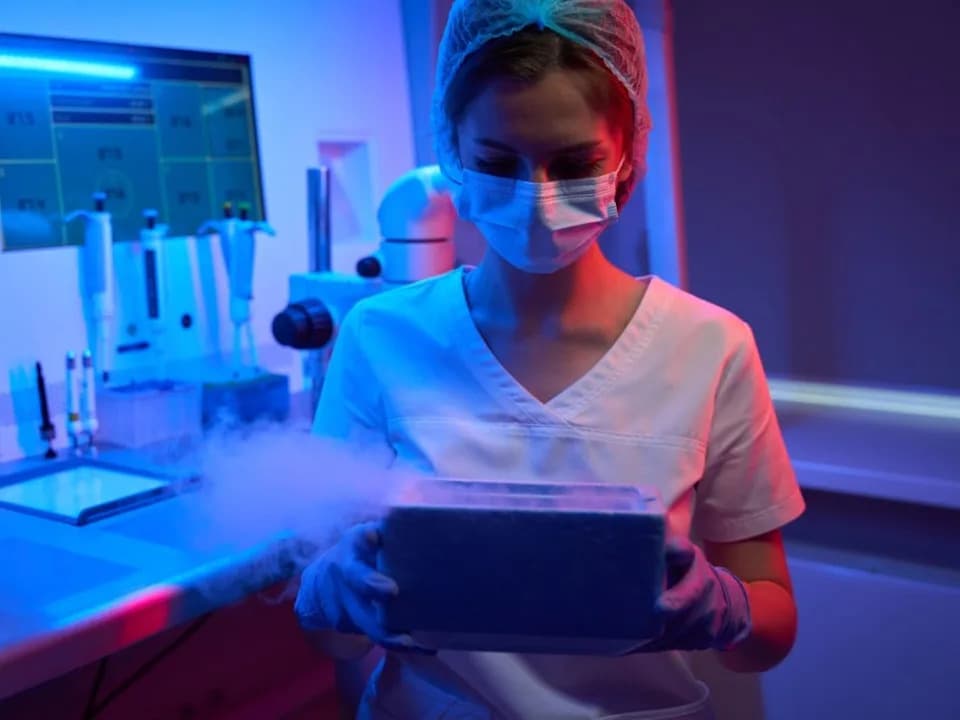
An embryologist holds a tank with liquid nitrogen in her hands for cryopreservation of embryos.
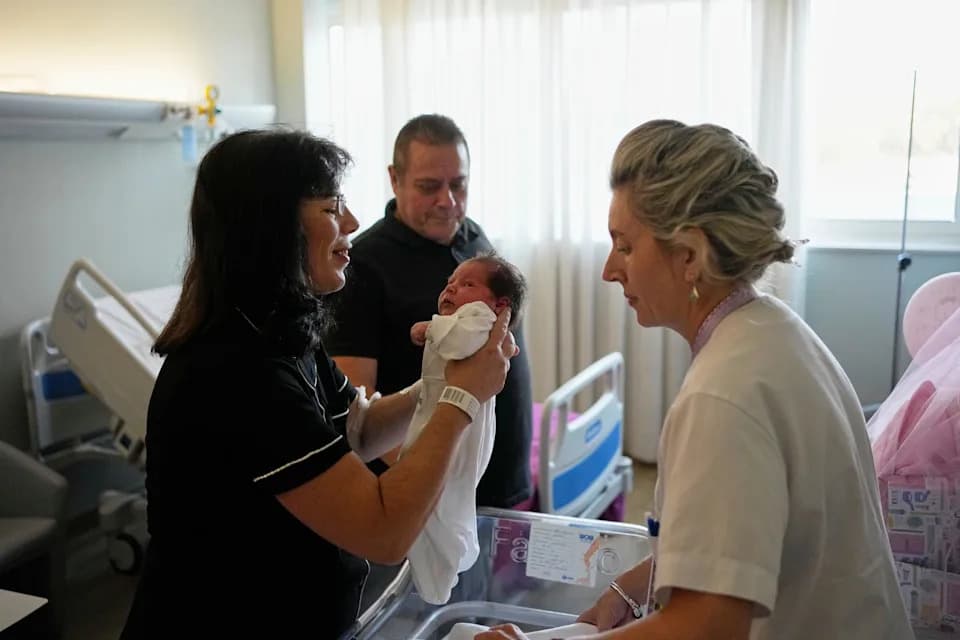
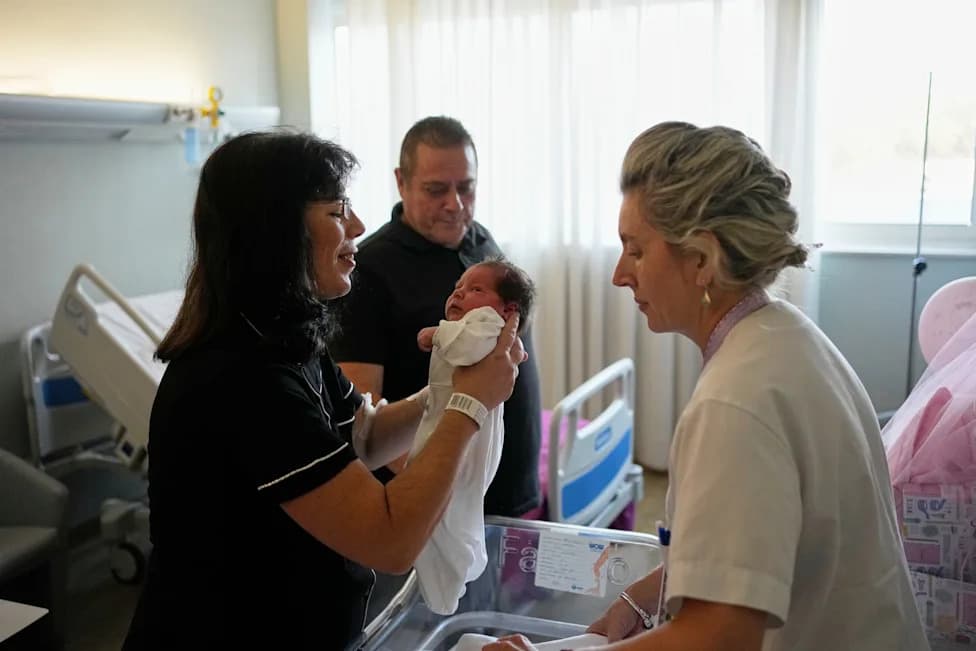
A 54-year-old Greek woman, Christina Rapti-Tzelepi, has given birth to a healthy baby girl after undergoing in vitro fertilization (IVF) with an embryo cryopreserved on March 17, 2004, the Genesis Athens Clinic said in an Instagram post. The IVF treatment was performed in December 2025, when Rapti-Tzelepi was at the maximum age permitted for IVF under Greek law.
The pregnancy followed a family tragedy: the couple's 21-year-old son — who was born from the same batch of frozen embryos — died in a car accident in October 2025, local news outlets reported. The family decided to return to the embryos they had preserved two decades earlier as they coped with the loss.
'In 2025 our lives changed forever. The loss of our 21-year-old child left a void that no words can describe. Our house was filled with silence and time seemed to have stopped,' wrote Konstantinos Raptis, Rapti-Tzelepi's husband, in a letter published by local media. 'Twenty-two years later, we went back to the beginning, this time with all the weight of loss, but also with a small, persistent hope.'
Raptis also said the family felt they were in a 'race against time' because of the legal age limit for IVF in Greece. The couple reportedly has nine additional embryos frozen from 2004 but cannot use them under current legislation. Raptis has called for the national age limit to be reconsidered, arguing that older parents can offer stability and mature, unconditional love.
Konstantinos Pantos, Rapti-Tzelepi’s gynecologist and Secretary General of the Greek Society of Reproductive Medicine, described the birth as 'a particularly important clinical and scientific development' and called the story 'one of endurance, love and hope.' He emphasized that 'medicine must function with rules and safety, but also with humanity.'
The case adds to a series of recent long-term embryo cryopreservation successes. In July 2025, a couple in Ohio welcomed a son from an embryo frozen about 31 years earlier. Previously, twins born in Oregon in 2022 came from embryos frozen about 30 years earlier, and Molly Gibson — born in 2020 — came from an embryo frozen for nearly 27 years.
Genesis Athens Clinic said the embryo used in Rapti-Tzelepi's treatment had been frozen on March 17, 2004. Newsweek and other outlets have contacted the clinic and Dr. Pantos for comment.
This birth highlights advances in reproductive medicine, the increasing role of long-term embryo storage, and the ethical and legal questions surrounding age limits and access to fertility treatments. The family's experience is likely to rekindle public and legislative debate about how best to balance safety, fairness and personal choice in assisted reproduction.
Help us improve.