Three men were sentenced to life in prison in Abuja after admitting they concealed information and belonged to an affiliate of Boko Haram linked to mass kidnappings in Oyo state. The convictions follow the rescue of 44 pupils and teachers abducted from three schools in Oriire in May, who spent 56 days in captivity. Two teachers were killed during the abductions, and authorities say further arrests — including a suspected kingpin — were made after the July rescue. The case highlights rising kidnappings and wider security challenges ahead of Nigeria's 2027 elections.
Three Men Sentenced to Life Over Oyo School Kidnappings After 56-Day Ordeal

The three men admitted to concealing information about those behind the Oyo state school attacks [Chukwunaeme Obiejesi]
Three men have been sentenced to life imprisonment in Nigeria after pleading guilty to offences connected to the abduction of dozens of pupils and teachers in Oyo state.
The High Court in Abuja handed down the sentences after the accused — Abdulrazak Umar (also known as Abu Khalifa or Abu Khalid), Yunusa Musa and Shamsu Adamu Sani — admitted concealing information about the kidnappings and acknowledged membership of an affiliate of the Islamist militant group Boko Haram. Prosecutors said Umar also confessed to training and directing militants via a WhatsApp group and to involvement in illegal mining.
The convictions follow a military operation announced in July that rescued 44 pupils and teachers taken during coordinated attacks on three schools in Oriire district in May. Survivors spent 56 days in captivity, often moved at night and exposed to harsh conditions in the bush.

[BBC]
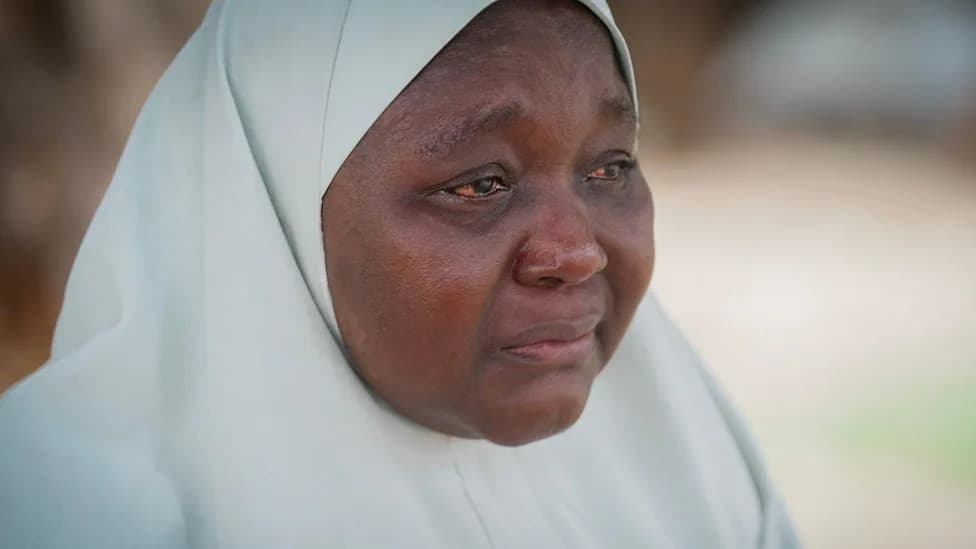
Rachael Folawe Alamu, headteacher at Oriire Community Grammar School, described the ordeal she, staff and pupils endured: they were frequently moved by the kidnappers, often walking for hours and spending long periods exposed to sun and rain. She said two male teachers were killed during captivity — one shortly after the initial abduction and another in June.
Authorities said further arrests were made after the rescue, including the seizure of a person believed to be a key kidnapping kingpin. The Oriire abductions alarmed many because jihadist violence in Nigeria has historically been concentrated in the north-east, whereas these attacks occurred in the south-western state of Oyo.
Wider Context
Mass abductions for ransom and attacks on soft targets such as schools, churches and remote villages have risen across Nigeria in recent years. Kidnap gangs, jihadist groups and separatist fighters have contributed to a complex security crisis that remains a major political issue ahead of the 2027 elections.
The convictions and ongoing arrests underscore continued efforts by security forces to dismantle networks targeting civilians, while raising urgent questions about school protection and community safety across the country.
Help us improve.