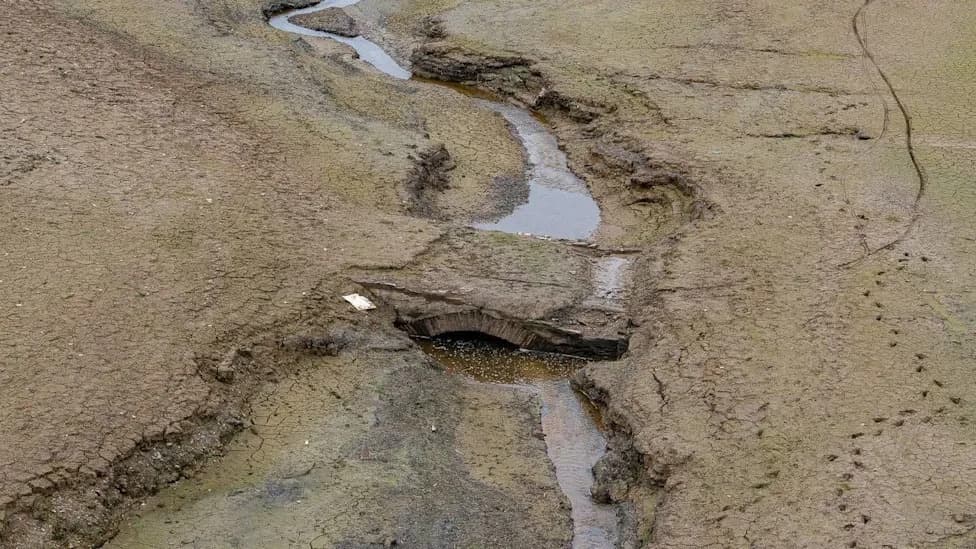
The Environment Agency says the Shropshire Groundwater Scheme is now being used routinely to maintain River Severn flows during hot spells, releasing about 200 million litres daily and able to deliver up to 240 million litres at full capacity. Only 13% of English rivers are at normal levels, prompting fish rescues on the River Teme and concern for freshwater wildlife. Severn Trent hit record demand but has not imposed a hosepipe ban; the EA urges water-saving and will continue to monitor groundwater. The Met Office found 2025 to be the warmest year on record in the Central England Temperature series, with the Midlands about 1°C warmer than the 1991–2020 average.
Groundwater Scheme Now Used Routinely To Maintain River Severn As Drought Risk Rises
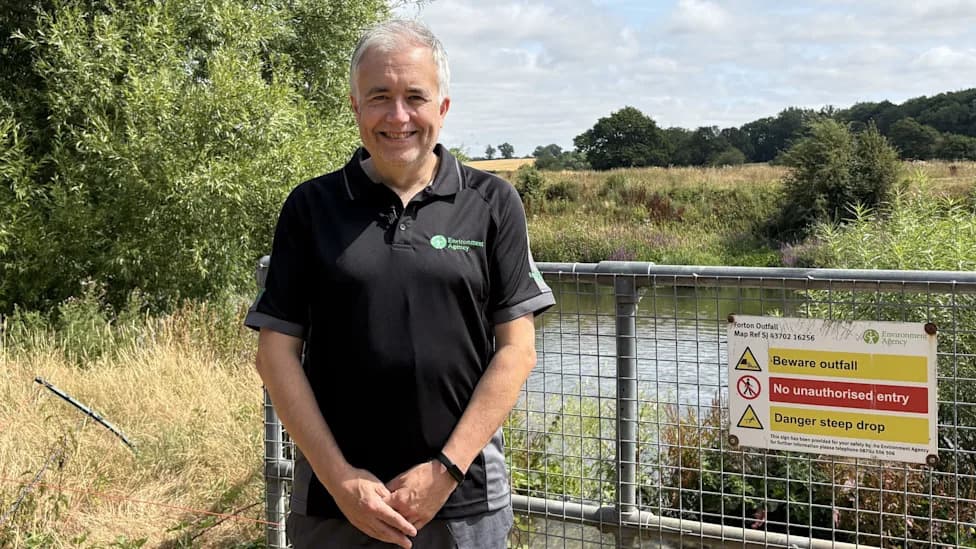
Matt Lawrence said the Environment Agency would be keeping an eye on groundwater levels [BBC]
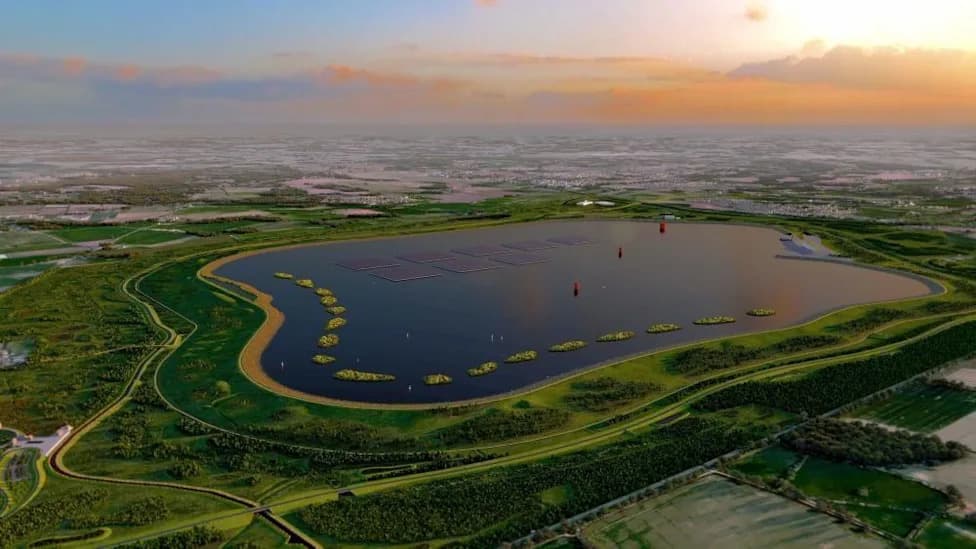
The Environment Agency (EA) says the Shropshire Groundwater Scheme — designed to sustain flows in the River Severn during prolonged hot spells — is being used far more often than in the past. The system draws on groundwater stored in the sandstone aquifer beneath north Shropshire and moves water through a 53km network of underground pipelines to bolster river levels.
How the scheme works
At present the scheme is releasing about 200 million litres of water a day. At full capacity it can supply up to 240 million litres daily — roughly equivalent to 96 Olympic-sized swimming pools — and is located close to Shrewsbury.
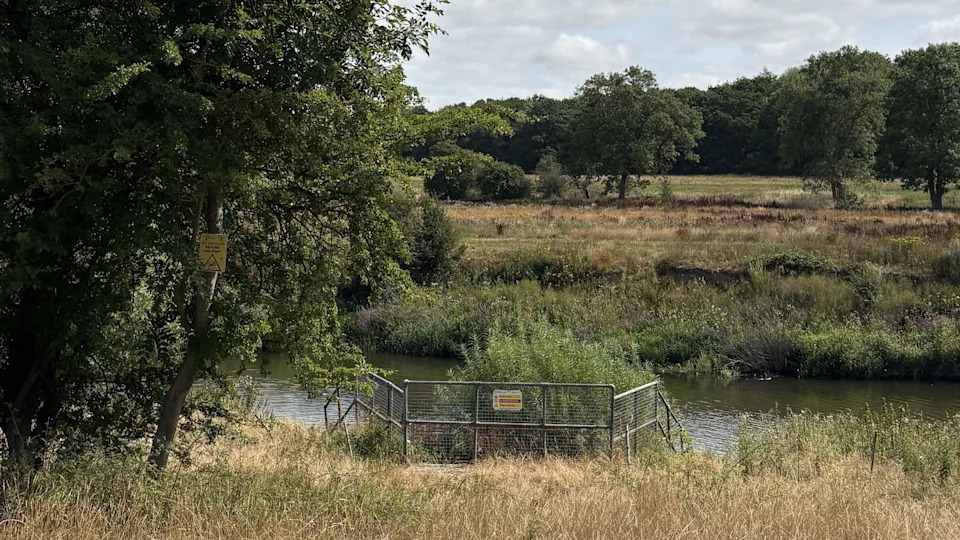
The National Drought Group said the West Midlands was among the English regions on the brink of drought [BBC]
Why it's being used more
Matt Lawrence, the EA's environment programme manager, says the scheme used to operate roughly one year in four but is now being deployed every year, and in some years multiple times. He linked the increased use to rising water demand and a warming climate: 'The climate, that demand for water is increasing, and things like this are essential to maintain flows.' Lawrence also noted that several reservoirs in Wales are contributing water to help sustain river levels.
Impacts on wildlife and people
Only about 13% of rivers across England are classed as being at normal levels for this time of year, the EA warns. Low flows are creating a 'really serious' situation for freshwater wildlife. The agency has carried out fish rescues on the River Teme in south Shropshire, moving fish from dried stretches to areas with remaining water.
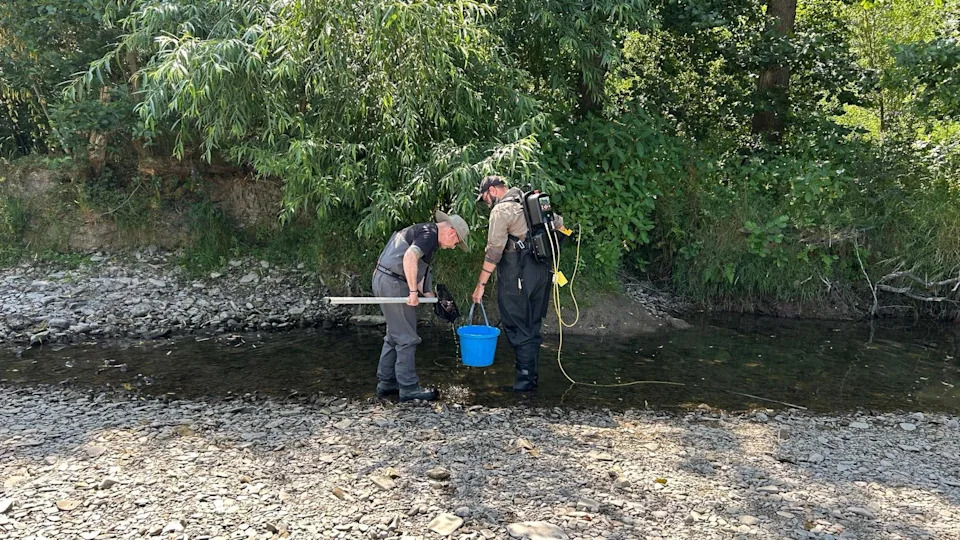
Fish rescue operations have been carried out on the River Teme [Environment Agency]
Lawrence emphasised the need to balance competing demands: 'Six million people rely on the River Severn for drinking water, and landowners, farmers and growers rely on it to keep crops watered. But that can't come at the cost of nature — the Severn supports species of national and international importance that also need protection.'
Supply, demand and action
Water company Severn Trent has not imposed a hosepipe ban, but it recently recorded its highest level of demand on record and has urged customers to reduce usage. The EA says groundwater levels recharge over longer timescales, refilling during wet winters, and that the agency will continue to monitor supplies and work with farmers and other partners if the situation worsens.
Climate context
Analysis by the Met Office, referenced by BBC correspondent David Gregory-Kumar, places the local pressures in the context of the State of the Climate 2025. Using long-running records such as the Central England Temperature (CET) series — which dates back to 1659 — the Met Office found 2025 to be the warmest year in the 364-year CET record. The Midlands experienced an average temperature anomaly of about +1°C compared with the 1991–2020 baseline, prompting the Met Office to add a new colour (purple) to maps of spring mean maximum temperature to show the extreme warmth in parts of the region.
What comes next
The EA will continue to monitor groundwater stores and river flows, coordinate with water companies and farmers, and urge householders and businesses to use water more wisely to protect both public supplies and vulnerable wildlife.
Reporting: David Gregory-Kumar, BBC West Midlands environment correspondent. Sources: Environment Agency, Met Office.
Help us improve.