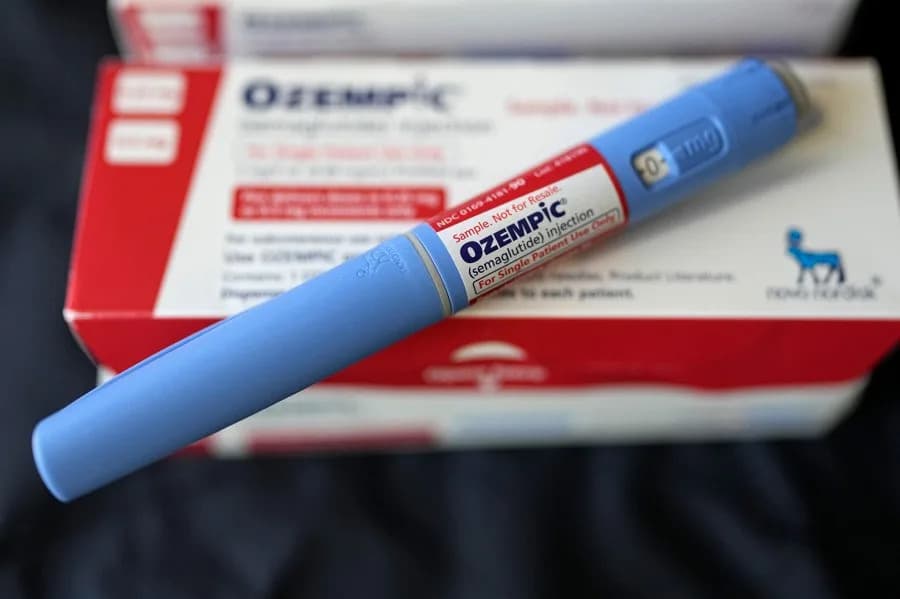
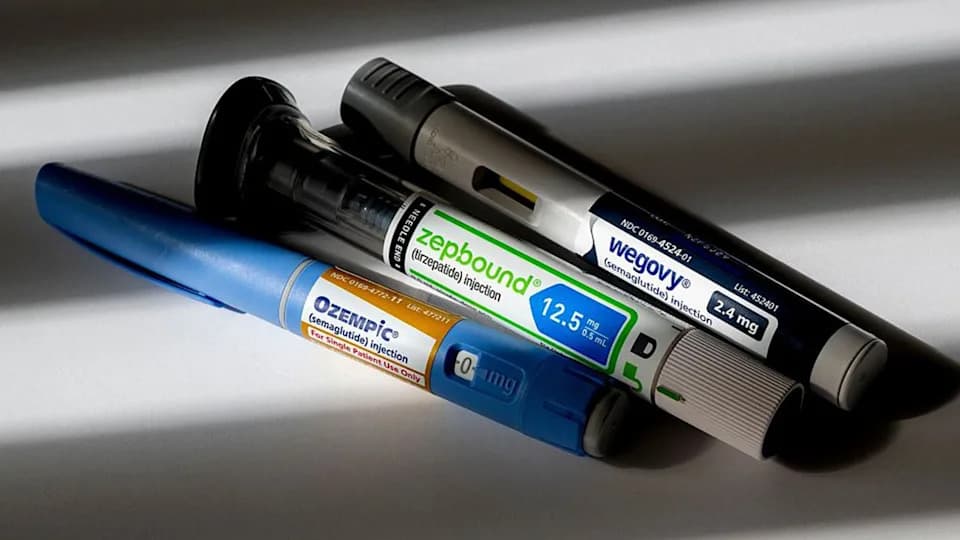
A National Bureau of Economic Research study using Danish administrative data found that GLP-1 medications (such as Ozempic and Wegovy) were associated with a 17% reduction in long-term sick leave, defined as absences over 30 days. Researchers estimate this reduction could save up to 1.5% of a worker's salary. The paper notes GLP-1s were developed for diabetes, are now widely used for weight loss, and may lower risks for cardiovascular disease and some cancers. The study is observational and its findings may be affected by Denmark's more generous sick-leave policies.
GLP-1 Drugs Linked to 17% Fewer Long-Term Sick Days — Study Finds Potential Economic Benefit
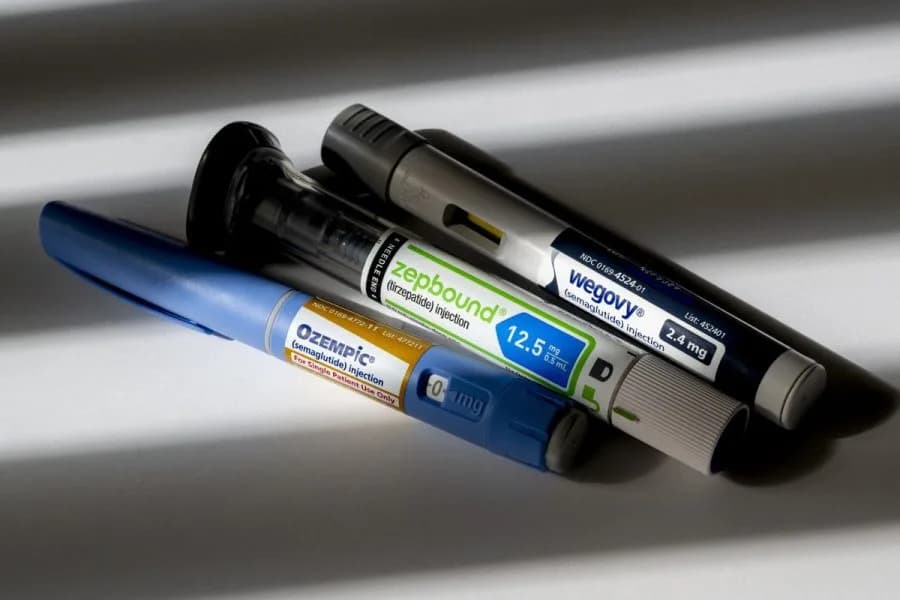
A new economic analysis suggests that GLP-1 medications, widely used for weight loss, are associated with substantially lower long-term sick leave among employees — a finding that could have meaningful economic implications.
Study Overview
The paper, published by the National Bureau of Economic Research, analyzed Danish administrative data to examine whether use of GLP-1 drugs (including brand names such as Ozempic and Wegovy) is linked to changes in workplace absences. The researchers defined "long-term" sick leave as illness-related absences lasting more than 30 days and focused specifically on extended absences beyond that threshold.
Key Findings
Use of GLP-1 medications was associated with a 17% reduction in long-term sick leave. The study estimates this reduction could translate into savings of up to 1.5% of an individual worker's salary, reflecting fewer prolonged absences from work.
Context and Possible Mechanisms
GLP-1 compounds were originally developed to treat diabetes but have gained popularity for weight loss. Ongoing research also indicates these drugs may lower the risk of cardiovascular disease and certain cancers, which could help explain lower rates of chronic illness-related absences among users.
Limitations and Generalizability
- This study reports an association and does not prove causation; observational analyses can be affected by selection bias and other confounders.
- Results are based on data from Denmark, where sick-leave policies are more generous than in many other countries: employers typically pay full salary for illness absences up to 30 days, and the government covers longer-term leave beyond that period.
- Differences in health-care access, drug availability, and sick-leave rules mean the findings may not directly translate to other settings, including the United States.
Implications
The study adds to evidence that GLP-1 medications may have broader public-health and economic effects beyond weight loss and diabetes control. Policymakers and employers may want to consider these potential benefits alongside cost, access, and safety when evaluating the broader impact of GLP-1 use. Further research, including randomized trials and studies in other health systems, is needed to better establish causality and measure wider economic effects.
Help us improve.