White House science adviser Michael Kratsios has accused China's Moonshot AI of a "large-scale" campaign to extract capabilities from US models using distillation and access to restricted Nvidia GB300 servers. The US alleges Moonshot "distilled" features from Anthropic's Fable to develop its Kimi K3 model, which Moonshot says can rival Western systems. Treasury Secretary Scott Bessent warned sanctions could follow if firms carry out "industrial-scale distillation attacks". Moonshot plans to release Kimi K3 as open-source on 27 July, while investigations and requests for comment are ongoing.
US Adviser Alleges Moonshot AI 'Distilled' Anthropic Tech to Create Kimi K3, Used Restricted Nvidia Servers
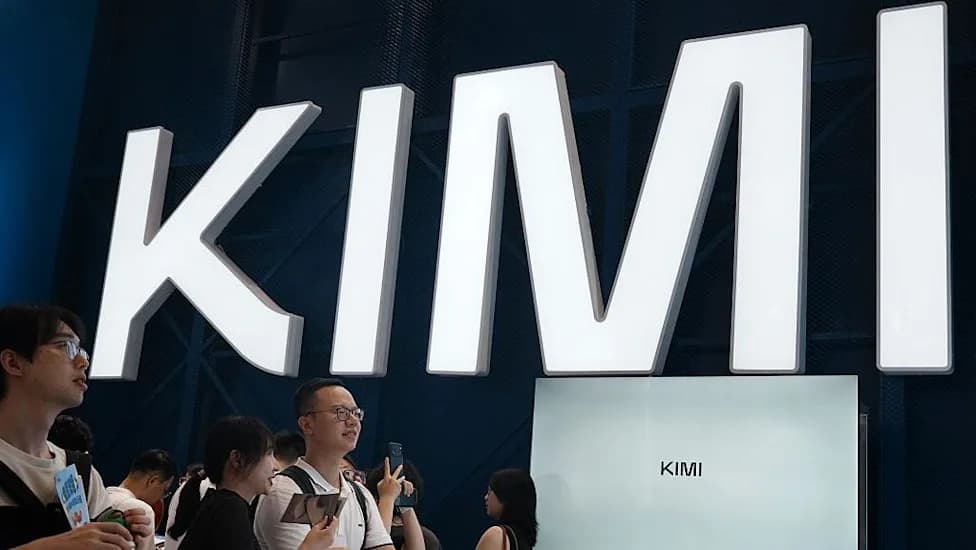
Kimi K3 is an AI model developed by Beijing-based Moonshot AI [Future Publishing via Getty Images]
A senior White House science adviser has accused China's Moonshot AI of mounting a "large-scale" campaign to extract capabilities from top US artificial intelligence models. The allegation centers on the use of a technique known as distillation, where a weaker model probes and mimics a stronger model's behavior and outputs.
Allegations and Technical Claims
Michael Kratsios, who serves as President Donald Trump's Science and Technology adviser, said on the platform X that the US government has information indicating Moonshot used distillation to transfer capabilities from Anthropic's Fable AI into its new model, Kimi K3 (also referred to as K3). Kratsios also claimed Moonshot gained access to restricted Nvidia servers — specifically systems powered by the GB300 Grace Blackwell platform — to train its models.
Responses So Far
The BBC has contacted Moonshot, the Chinese embassy in Washington, Anthropic, the White House, and Nvidia for comment. The Chinese government has not issued an immediate public response to the latest allegations but has previously said its AI advances are the result of domestic efforts and international cooperation.
Context And Potential Consequences
Washington restricted exports of Nvidia's most advanced chips in 2022 amid concerns they could be repurposed for military use, and governments worldwide have since increased enforcement against chip smuggling. Treasury Secretary Scott Bessent said the US will investigate whether Chinese AI models unlawfully replicated capabilities from American rivals and warned sanctions could be considered if companies engage in "industrial-scale distillation attacks".
"We support open-source AI and the innovation it unlocks. But open source is not open season on American IP." — Scott Bessent
Moonshot's Kimi K3 drew global attention after its unveiling, with the company claiming the model can rival leading Western systems. Moonshot plans to release Kimi K3 as an open-source model on 27 July, making it widely available for download and customization. In June, Anthropic publicly accused Alibaba of using similar distillation techniques against its Claude models and urged Congress to take action.
What Remains Unclear
These are allegations and, as Kratsios framed them, are under investigation. No definitive legal findings or public evidence have been released tying Moonshot to criminal activity. The White House has said it will work more closely with US AI companies to counter "industrial-scale campaigns" that aim to appropriate proprietary technology, while lawmakers and regulators consider potential remedies including sanctions and export controls.
Note: This article summarizes public accusations and official comments; readers should treat the claims as contested until investigations produce verified evidence.
Help us improve.