Investigators raided South Korea's National Election Commission after finding indications that some officials falsified voter turnout figures during the June 3 local elections. Ballot shortages at dozens of polling stations prompted the NEC chief's resignation and left at least 90 voters unable to cast ballots. A joint police-prosecutor team has placed two election staffers under formal investigation and is probing whether manipulation extended to senior officials. The case has intensified calls for stronger oversight and raised wider concerns about electoral integrity and foreign interference claims.
South Korea Election Commission Raided Over Alleged Falsified Turnout Figures
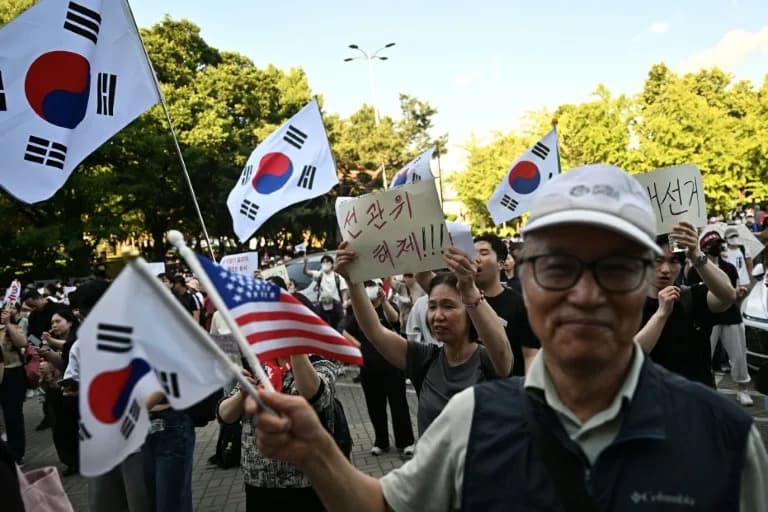
Dozens of polling stations in South Korea experienced unprecedented ballot paper shortages on the June 3 nationwide vote (Pedro PARDO)
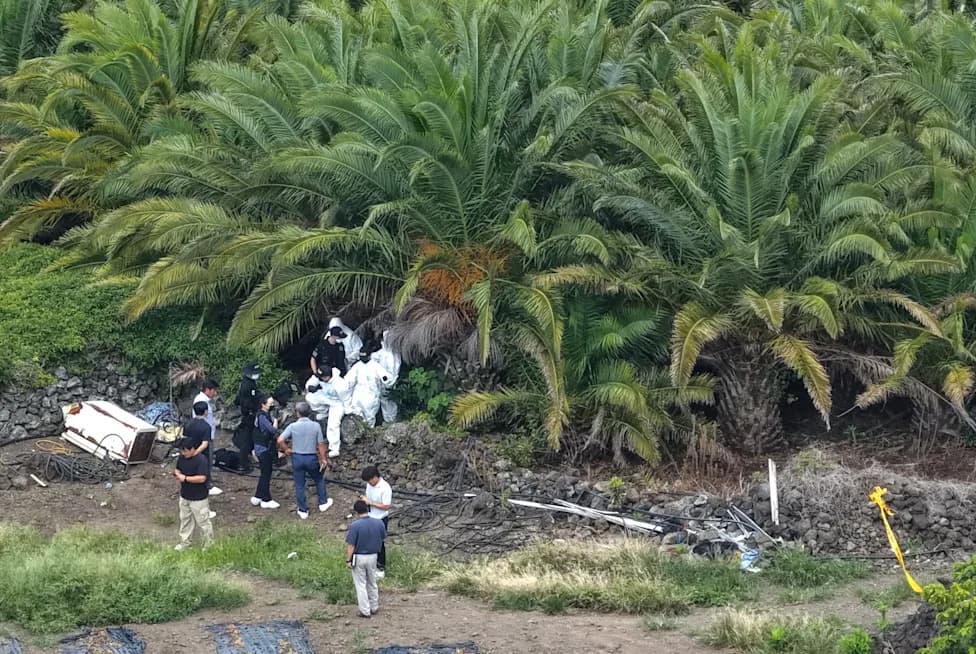
South Korean investigators on Thursday raided the National Election Commission (NEC) after uncovering indications that some election officials entered false voter turnout figures during the June 3 local elections, a joint police-prosecutor team told AFP.
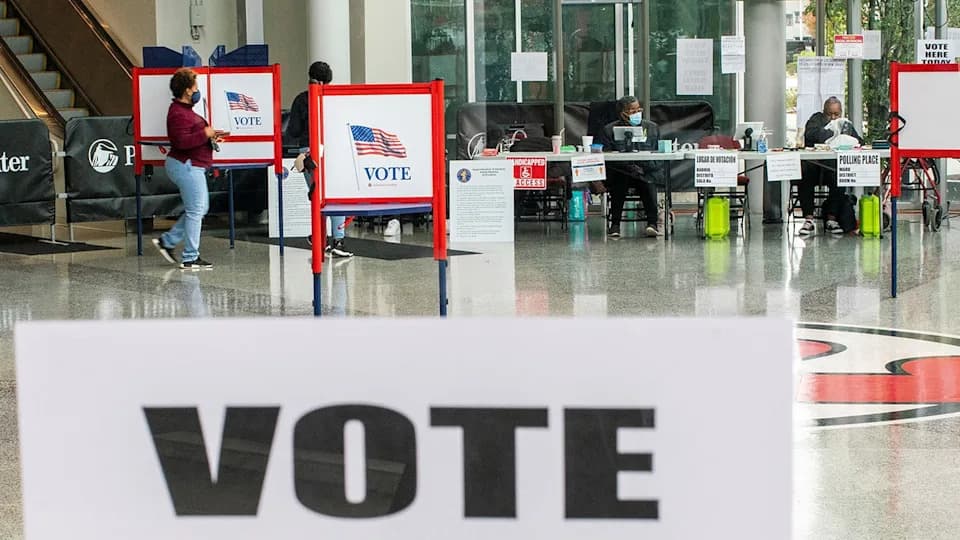
Dozens of polling stations experienced unprecedented ballot-paper shortages during the nationwide vote — the first local elections since President Lee Jae Myung took office last year. The shortages prompted the resignation of NEC chief Roh Tae-ak, sparked street demonstrations calling for a re-run and prompted President Lee to order a "thorough" investigation.
What Investigators Say
The special investigation team said searches and seizures were under way after it found signs that officials at the NEC and the Gyeonggi Provincial Election Commission entered false turnout figures. Two election staffers have been formally placed under investigation on suspicion of offences including falsifying official electronic records.
"We have found indications that officials from the National Election Commission and the Gyeonggi Provincial Election Commission entered false voter turnout figures during the local elections," the team’s spokesman told AFP. He added investigators will probe whether the manipulation extended beyond frontline staff.
How The Alleged Manipulation Worked
Investigators are examining whether staff manipulated the NEC’s election statistics system to correct apparent reporting errors on election day. Under NEC rules, any correction to reported turnout figures must follow a formal approval process. Instead, detectives suspect some officials redistributed excess votes across multiple polling stations to keep aggregate totals consistent while waiting for actual turnout numbers to arrive.
As reported by Yonhap, one alleged example involved a polling station where 1,000 voters were recorded instead of 100. Investigators believe officials redistributed the excess 900 votes across other stations, hoping later ballots would close the discrepancy.
Broader Concerns And Political Fallout
Analysts say the NEC, a constitutional body with limited external oversight, has long faced gaps in internal discipline and review mechanisms. According to NEC data provided to a lawmaker’s office, the ballot shortage left at least 90 voters unable to cast ballots on June 3.
The controversy has intensified wider political scrutiny and revived conspiracy claims about foreign interference. Far-right groups in South Korea — including some supporters of former president Yoon Suk Yeol, who is currently jailed and on trial on insurrection-related charges — amplified unproven claims about foreign meddling. International parallels surfaced after former U.S. president Donald Trump said he planned to declassify intelligence alleging China acquired millions of voter files.
Young university students have joined protests demanding a full, transparent inquiry and stronger safeguards to protect voters' rights. If the allegations are confirmed, investigators say this would be the first known manipulation of the NEC’s election statistics system.
Help us improve.