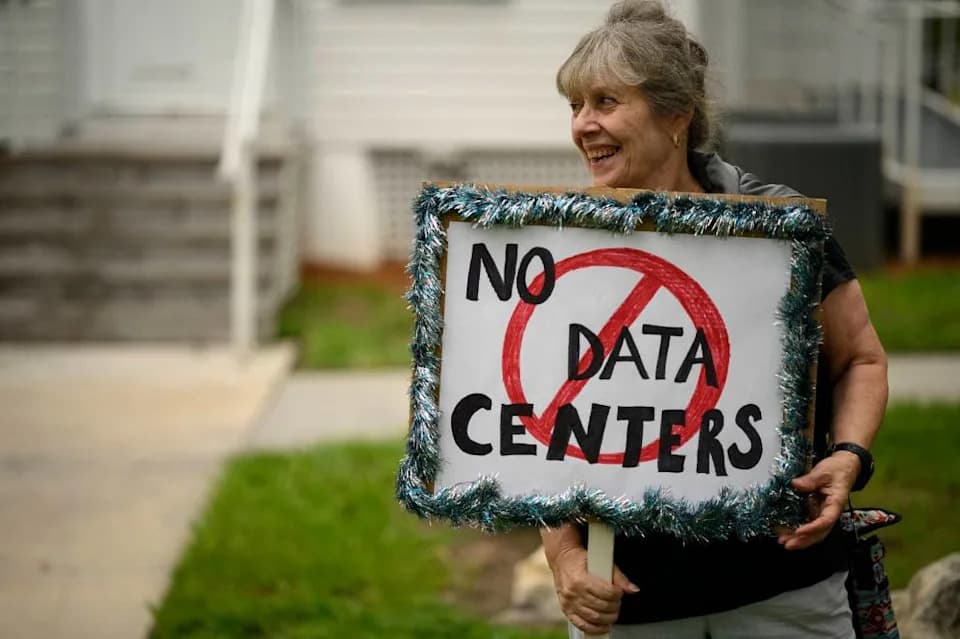
Baltimore County is weighing a six-month extension to its moratorium on new data centers while a 51-page draft report proposes tougher zoning limits, stronger environmental protections, and expanded public review. Key draft measures include confining data centers to industrial zones, banning them on agricultural land and outside the urban‑rural line, and requiring a 750‑foot buffer from residences. The plan would also curtail some by-right approvals, require proof of utility capacity, and bar county financial incentives for new facilities. A public hearing is set for September 3, with a Planning Board vote expected September 17.
Baltimore County Eyes Six-Month Extension to Data Center Moratorium as Stricter Rules Take Shape
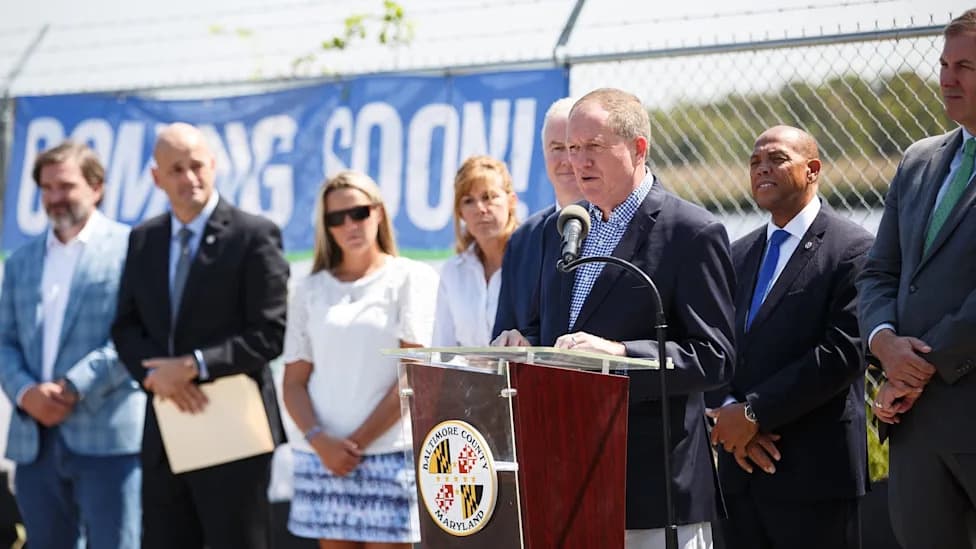
Photo Credit: Facebook
Baltimore County is considering a six-month extension to its moratorium on new data center projects while a 51-page draft report proposes stricter zoning, environmental safeguards, and expanded community review.
Background: County officials approved the initial moratorium in February; it is currently set to remain in place through no later than January 1, 2027. Councilman David Marks said he plans to introduce legislation in August seeking an additional six-month pause to allow time for the task force’s recommendations to be finalized and for public input to be collected.
Key Draft Proposals: The draft report would confine data centers to industrially zoned areas, bar them from agricultural land and locations outside the county’s urban-rural line, and require a minimum 750-foot buffer between data centers and residential properties. It also calls for stricter environmental controls, reduced water use by new facilities, and legally binding mitigation agreements to offset impacts.
Stronger Review and Community Involvement: The recommendations would end certain by-right approvals that can limit public scrutiny and would require an extra community meeting before a concept plan is submitted. Projects proposed in communities identified as overburdened or underserved would face case-by-case review by an administrative law judge, and developers would be required to demonstrate adequate utility capacity — including electric and water — before moving forward.
Financial and Regional Context: One notable recommendation would make data centers ineligible for county financial incentives, reflecting a broader debate about whether taxpayer-supported subsidies should be offered to energy- and water-intensive developments. Similar measures are appearing across Maryland: Harford County has approved a ban, and moratoriums or pauses have been enacted in Frederick, Prince George’s, and Montgomery counties.
Timeline: The Baltimore County Planning Board reviewed the draft at its July 16 meeting. A public hearing is scheduled for September 3, with a Planning Board vote expected on September 17 before formal recommendations are forwarded to the County Council. A newly elected County Council will take office in December, which could affect next steps.
Stakeholder Views: Supporters argue that data centers bring jobs, capital investment, and tax revenue, and are essential infrastructure for cloud services, streaming, and artificial intelligence. Opponents and some planners counter that large facilities can strain local electric grids and water supplies, raise land-use and environmental concerns, and could contribute to higher utility bills for residents if power systems are stressed.
Public hearings and additional community outreach will determine whether the county adopts tougher regulations or extends the moratorium to give officials more time to refine safeguards.
Help us improve.