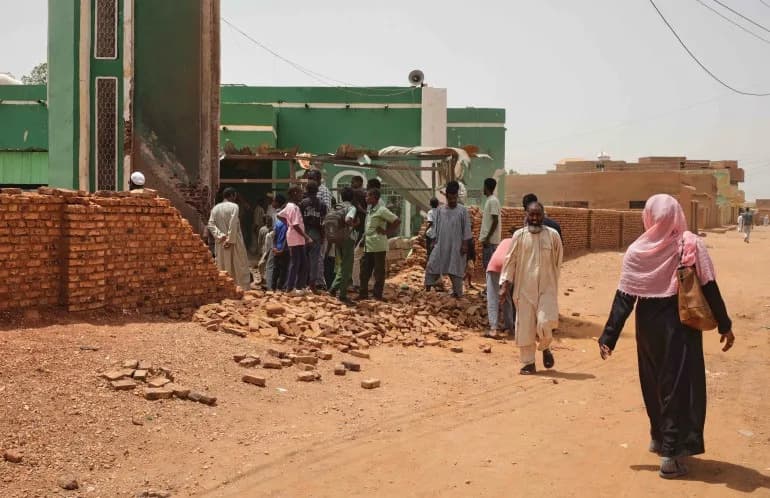
Heavy-armed militias now operate openly across army-controlled parts of Sudan, raising fears that the country could repeat the cycle that produced the RSF. The Joint Forces, Sudan Shield Forces and Iran-linked Baraa ibn Malek Brigade have expanded since April 2023 and carry artillery, missiles and drones. Analysts warn commanders who currently back the army could turn on it if their interests are threatened, risking another brutal power struggle.
Militias Shadow Sudan’s Cities as Fears Grow of a New Cycle of War
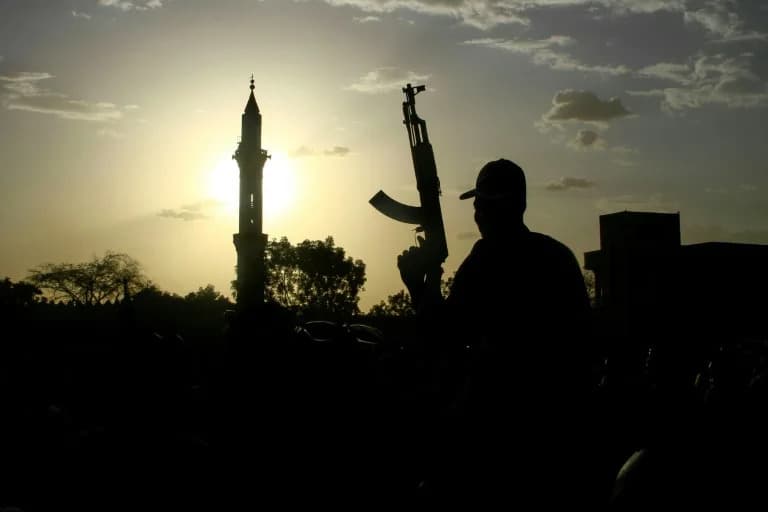
The Sudanese army's war effort includes a number of militias, each with their own arsenals and loyal fighters (-)
In Khartoum and other major cities, teenage militiamen patrol in pickup trucks fitted with rockets and heavy weapons, a sight that recalls the uprising that plunged Sudan into its current, devastating conflict.
Allies For Now, Threats Tomorrow
Three years ago the Rapid Support Forces (RSF), a powerful paramilitary group that had operated with state backing, turned on the army. The fighting that followed has been catastrophic: some estimates put the death toll at more than 200,000.
Today, the army relies on a coalition of militias across territory nominally under the command of army chief Abdel Fattah al-Burhan. Among the dozens of armed groups, three stand out for their size, weaponry and influence:
- The Joint Forces — a coalition of former Darfuri rebel militias;
- The Sudan Shield Forces — fighters who split from the RSF and now control large parts of Al-Jazira;
- The Baraa ibn Malek Brigade — an Iran-linked Islamist formation sanctioned by the US.
Since the war began in April 2023, these groups have expanded their ranks and acquired artillery, anti-aircraft missiles and armed drones. Civilians in Port Sudan, Khartoum and Wad Madani say the militias operate openly despite official bans, manning checkpoints, roaming markets and intimidating residents.
"We've seen this scenario over and over. It's the same old mistakes, and it's only a matter of time before they turn on each other," said a 30-year-old Sudanese writer who asked to remain anonymous.
Lessons From History
Sudan's army has long outsourced violence to militia forces. In the 2000s, Bashir-era authorities armed Janjaweed fighters to suppress the Darfur uprising; those fighters later formed the RSF. In 2019 RSF commander Mohamed Hamdan Daglo, known as 'Hemeti,' helped overthrow President Omar al-Bashir and later clashed with the army, setting the stage for the current power struggle.
After government forces retook Khartoum, Burhan ordered militias to disarm and leave, but many remain in place. Attempts to integrate them into the formal military have stalled, and failed negotiations over RSF integration were one trigger of the recent war.
New Power Centers, Uncertain Loyalties
Analysts warn that commanders who fought alongside the army could turn against it if their interests are threatened. Abu Aqla Kaykal, leader of the Sudan Shield Forces, is widely cited as a potential future rival. A native of Al-Jazira, Kaykal defected from the RSF in 2024 and now governs a semi-autonomous territory; critics accuse his fighters of atrocities both before and after the defection.
Observers say Burhan's apparent tolerance of powerful militia leaders risks repeating the same pattern that led to the rise of the RSF. "They're all mercenaries looking out for their own interests," a diplomat in Sudan told AFP. "If they ever feel short-changed, they're out."
The presence of heavily armed militias in cities and strategic states keeps large parts of the country under informal, often brutal control. For many civilians, the question is not whether these alliances will last, but when they will implode — and with what cost.
Reporting by AFP; names and quotes withheld or anonymised for security reasons.
Help us improve.