U.S. Response So Far: Washington has chosen targeted sanctions and measured pressure rather than direct intervention after President Daniel Ortega said he would end elections. Regime Dynamics: Ortega and co-president Rosario Murillo retain tight family control, using limited concessions such as prisoner releases to blunt U.S. pressure. Analysts' View: With a fragmented opposition and regime resilience, analysts say a democratic transition in Nicaragua is unlikely in the near term; U.S. policy appears geared toward long-term pressure and calibrated leverage ahead of the next scheduled elections in 2027.
Ortega Says He’ll End Elections — Why the U.S. Is Taking a Measured Approach to Nicaragua
CNN
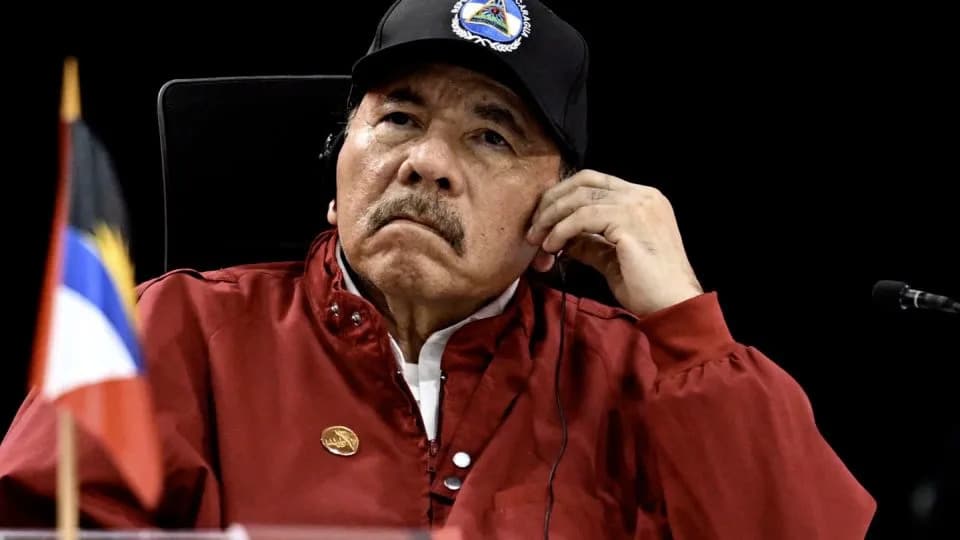
After a U.S. operation in Venezuela in January and stepped-up pressure on Cuba, observers expected Washington might next move aggressively against Nicaragua. This week, Nicaraguan President Daniel Ortega announced he would eliminate elections — a dramatic statement that has so far produced measured, targeted U.S. responses rather than immediate, decisive intervention.
Low Profile, Strategic Concessions
The Ortega–Murillo leadership has largely kept a low public profile and avoided direct provocations. In the weeks following the Venezuela operation, Managua made several moves that Washington read as conciliatory: it released dozens of prisoners after U.S. calls for their freedom and reinstated a visa requirement for Cuban citizens that reduced irregular migration flows toward North America.
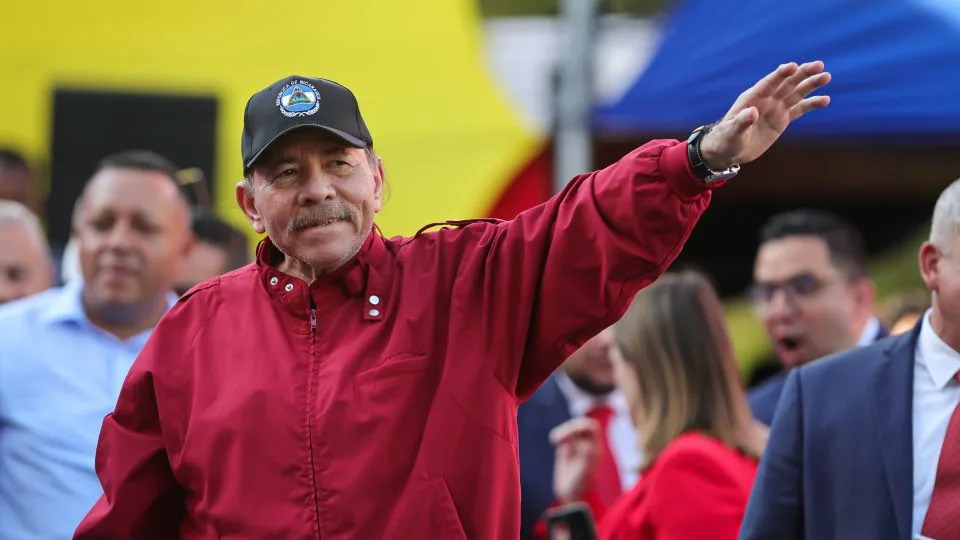
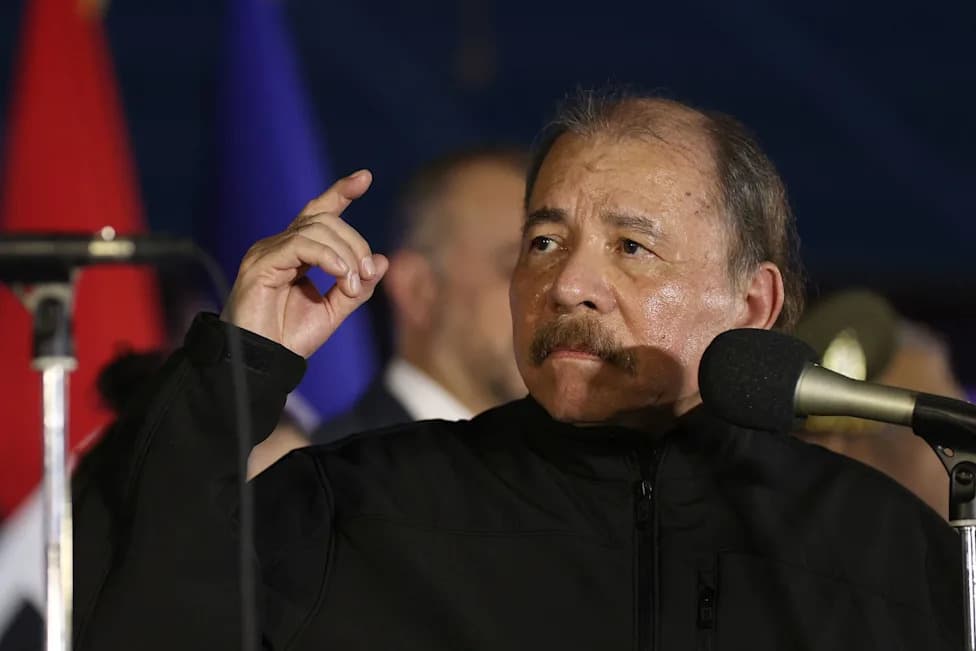
President of Nicaragua Daniel Ortega waves at Palacio Federal Legislativo on January 10, 2025 in Caracas, Venezuela. - Jesus Vargas/Getty Images
Targeted Sanctions, Calibrated Rhetoric
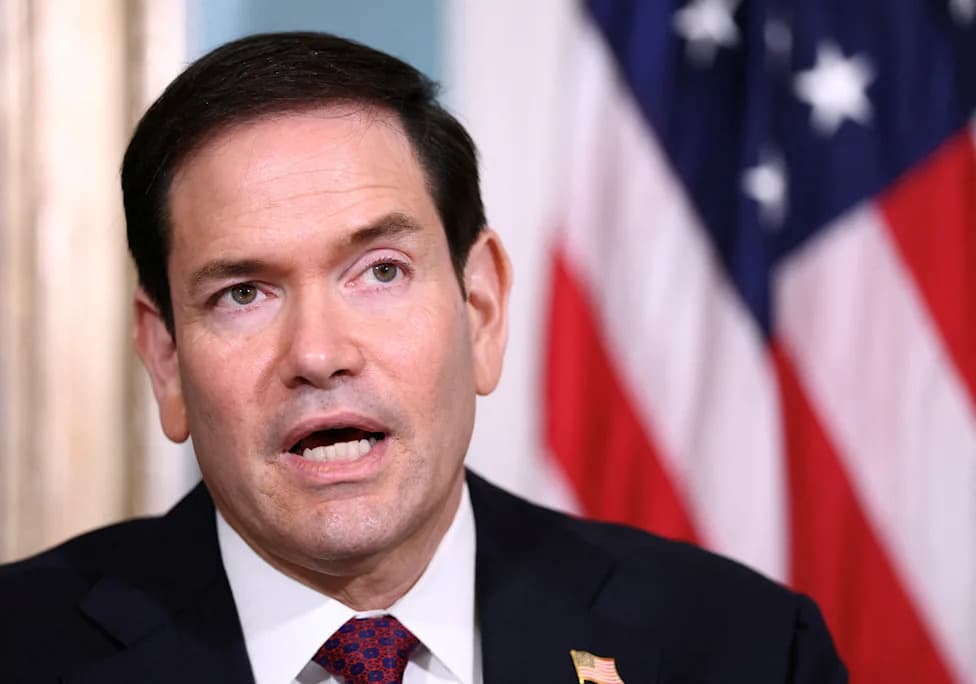
In April, the U.S. imposed fresh sanctions on Nicaraguan officials, this time targeting two sons of Daniel Ortega and Rosario Murillo. Senator Marco Rubio condemned Ortega’s declaration to scrap elections but has not advocated the kind of explicit regime-change rhetoric he has used about Cuba. Analysts say the U.S. approach to Nicaragua is more cautious and long-term than the actions seen toward Caracas and Havana.
“For Marco Rubio, Cuba matters much more than Nicaragua. Also, Nicaragua does not have Venezuela’s natural resources,” said Professor Kai Thaler of the Department of Global Studies at the University of California, Santa Barbara.
Why Washington Is Cautious
Political scientist Manuel Orozco, director of the Migration, Remittances, and Development Program at the Inter-American Dialogue, argues that U.S. policymakers want to avoid moves that could trigger mass migration or harsher repression. He and other analysts suggest Washington prefers sustained pressure and strategic timing — hoping economic strain, internal dissent or social protests might create openings for reform rather than forcing an abrupt transition.
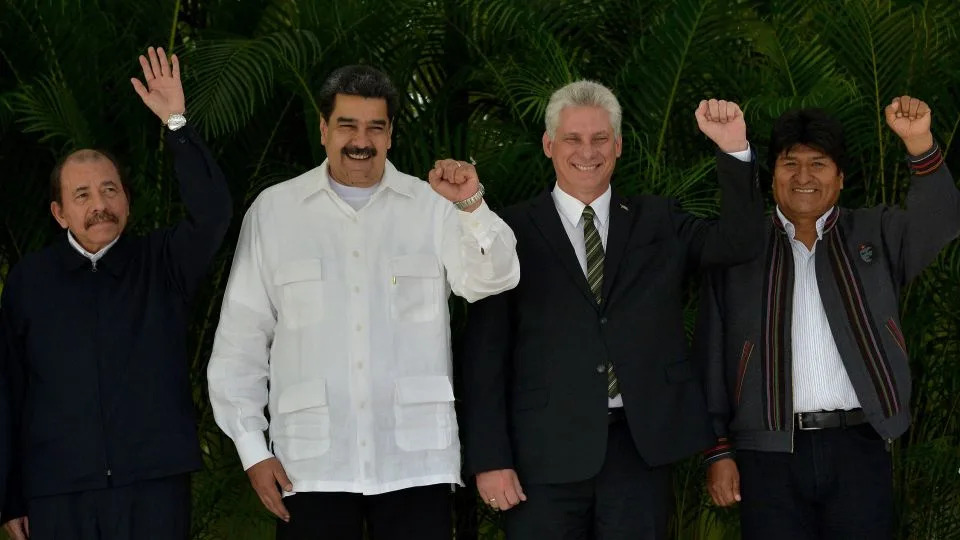
From left, Nicaragua President Daniel Ortega, Venezuelan President Nicolas Maduro, Cuban President Miguel Diaz-Canel and Bolivian President Evo Morales pose for the official picture of the XVI Summit of the Bolivarian Alliance for the People of Our Americas (ALBA) in Havana, on December 14, 2018. - Yamil Lage/AFP/Getty Images
“If it intervenes at this moment, it is not known what the effect on a political transition would be,” Orozco said. He noted that the Sandinista government, in power since 2007, is not currently facing widespread economic collapse or large-scale street protests, which reduces the immediate impact of external pressure.
Family Control and Limited Alternatives
Experts emphasize that Ortega and his wife, co-president Rosario Murillo, have consolidated control through family ties and loyalists in key positions. “Every alternative for leadership has been eliminated by Ortega and Murillo,” Thaler said, arguing that the regime’s family-run nature complicates external efforts to identify viable successors or to promote an orderly transition.
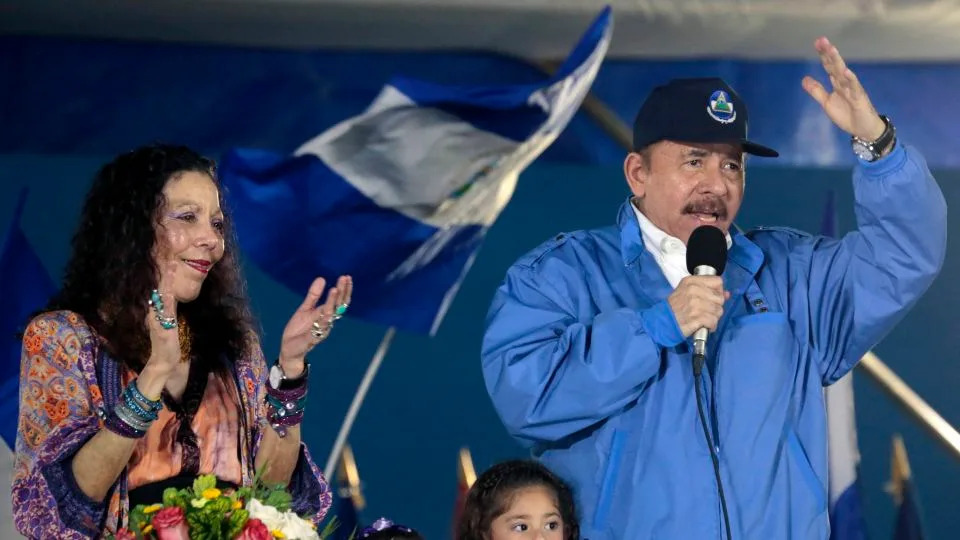
Nicaraguan President Daniel Ortega, next to his wife Rosario Murillo, during a march called "We walk for peace, with faith and hope" in honor of Salvadoran blessed Monsignor Oscar Arnulfo Romero, on the eve of his canonization, in Managua on October 13, 2018. - Inti Ocon/AFP/Getty Images
Both analysts said the opposition remains fragmented and lacks unified leadership. Analysts note a possible dynastic path — elevating a family member such as Laureano Ortega — but say there are few institutional figures (generals, vice presidents or party leaders) positioned to take over a national transition.
Concessions, Resilience and the Road Ahead
Observers see prisoner releases and other gestures as limited, tactical concessions intended primarily to reduce international pressure without ceding real power. The State Department has begun naming Murillo before Ortega in statements, reflecting how her role has expanded since she received the co-president title in February 2025.
Orozco warned that Murillo’s base of power is transactional and partly tied to Ortega’s long-standing image: while she controls loyal networks, her support could weaken if the internal cost-benefit calculus shifts. Still, the couple’s decades of political experience and control over security institutions make a near-term democratic transformation unlikely without dramatic new developments.
CNN requested comment from the Nicaraguan government; Managua rarely responds to media inquiries.
Key Dates And Possibilities
General elections are theoretically scheduled for November 2027 — unless Ortega follows through on plans to cancel them. U.S. strategy appears to center on synchronized, sustained pressure designed to push for reforms over time while avoiding policies that could provoke humanitarian or migration crises.
Help us improve.