The Tripoli Amphibious Ready Group and the 31st Marine Expeditionary Unit have returned to Japan after a six-month deployment supporting U.S. operations tied to the conflict with Iran. About 2,200 Marines landed at White Beach, Okinawa, after helping enforce a U.S. Navy blockade in the Strait of Hormuz. During the deployment they moved roughly 800,000 pounds of cargo, logged more than 1,600 hours of combat aviation sorties without incident and refueled over 300 aircraft. The blockade paused under a 60-day U.S.-Iran memorandum but was renewed on July 14 when a ceasefire failed to hold.
Thousands of Marines, Sailors Return to Okinawa After Six-Month Iran Deployment
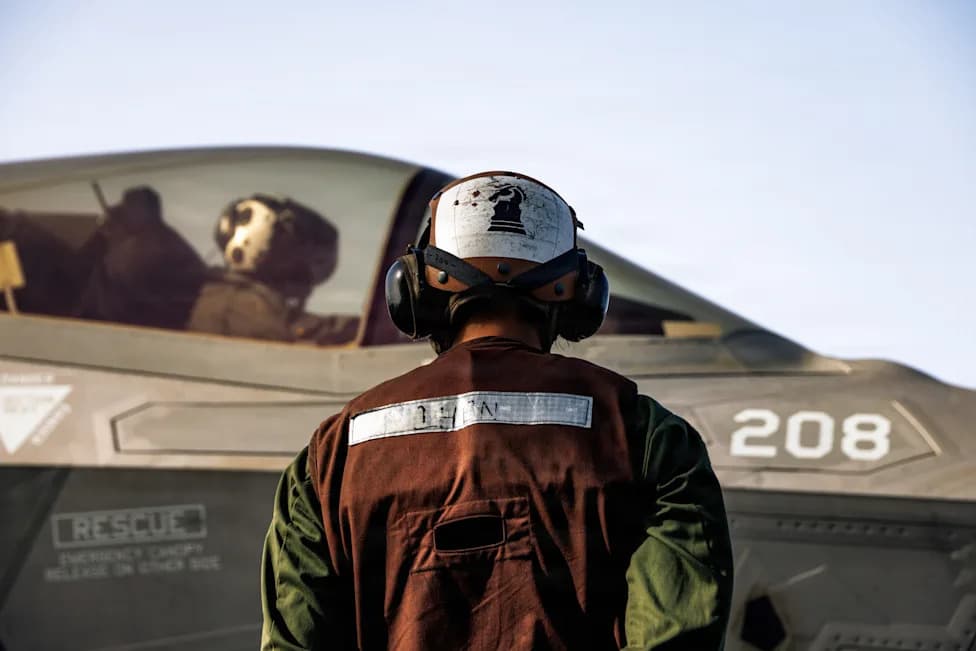
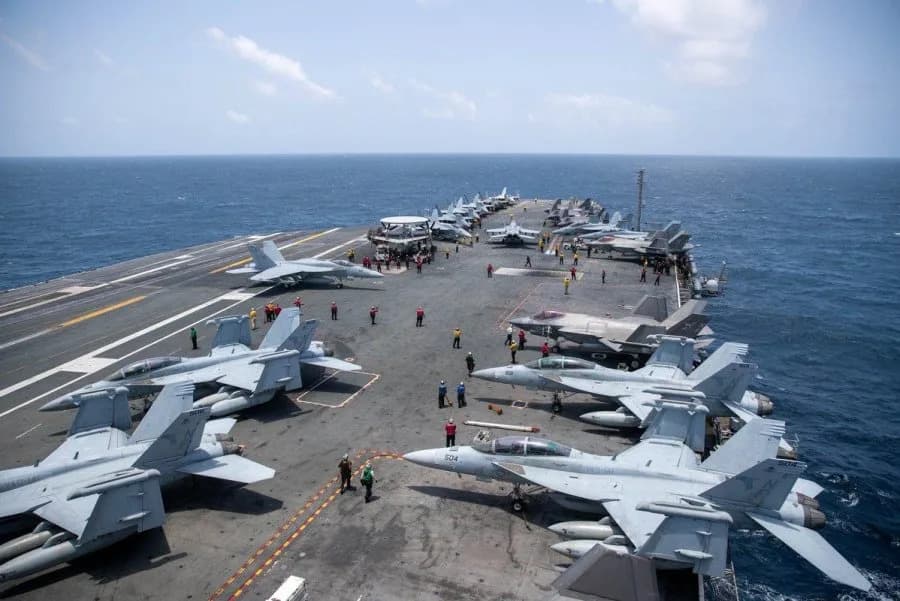
A U.S. Marine Corps F-35B Lightning II assigned to the 31st Marine Expeditionary Unit takes off from America-class assault ship USS Tripoli in the CENTCOM area of responsibility on May 30, 2026. (Lance Cpl. Victor Gurrola/U.S. Marine Corps)
The Tripoli Amphibious Ready Group (ARG) and the 31st Marine Expeditionary Unit (31st MEU) returned to Japan on Wednesday after a six-month deployment supporting U.S. military operations in the Middle East tied to the conflict with Iran.
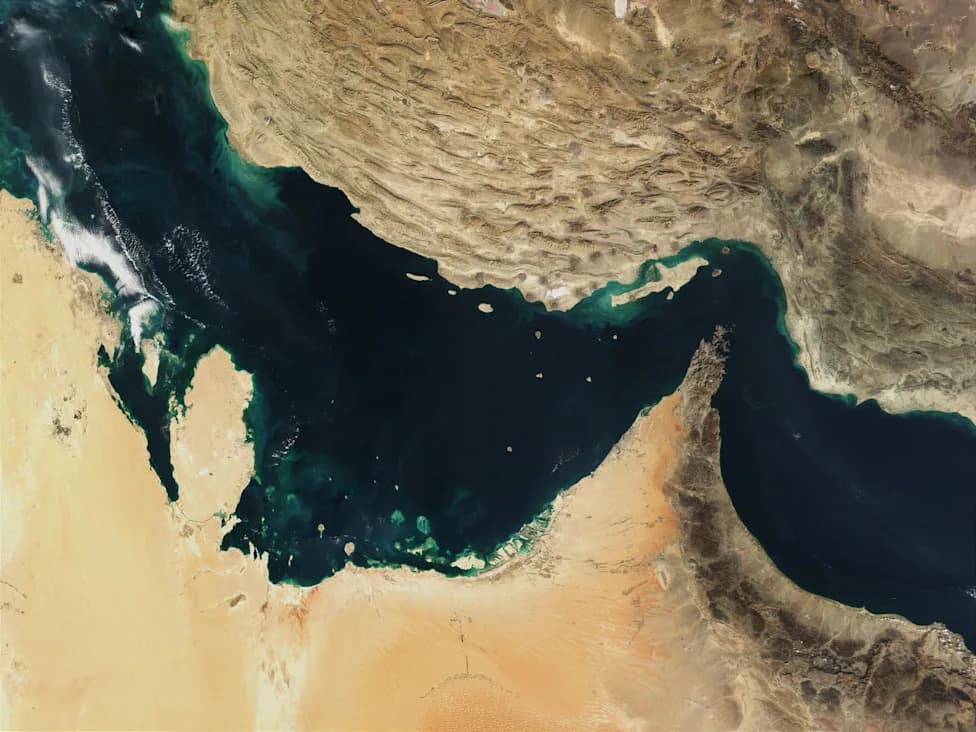
About 2,200 Marines from the 31st MEU arrived at White Beach Naval Facility in Okinawa following operations across the U.S. 5th Fleet and 7th Fleet areas of responsibility. During the deployment, the ARG-MEU helped enforce a U.S. Navy blockade in the Strait of Hormuz and supported broader maritime security and regional stability missions.
Command Praise. "The team adapted, never lost sight of the mission, and performed flawlessly under the most dynamic circumstances," said U.S. Marine Corps Col. Chris Niedziocha, commanding officer of the 31st MEU.
Task Force Composition. The Tripoli ARG consisted of:
- America-class amphibious assault ship USS Tripoli
- San Antonio-class amphibious transport dock USS New Orleans
- Whidbey Island-class dock landing ship USS Rushmore
The ARG and 31st MEU deployed from USS Tripoli's homeport in Sasebo, Japan, in early March and entered the U.S. Central Command (CENTCOM) area of operations on March 27. Prior to joining Operation Epic Fury, the group participated in Exercise Iron Fist 26 alongside Japan Self-Defense Forces.
Operational Highlights
Sailors and Marines completed a range of logistics and aviation tasks: they moved roughly 800,000 pounds of cargo, logged more than 1,600 hours of combat aviation sorties without a recorded accident, and refueled over 300 aircraft both ashore and underway.
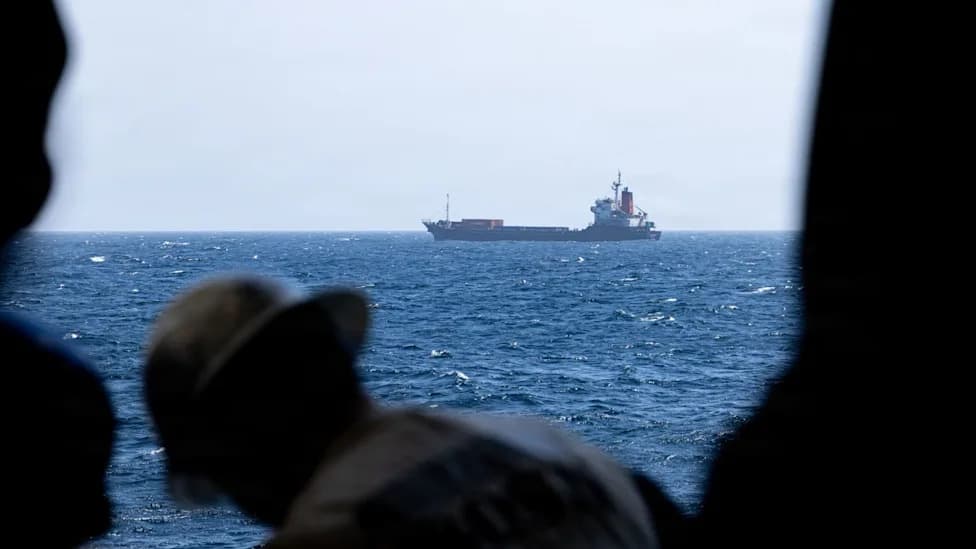
During the initial naval blockade, which ran from April 13 to June 18, U.S. forces redirected more than 140 compliant vessels and disabled nine non-compliant ships. The blockade was temporarily paused after a U.S.-Iran 60-day interim Memorandum of Understanding intended to permit diplomatic talks, but the U.S. renewed maritime restrictions on July 14 after a reported ceasefire between the parties failed to hold.
Now back in Japan, the ARG and MEU will undertake post-deployment maintenance, resupply and personnel rest before resuming routine training and readiness activities in the region.
Help us improve.