Bryan Johnson, 48, posted that he "cloned" himself and that a so-called "baby Bryan" resides in a Petri dish after his early July diagnosis of autoimmune gastritis. His description — drawing blood, exposing cells to Yamanaka factors and resetting them to an "embryonic-like" state — closely matches the laboratory creation of induced pluripotent stem cells (iPSCs), not the birth of a human clone. The announcement drew both criticism and support online, and scientists caution that turning reprogrammed cells into safe, transplantable tissues remains experimental and tightly regulated.
Bryan Johnson Says He 'Cloned' Himself to Grow Organs — Likely Reprogrammed Stem Cells, Not A Human Clone

Entrepreneur and self-styled longevity advocate Bryan Johnson says he has "cloned" himself to help address a recent medical diagnosis — but scientists say his description more closely matches a lab technique that creates induced pluripotent stem cells (iPSCs), not a born human clone.
What Johnson Said
On X, Johnson, 48, wrote:
"I just cloned myself … as a newborn."He added that this so-called "baby Bryan" currently exists "in a Petri dish." Johnson revealed in early July that he had been diagnosed with autoimmune gastritis, a chronic condition in which the immune system attacks the stomach's acid-producing cells.
His Stated Goal
Johnson described the purpose of the project this way:
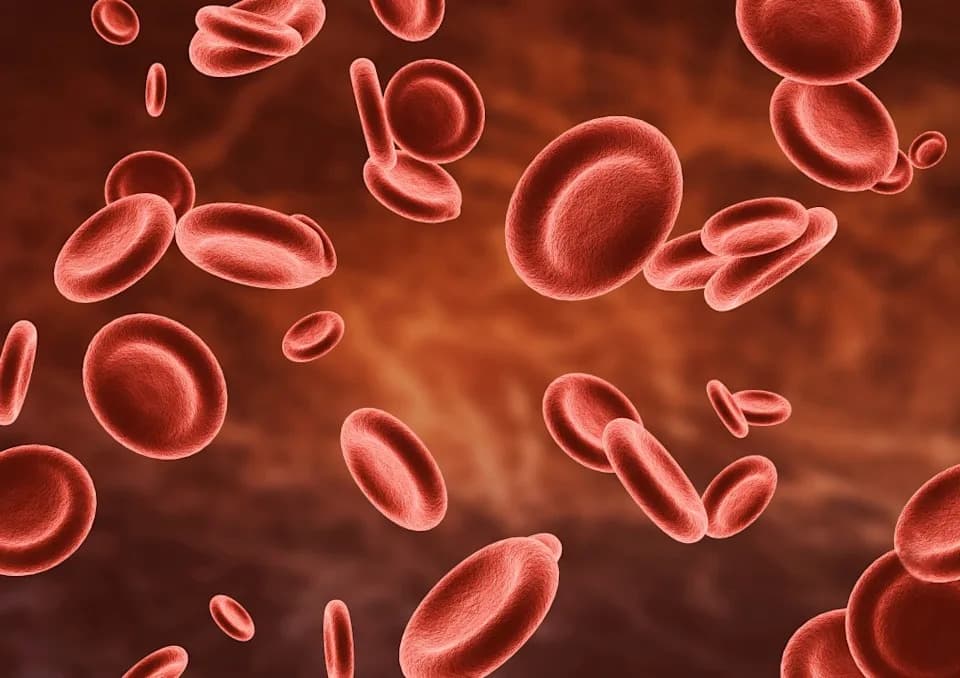
"With this clone, I can become my own blood boy, test therapies on the clone, grow organs for transplantation, develop new treatments and inject young cells."He explained in broad terms that the team drew blood, isolated his cells, exposed them to Yamanaka factors and reset them to an "embryonic-like state." Johnson has attributed the diagnosis in part to poor diet and the stresses of parenting three children.
What Scientists Say
Researchers note that Johnson's description aligns with the creation of induced pluripotent stem cells (iPSCs). iPSCs are adult cells — such as skin or blood cells — that have been genetically reprogrammed in the lab to behave like embryonic stem cells. By introducing the set of genes known as Yamanaka factors, scientists can erase a cell's specialized identity, enabling it to self-renew and differentiate into many cell types.
iPSCs are a powerful research tool for modeling disease, screening drugs, and, in the longer term, developing tissue therapies. However, turning iPSCs into transplantable organs or safe therapies remains complex, time-consuming, and tightly regulated.
Public Reaction
The announcement prompted strong reactions online. Some commenters called the plan unsettling or ethically troubling, while others defended exploratory science and noted that many medical advances began with unconventional experiments. Critics also questioned the language of "cloning" and the implication of creating a literal newborn clone in a dish.
Practical and Ethical Considerations
Even if the work involves iPSCs rather than creating a full human clone, the approach raises technical, safety and ethical issues. Converting reprogrammed cells into functioning tissue or organs requires extensive validation to avoid risks such as immune rejection or unintended cell growth. Any clinical use would require oversight, rigorous testing and regulatory approval.
Bottom line: Johnson's language is provocative, but current scientific interpretation suggests he is describing reprogramming his own cells into embryonic-like iPSCs — a legitimate but still experimental research pathway, not the instantaneous creation of a newborn human clone.
Help us improve.