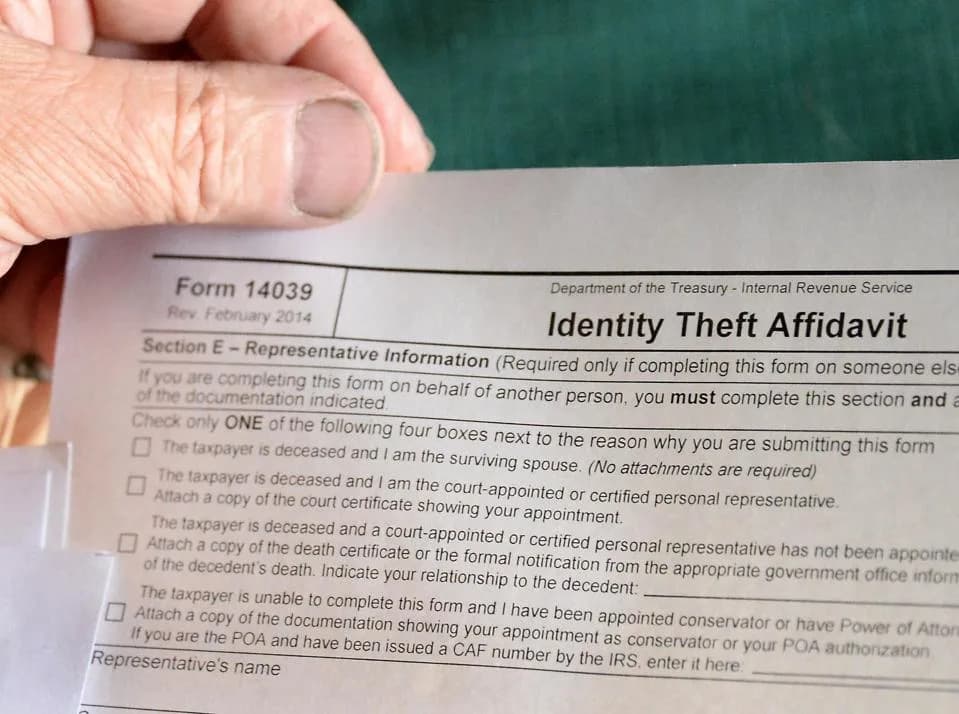
The Treasury, IRS and Social Security Administration say a new prepayment screening process prevented $99 million in proposed federal payments tied to deceased recipients. Treasury screened 885 million transactions (about $2.77 trillion) and flagged 4,900 payments for return to issuing agencies. The effort follows a 2025 executive order and the Ending Improper Payments to Deceased People Act, which granted Treasury permanent access to the Social Security Full Death Master File. GAO data show early recovery and prevention benefits, though some SSA data-quality questions remain.
New Federal Screening Blocked $99M In Payments To Deceased Recipients
AP
Federal financial controls and interagency data sharing have stopped roughly $99 million in proposed payments tied to deceased individuals, officials said Tuesday. The Treasury Department, working with the IRS and the Social Security Administration (SSA), implemented new prepayment screening that flagged suspect disbursements and returned them to issuing agencies for review.
What Officials Announced
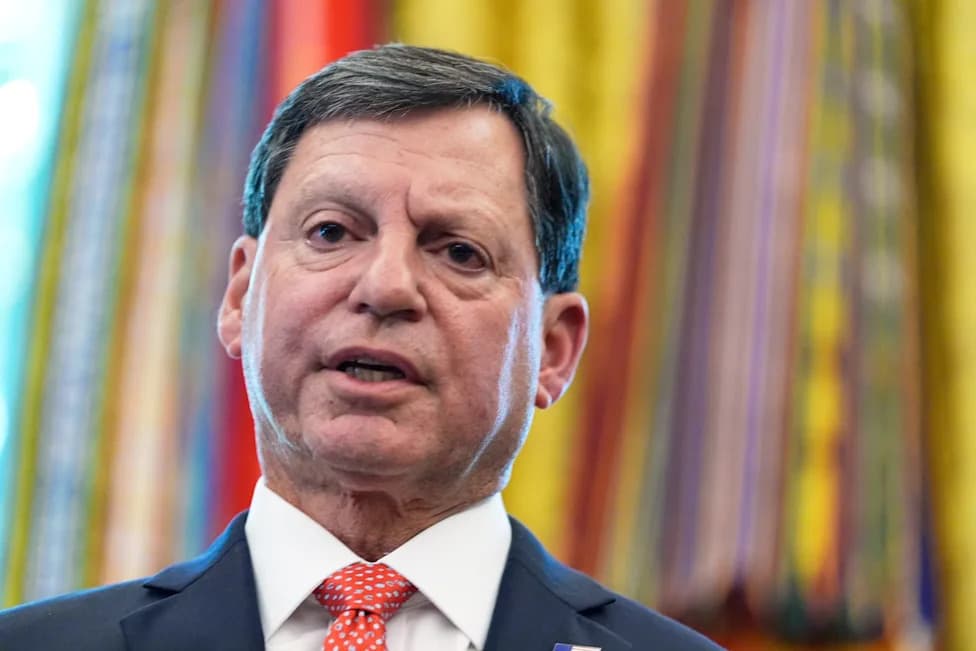
IRS CEO and SSA Commissioner Frank Bisignano said a new verification and screening process prevented $99 million in federal disbursements from going to payees identified as deceased. According to Treasury, the agency screened 885 million proposed payments totaling $2.77 trillion and flagged 4,900 transactions associated with deceased recipients; those transactions were returned to issuing agencies for further review.
"We've created the control functions both at Social Security and IRS and then at Treasury to make sure funds don't go to the wrong people," Bisignano said, highlighting expanded interagency safeguards.
Policy And Legal Backdrop
The screening process stems from a 2025 executive order, Protecting America's Bank Account Against Fraud, Waste, and Abuse, which directed the Treasury to strengthen pre-disbursement checks, require more detailed payment data, and verify recipient identity and eligibility. Congress also approved the Ending Improper Payments to Deceased People Act, signed into law in February, granting Treasury permanent access to the Social Security Administration's Full Death Master File (DMF). That access enables Treasury to match proposed federal payments against a more complete set of death records before funds are released.
Results, Oversight, And Projections
The Government Accountability Office (GAO) reported that access to the Full Death Master File helped identify, prevent, or recover $113.5 million in improper payments in 2024, the pilot program's first year. Treasury estimated the three-year pilot would yield about $337 million in net benefits.
Treasury Secretary Scott Bessent said the new checks "address a longstanding vulnerability and help ensure every dollar the federal government spends reaches its intended recipient." Bisignano added that the work depended on expanded information sharing across agencies under interagency agreements.
Open Questions And Data Quality
Bisignano also said officials found an error rate of over 10% in parts of the Social Security database—entries that were recorded incorrectly or listed people who were no longer alive. He cautioned that this did not necessarily mean erroneous benefit payments had been made, but that active Social Security numbers tied to inaccurate records could be exploited for fraud. The Social Security Administration has not publicly released a detailed dataset or report explaining how that 10% figure was calculated.
Broader Anti-Fraud Effort
The announcement is part of the Task Force to Eliminate Fraud, created in March to coordinate anti-fraud measures across programs including Medicare, Medicaid, food assistance, housing benefits, and federal student loans. The White House and administration officials cited additional actions tied to the effort, including enforcement operations, closures of certain providers, and blocks on suspected fraudulent applications.
Why This Matters: Strengthening prepayment checks and sharing accurate death-record data aim to reduce improper federal payments, protect taxpayer funds, and make it harder for bad actors to exploit government programs.
Reporting: Jonathan Draeger, RealClearPolitics.
Help us improve.