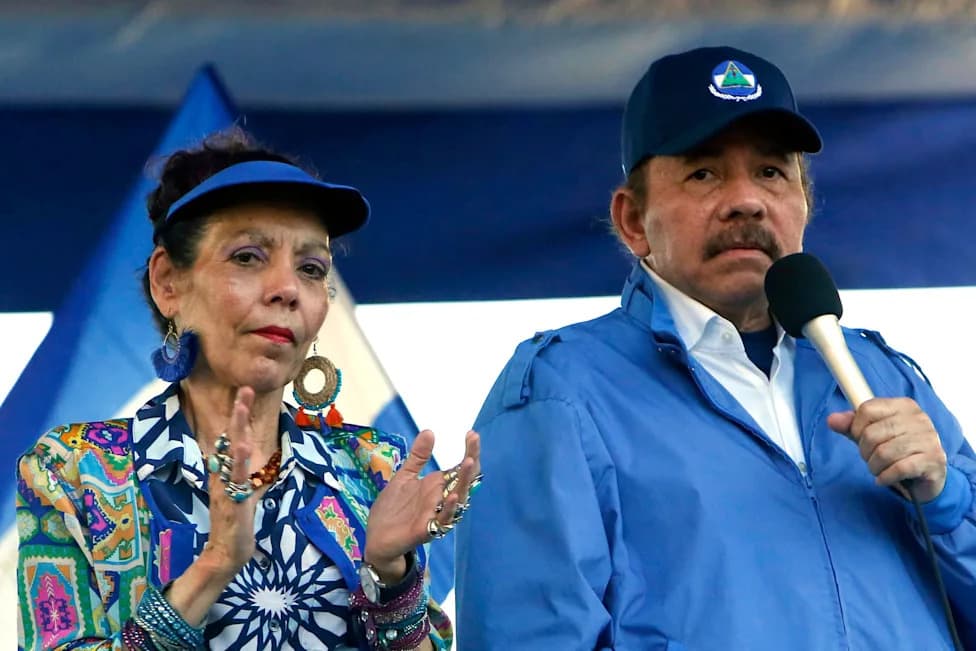
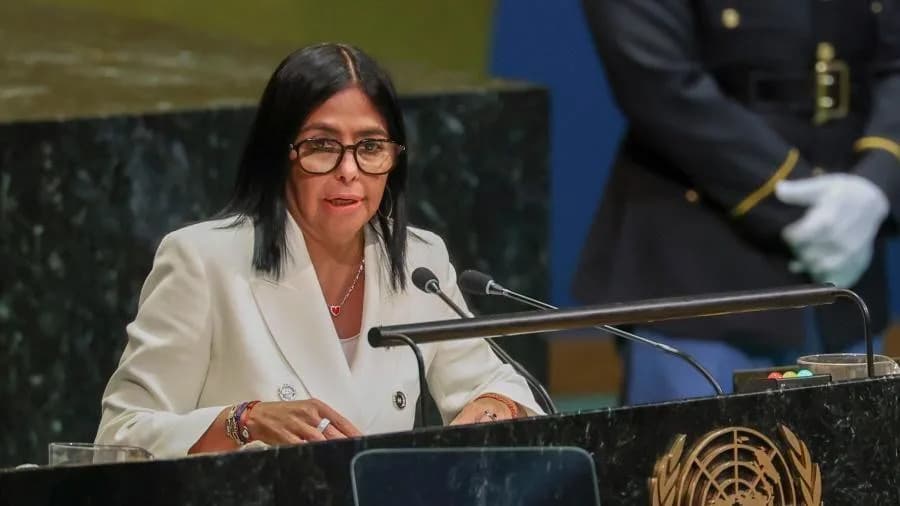
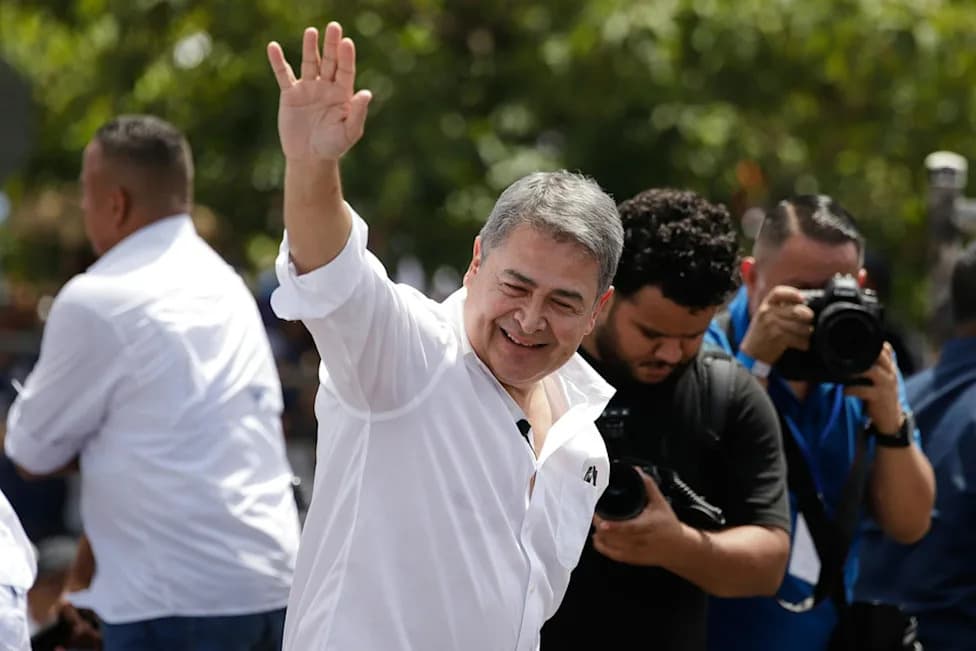
Secretary of State Marco Rubio warned that Nicaraguan President Daniel Ortega's pledge to end elections is an authoritarian escalation that threatens U.S. national security. Ortega's declaration—"There won't be any more elections"—effectively cancels a vote scheduled for November 2027 after a January 2025 constitutional overhaul extended the presidential term and consolidated power. Rubio's State Department statement, titled "A Call To Action," urges Hemisphere partners to coordinate a response, though no new U.S. sanctions were announced as of Tuesday.
Rubio: Ortega’s Move To End Elections Is An Authoritarian Threat — A State Department 'Call to Action'
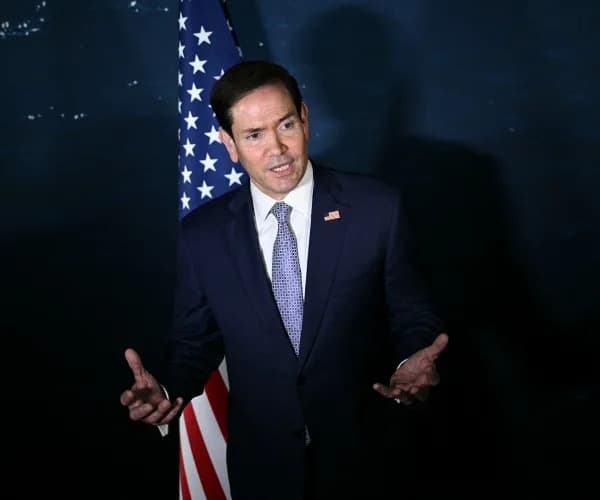
Secretary of State Marco Rubio (Brendan SMIALOWSKI / POOL / AFP via Getty Images)
Secretary of State Marco Rubio warned Tuesday that Nicaraguan President Daniel Ortega’s declaration to end national elections amounts to an authoritarian escalation that threatens U.S. national security and requires a coordinated international response.
Ortega's Declaration and Constitutional Changes
Speaking on the 47th anniversary of the Sandinista revolution, Ortega told supporters, "There won't be any more elections," a proclamation that effectively cancels a general election originally scheduled for November 2027. That move follows a January 2025 constitutional overhaul that extended the presidential term from five to six years and formally consolidated joint rule with his wife, Co-President Rosario Murillo.
U.S. Reaction: A 'Call to Action'
In a formal State Department statement titled "A Call to Action," Rubio framed Ortega's vow as more than a domestic matter and urged allies in the Western Hemisphere to respond together. The statement accused Ortega and Murillo of having "abandoned even the pretense of popular consent" and called on foreign governments to make clear that business as usual with Managua is off the table while democratic norms are under attack.
Background: Consolidation of Power
The January 2025 package, advanced by the Sandinista-controlled National Assembly, extended executive control over institutions including the courts, police and armed forces. Washington has never recognized Ortega's disputed 2021 reelection, which followed the jailing of leading opposition figures.
Sanctions, Next Steps and Regional Response
Rubio offered no new sanctions in Tuesday's statement. The Trump administration has previously imposed visa restrictions on more than 2,000 Nicaraguan officials tied to the Ortega-Murillo government (an April 2025 State Department action). The immediate question is whether regional partners will follow Washington and escalate pressure—or whether Ortega's declaration will only harden an existing diplomatic freeze.
Opposition Reaction and Enforcement
Nicaragua's opposition—much of it in exile after mass releases of political prisoners in 2023–24—described the announcement as confirmation of a long-planned drive toward one-party rule. Ortega gave no details on how the election ban would be enforced, and as of Tuesday no follow-on U.S. enforcement actions had been announced.
Context Note: The situation remains fluid. The State Department is urging coordinated multilateral measures, but any new policy steps will depend on whether regional partners join the effort and on concrete developments inside Nicaragua.
Help us improve.