Former prime minister Viktor Orbán announced that his Fidesz party will lead a peaceful "resistance" against Hungary’s new center-right government, which he labeled "tyranny" after lawmakers adopted a constitutional amendment. The amendment removed the Orbán-era president and imposed a retroactive 12-year parliamentary term limit that Orbán says will bar many Fidesz MPs from running in 2030. Since taking office, Prime Minister Péter Magyar’s administration has removed numerous Orbán appointees, suspended public-broadcaster news services and closed the Sovereignty Protection Office. Fidesz pledged peaceful opposition and promised to document alleged abuses while investigations and raids related to alleged embezzlement during Orbán’s time in office continue.
Orbán Declares Peaceful 'Resistance' After Election Loss, Calls New Government 'Tyranny'
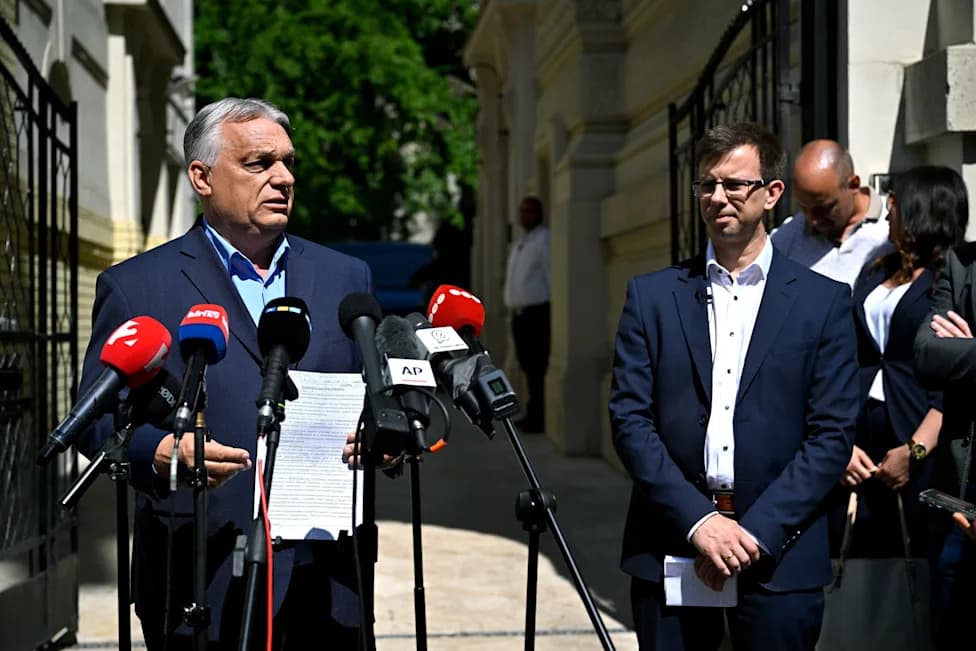
BUDAPEST — Former Hungarian prime minister Viktor Orbán announced on Wednesday that he and his right-wing Fidesz party will launch a peaceful "resistance" campaign against what he described as the tyrannical exercise of power by the country’s new center-right government led by Prime Minister Péter Magyar.
Background
Orbán, who led Hungary for 16 years, was defeated decisively in April by Péter Magyar and his pro-European Tisza party. Since the transfer of power in May, Fidesz has struggled to regroup politically while the new administration has moved quickly to roll back institutions and appointments from the Orbán era.
Orbán's Complaint: A Constitutional Change
At a news conference outside Fidesz headquarters in Budapest, Orbán criticized a constitutional amendment passed last week by Tisza’s parliamentary majority. The amendment removed the Orbán-era president and established a retroactive 12-year term limit for members of Parliament. Orbán said the change "dismantled the rule of law and eliminated the system of checks and balances," and warned it would bar roughly half of his party coalition's current MPs from standing in the next national elections scheduled for 2030.
"This New Political System Is Not A Democracy"
"This new political system is not a democracy, it is tyranny," Orbán declared, arguing the retroactive term limit resembled Hungary's late-1980s conditions, when he said "there was no democracy in Hungary, there was no rule of law."
Actions by the Magyar Government
Since taking office, Magyar’s administration has removed many political appointees associated with Orbán, suspended the news service of Hungary’s public television and radio — which the new government called a "propaganda factory" for Fidesz — and closed the Sovereignty Protection Office, an agency critics said was used to intimidate opponents and silence independent media.
Tisza argues these measures are part of fulfilling a strong electoral mandate to combat corruption, restore independent institutions and rebuild the rule of law after years of concentrated power under Orbán.
Fidesz's Declaration Of Resistance
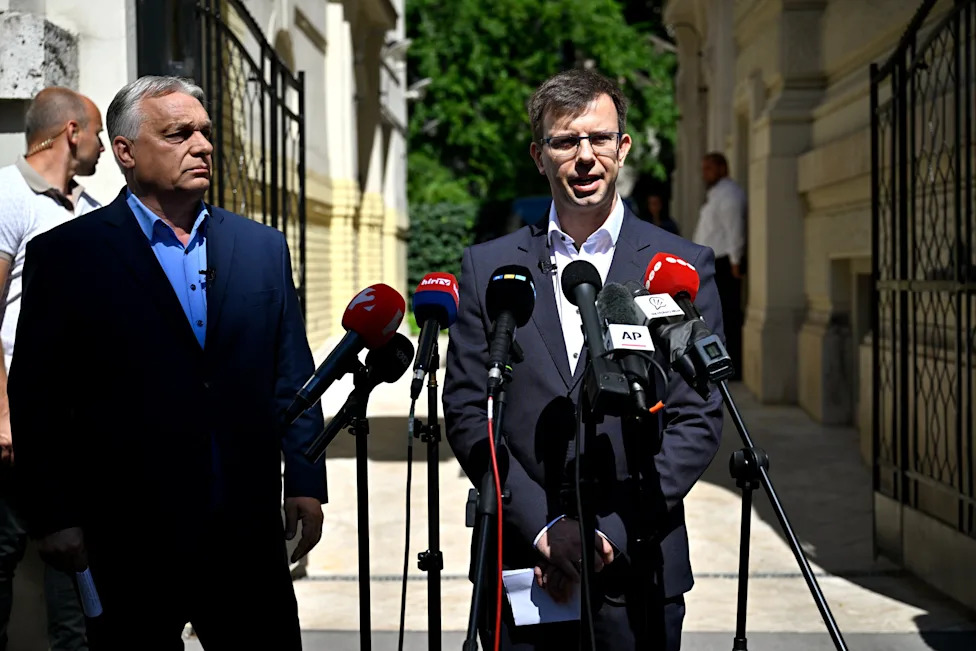
Fidesz released a "Declaration of Resistance" saying the party will "restore the democratic rule of law" and that "every citizen has the right to stand against tyrannical rule." The statement pledges that Fidesz will use "every peaceful means, both inside and outside Parliament, to resist the arbitrary exercise of power," assist those it calls victims of authoritarian practices, and document alleged legal violations. The declaration provided few operational details.
Investigations, Polling And Political Fallout
On Tuesday, prosecutors and investigators from Hungary’s tax authority raided offices that house Fidesz’s data servers as part of a probe into suspected embezzlement and related crimes allegedly committed during Orbán’s time in office. Orbán denounced the raid as politically motivated, saying such actions occur "only in severe dictatorships."
Polling suggests a substantial shift in public support: a June survey by Medián, published by HVG.hu, put support for Tisza at about 60% of the population while Fidesz support fell to around 18%.
Several senior Fidesz figures have stepped back or left politics since the election. Parliamentary caucus leader Gergely Gulyás resigned his leadership role last week, and former foreign minister Péter Szijjártó said he would leave Parliament to accept an executive position with Chinese automaker BYD.
Outlook
The coming months are likely to shape whether tensions between Fidesz and the new government remain a mainly rhetorical political battle over democratic norms or escalate into broader institutional confrontations. Both sides frame their actions as defending democracy: Magyar’s government says it is restoring checks and fighting corruption, while Orbán positions his movement as resisting what he calls emerging authoritarianism.
Help us improve.