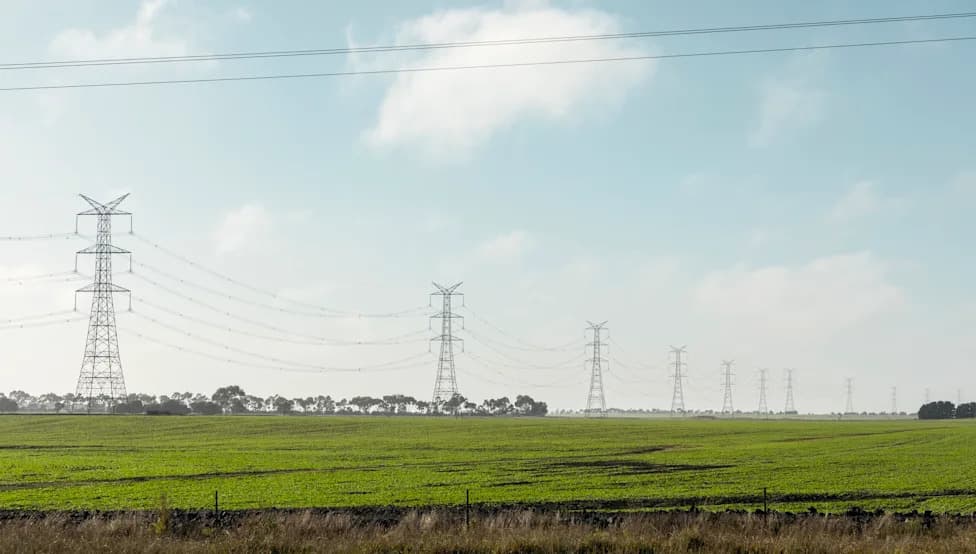
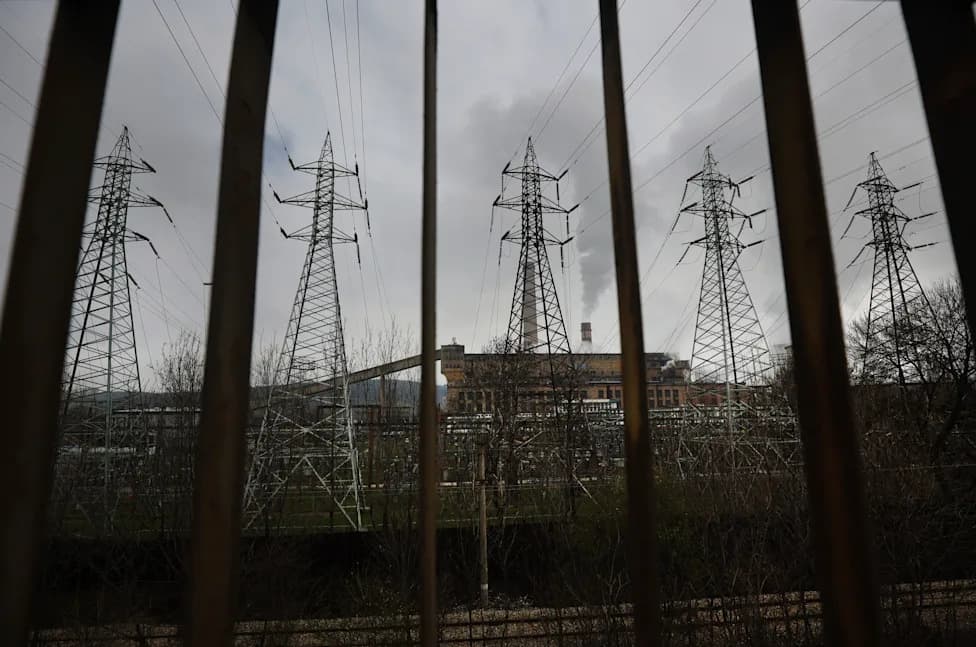
The UK is watching Australia’s experience with time‑based export charges—derisively called a "sun tax"—after midday solar gluts destabilised local networks there. Australia now has over four million solar homes and some states have introduced modest export levies to shift demand and fund grid upgrades. The UK has fewer panels but accelerating installations and emerging time‑varying export tariffs; wider home battery deployment is viewed as the main way to avoid punitive charges.
Could The UK Face An Australian-Style 'Sun Tax'? How Growing Solar Exports Are Forcing Grid Choices
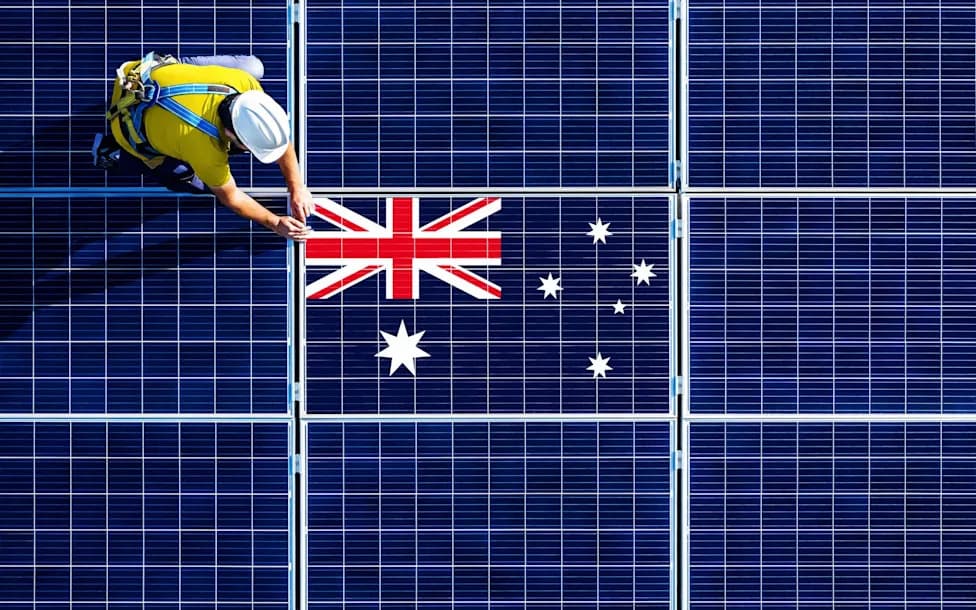
Illustration
For years, many homeowners with rooftop solar panels have been paid to export unused electricity back to the grid. Those incentives helped drive rapid uptake of domestic solar as governments sought to meet net‑zero targets. But in sun‑soaked countries such as Australia, a new problem has emerged: large midday surges of solar generation coinciding with low household demand can destabilise distribution networks and raise the risk of outages.
What Happened In Australia
Australia now has more than four million solar homes—roughly four in ten households—after a fast roll‑out that began in the early 2010s. The national market body, the Australian Energy Market Commission (AEMC), warned from about 2017 that rising distributed solar could cause reverse power flows and voltage issues on local networks.
In 2021 the AEMC proposed "two‑way pricing": higher rewards for exports at times of system need and charges for exports when the network is already oversupplied. Critics branded the approach a "sun tax". Two states—New South Wales and South Australia—have since implemented time‑based export charges, typically modest in size (Solar Citizens estimates around A$30, about £16, a year for the average solar household), but significant in principle.
Anna Collyer, AEMC Chair: "The purpose was to help more rooftop solar connect and export over time, not less. Without reform there would be either more constraints on solar exports or inefficient network investment paid for by all consumers."
Is The UK At Risk?
The UK has lower solar output overall and far fewer rooftop systems than Australia—around 1.7 million homes have solar panels today—but installations are accelerating. The Microgeneration Certification Scheme recorded more than 250,000 new solar installs in 2025, the highest annual total on record.
In April, the National Energy System Operator (Neso) warned it would need to use "more tools, more often" to keep the grid stable during sunny surges. That has prompted debate about whether time‑varying export prices or even explicit export charges could be used here in future.
Market Signals Rather Than A Direct Tax
So far the UK market is responding with time‑differentiated prices rather than government‑mandated export charges. For example, Octopus Energy’s new tariff raises export payments to 16p/kWh between 4pm and 7pm while lowering them to 9p/kWh at other times, increasing value at system peaks and reducing it during midday glut. The Smart Export Guarantee currently requires suppliers to pay for exported electricity, and the government says it has no plans to introduce a "sun tax."
Options To Avoid Punitive Measures
Experts say the clearest way to mitigate midday oversupply is wider deployment of battery storage, which captures excess generation for use later in the day. Jason Howlett of the Energy Storage Association notes that batteries can dramatically reduce household costs and grid stress. UK new‑build rules increasingly require solar on new homes, but batteries are not yet mandated in the same way.
What Homeowners Should Know
- Time‑of‑export pricing is already emerging: export value can vary by hour.
- Adding home battery storage or using smart export/tariff choices can maximise value and reduce exposure to lower export rates.
- Policy signals matter: changing subsidies or export rules can affect returns on installed solar and influence consumer confidence.
Outlook
Britain’s grid faces different meteorological and structural conditions to Australia’s, and ministers insist there are no plans for equivalent export charges. Nevertheless, as rooftop solar grows, regulators and suppliers are likely to rely more on time‑differentiated price signals and a faster roll‑out of storage to manage midday surpluses. The balance policymakers choose—between targeted network upgrades, price signals and mandated storage—will shape returns for homeowners and the resilience of the grid.
Help us improve.