The Lancet Countdown's 2025 SIDS report warns that climate change is deepening food insecurity across small island states. Among 26 SIDS studied, an estimated additional 2.7 million people faced moderate or severe food insecurity linked to more frequent heatwaves and droughts. Low incomes, import dependence, dismantled regional storage and insufficient climate finance worsen the crisis, with major health and economic impacts—especially for children. Experts call for increased climate finance and nature-based infrastructure to build resilient food systems.
Climate Change Is Driving Food Insecurity Across Small Island States, Lancet Report Warns
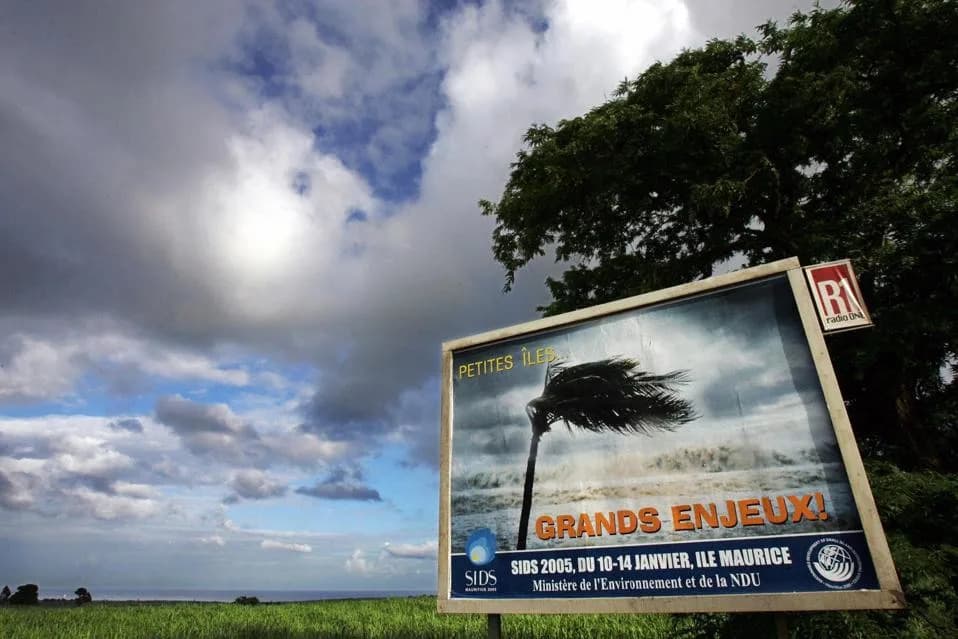
PORT LOUIS, MAURITIUS: A poster bearing the SIDS (Small Islands Developing States) Conference slogan "Small Islands-Big Stakes" is seen 11 January 2005 along a roadside in Mauritius. Mauritius is hosting a conference on small islands aimed at helping such vulnerable nations cope with natural disasters, climate change and other threats. AFP PHOTO/MARCO LONGARI (Photo credit should read MARCO LONGARI/AFP via Getty Images)AFP via Getty Images
A new analysis from the Lancet Countdown's 2025 Small Island Developing States (SIDS) report finds that climate change is disproportionately undermining food security across many of the world’s most vulnerable island nations.
Key Findings
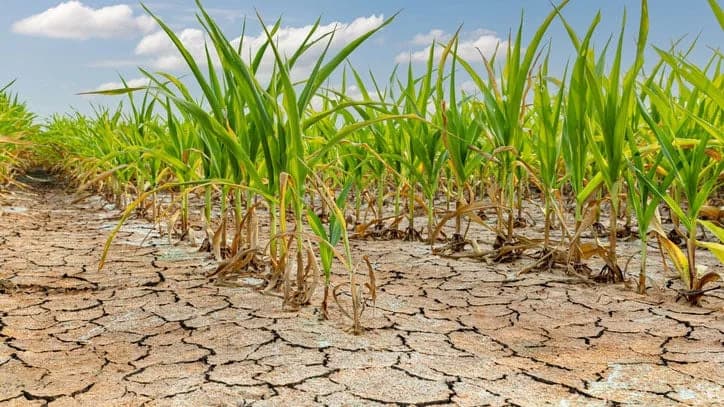
The report estimates that, among 26 SIDS assessed, an additional 2.7 million people experienced moderate or severe food insecurity as the frequency of heatwaves and droughts increased. The broader SIDS grouping — which includes about 30 countries and territories — shows that nearly 5% of the population has become food insecure as heatwaves and droughts grow more frequent.
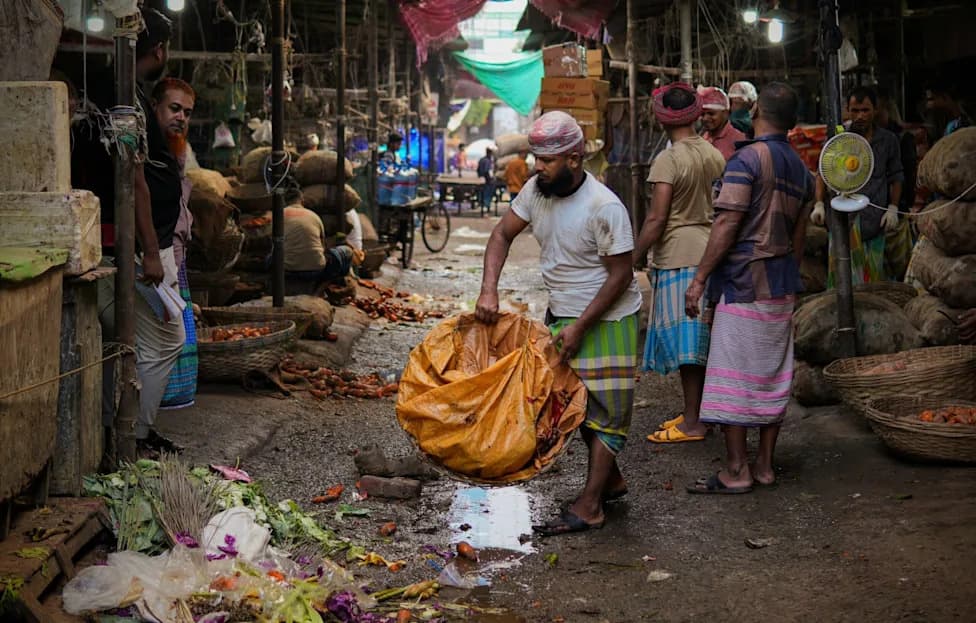
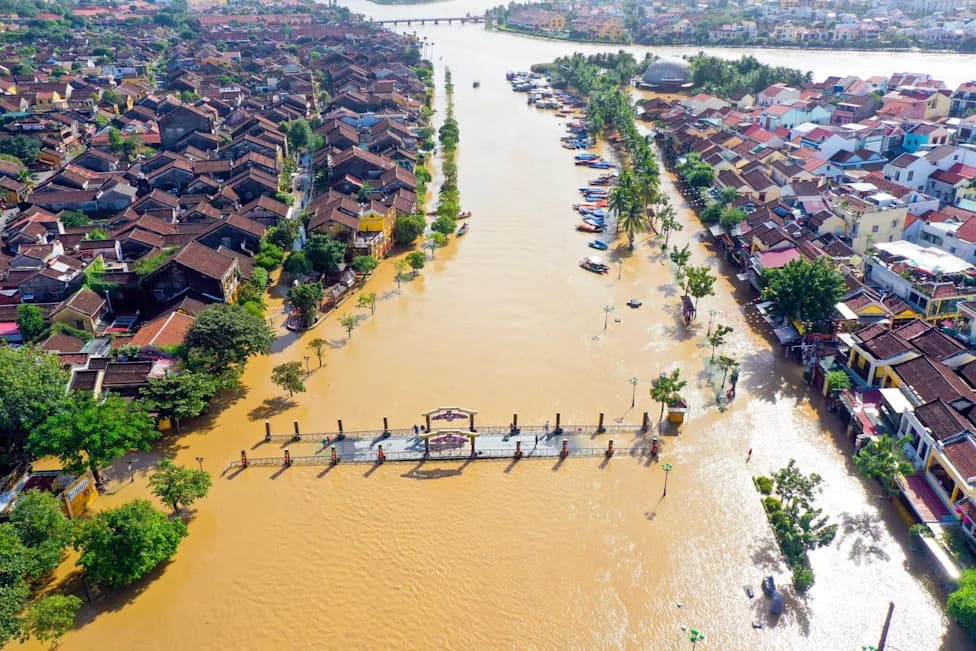
Small Island Developing States contribute under 1% of global greenhouse gas emissions yet face outsized exposure to sea-level rise, drought, floods and extreme weather events. Low-income households, and countries heavily dependent on food imports, are especially vulnerable.
Voices From The Report
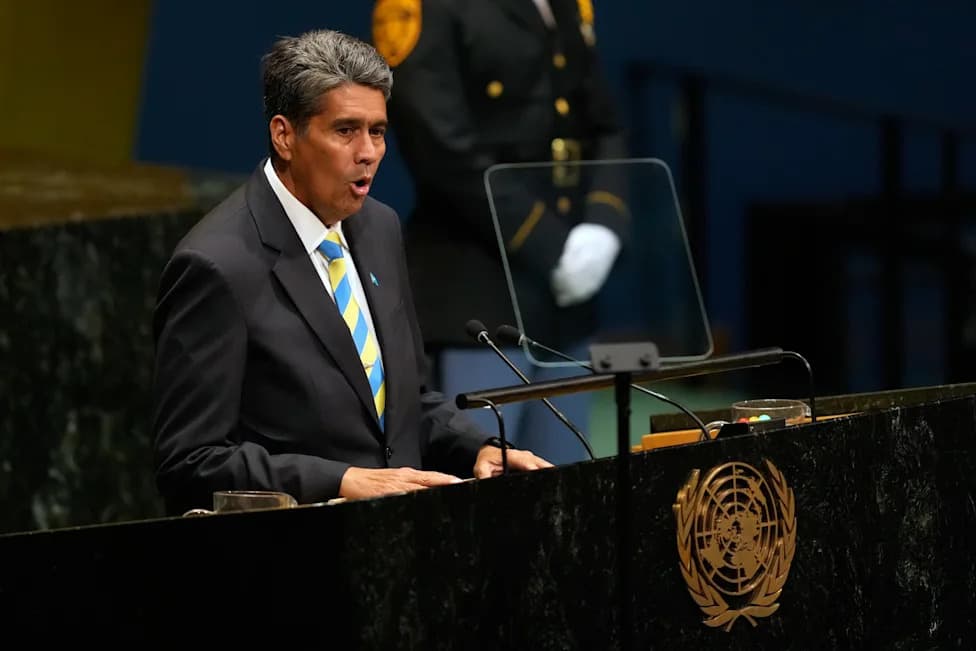
Dr. Shouro Dasgupta, report co-author and CMCC researcher, said these islands are among the planet’s most climate-vulnerable nations despite contributing a tiny share of global emissions. He warned that climate finance is inadequate to put small developing countries on a green growth pathway and highlighted that many SIDS rely on imports from countries that are themselves experiencing climate and geopolitical disruptions.
Dr. Samuel Sinclair, co-founder of sustainability consultancy Biodiversify, described the findings as an early warning: climate shocks increasingly translate into supply shocks when degraded ecosystems can no longer buffer extreme events. He urged investment in nature as critical infrastructure to build resilient supply chains.
Health And Economic Consequences
Using the FAO Food Insecurity Experience Scale (FIES), the report notes that about one-third of respondents in these countries reported they could not afford healthy, nutritious food. Experts warn that poor diets and malnutrition drive long-term health problems—especially in children—and reduce workforce productivity, harming broader economic prospects.
What Needs To Be Done
Recommended steps include scaling up climate finance for SIDS, restoring and protecting ecosystems, rebuilding regional food storage and distribution infrastructure, diversifying and localizing food production, and investing in nature-based and climate-resilient supply chains.
Bottom line: Small island states are already experiencing the food-security consequences of a warming world. Addressing the crisis requires coordinated international finance, nature-based solutions and stronger local food systems to reduce vulnerability and protect livelihoods.
Photo credit: MARCO LONGARI/AFP via Getty Images (as in the original reporting).
Help us improve.