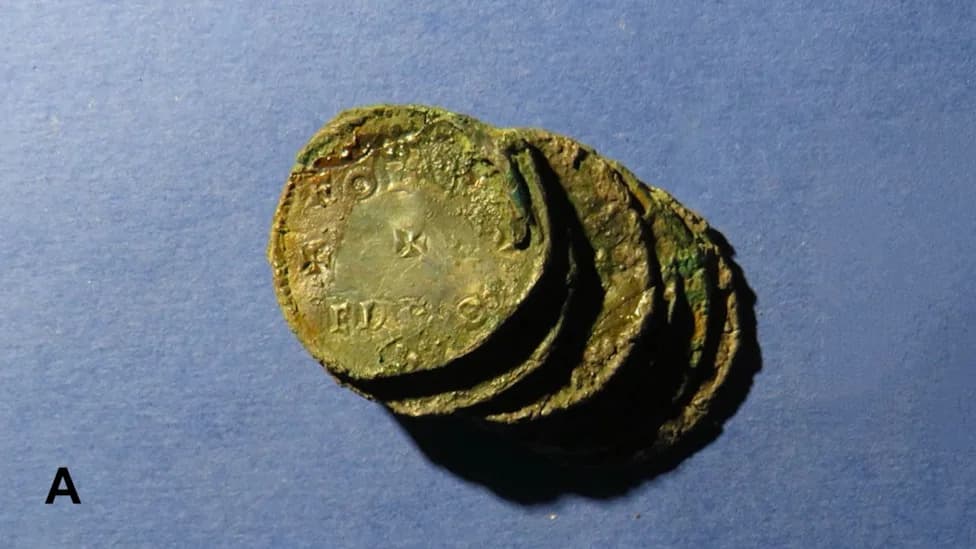
Archaeologists excavating trial trenches for the East West Rail project in Bedfordshire and Cambridgeshire have unearthed a rare Roman coin dated to 287 AD bearing the name of the usurper Carausius. The team has recovered other Roman material, including a 2nd-century coin, and a Late Iron Age rilled jar dated to about 50 BC–50 AD. The archaeology programme will investigate roughly 6,000 sites over two years; recovered objects will be cleaned, analysed, catalogued and added to the archaeological archive.
Rare 1,740-Year-Old Roman Coin Depicting Breakaway Emperor Carausius Found During East West Rail Excavations
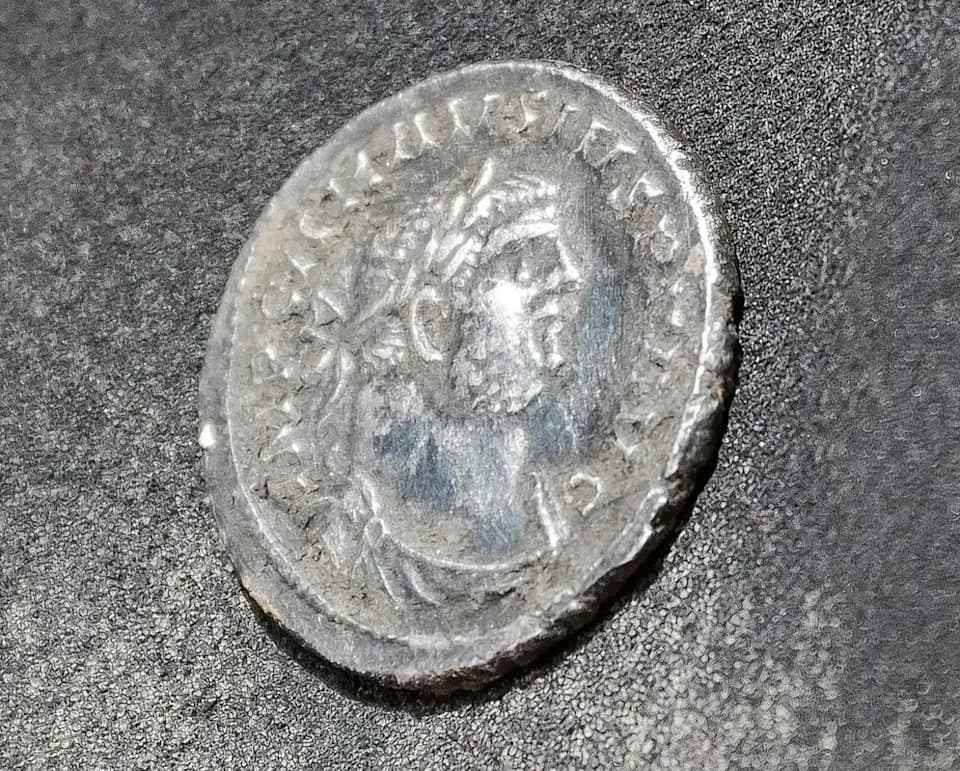
A Roman coin from 287AD with an image of Carausius (East West Rail)
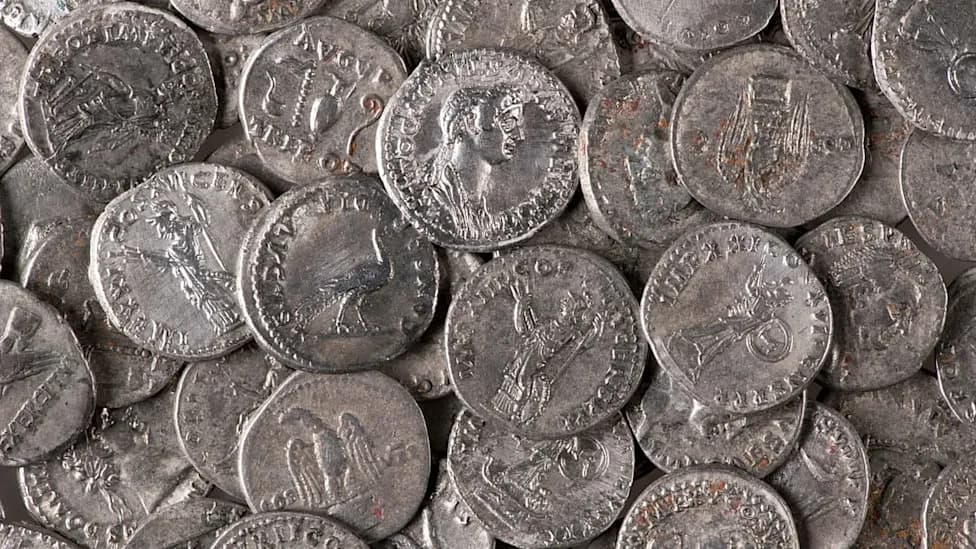
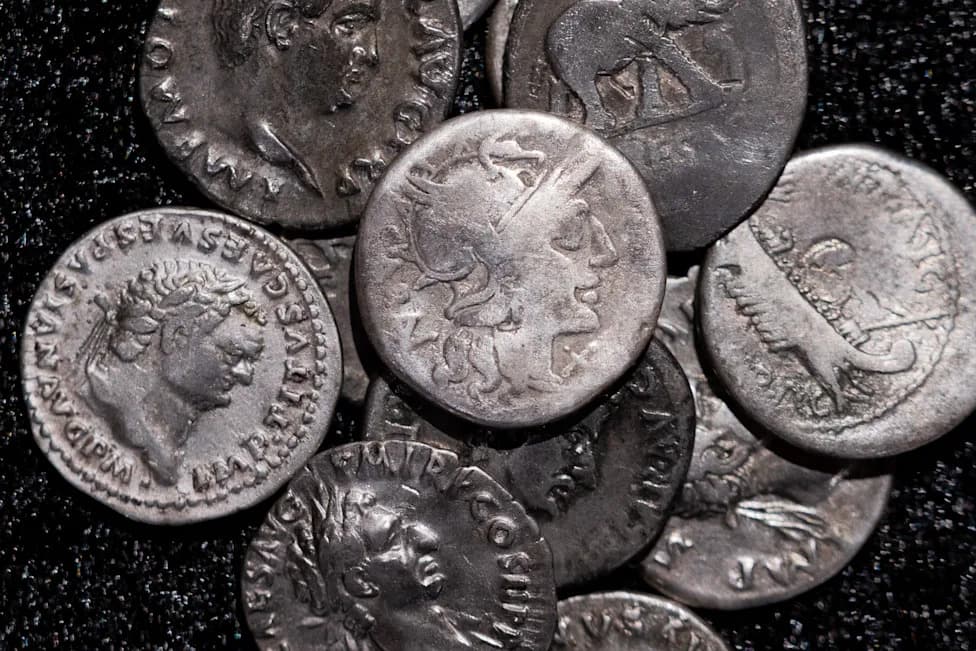
Archaeologists working on preparatory excavations for the East West Rail project in eastern England have uncovered a rare Roman coin dated to 287 AD bearing the name and image of the usurper Carausius. The find was made during targeted investigations across trial trenches in Bedfordshire and Cambridgeshire as teams map and record the route ahead of the new rail link between Oxford, Bedford and Cambridge.
So far, excavators have opened about 1,000 trial trenches and recovered a range of ancient material, including multiple Roman coins, pottery fragments and a Late Iron Age rilled jar. The Carausius coin is estimated to be around 1,740 years old and is a particularly notable addition to the recovery.
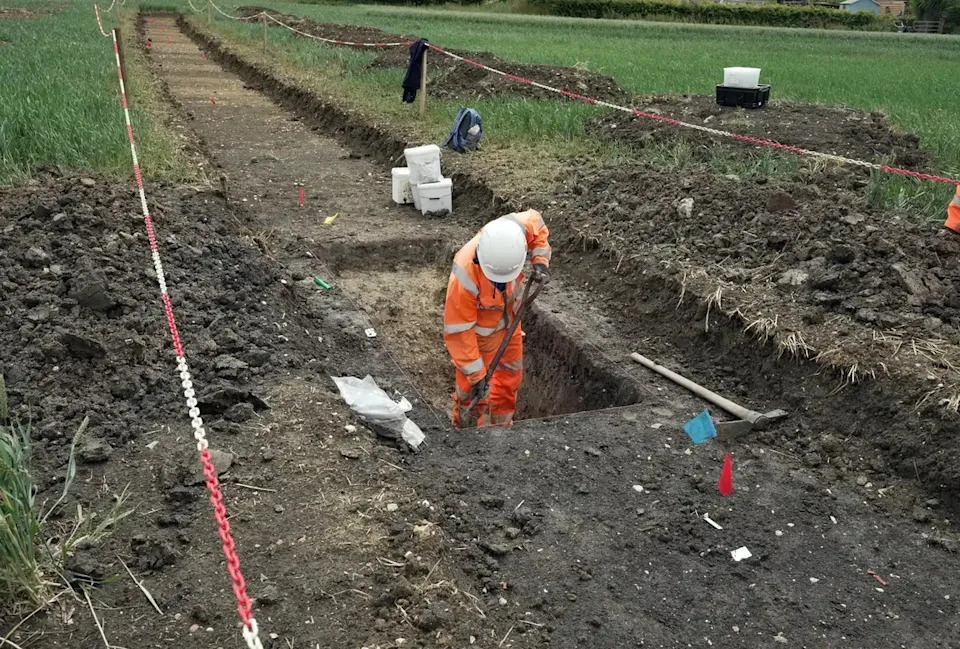
Trench digging for archaeological excavations (East West Rail)
Who Was Carausius?
Carausius commanded the Roman fleet in the English Channel, the Classis Britannica. Accused of misappropriating treasure seized from pirates and threatened with execution by Emperor Maximian, he fled to Britain. There he proclaimed himself emperor of Britain and parts of northern Gaul, founding a short-lived independent regime that lasted from 286 AD until his assassination in 293 AD by his finance minister, Allectus.
Other Finds
Among other discoveries is a second Roman coin dated to the 2nd century, thought to have been struck under Antoninus Pius or Marcus Aurelius. Excavators also recovered a handmade rilled jar from the Late Iron Age, dated between about 50 BC and 50 AD, made from a fine fabric tempered with shell and grog.
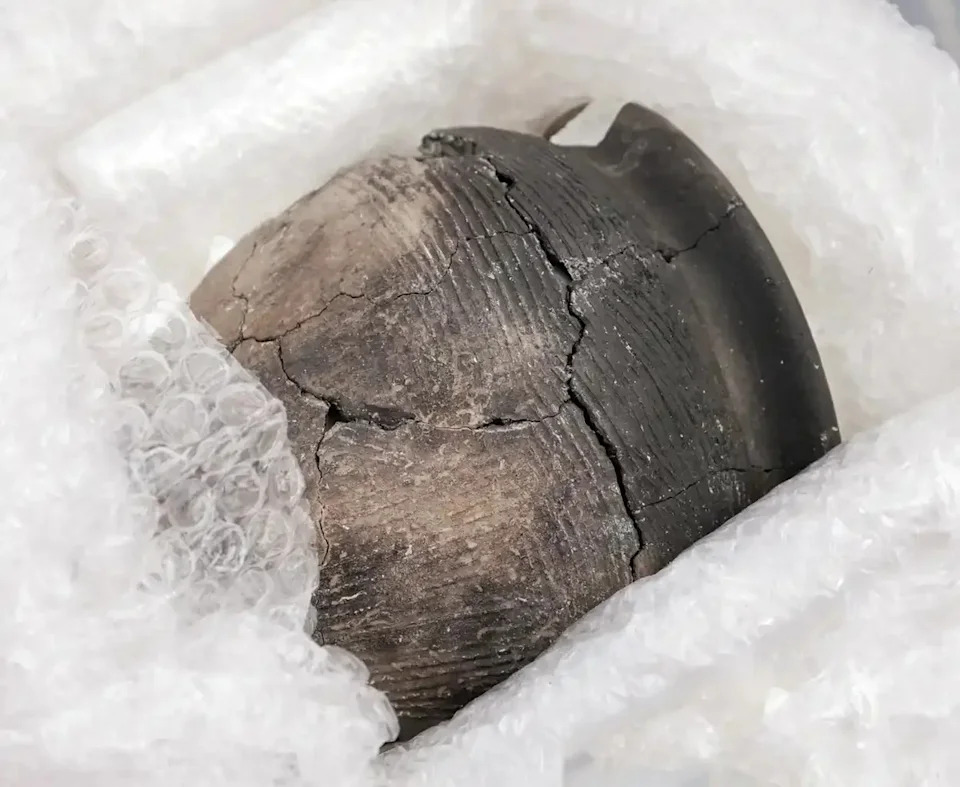
Roman vase (East West Rail)
'When you're excavating these features, you're often the first person to see them in 2,000 years, sometimes even longer, which is a really special feeling. It's pretty amazing,' said Joss Piper-Jarrett, archaeology survey manager.
The broader East West Rail archaeology programme plans to investigate roughly 6,000 locations along the route over the next two years. 'By carrying out targeted investigations informed by detailed surveys, we can reduce unnecessary disturbance and ensure we take a careful approach to both the environment and the communities around us,' said programme manager Jorn Pace.
Next Steps for the Finds
After fieldwork concludes, all recovered artefacts will be cleaned, analysed, recorded and catalogued before being deposited in the archaeological archive for long-term study and preservation. These steps will help researchers build a richer picture of the people and activities that once shaped the landscape along the new rail corridor.
Help us improve.