Ric Bienstock returns to university campuses to document how debate on race, language and gender became increasingly polarised. From Evergreen State College in 2017 to campus protests after October 7, 2023, educators who challenged prevailing views — including Bret Weinstein, Erec Smith, Kathleen Stock and Carole Hooven — faced professional and personal consequences. Bienstock argues that silencing dissent and enforcing ideological conformity have damaged academic freedom, and that laws alone cannot restore a culture of open inquiry.
When Universities Silent Debate: How Campuses Lost Their Way — From Sandals To Censure
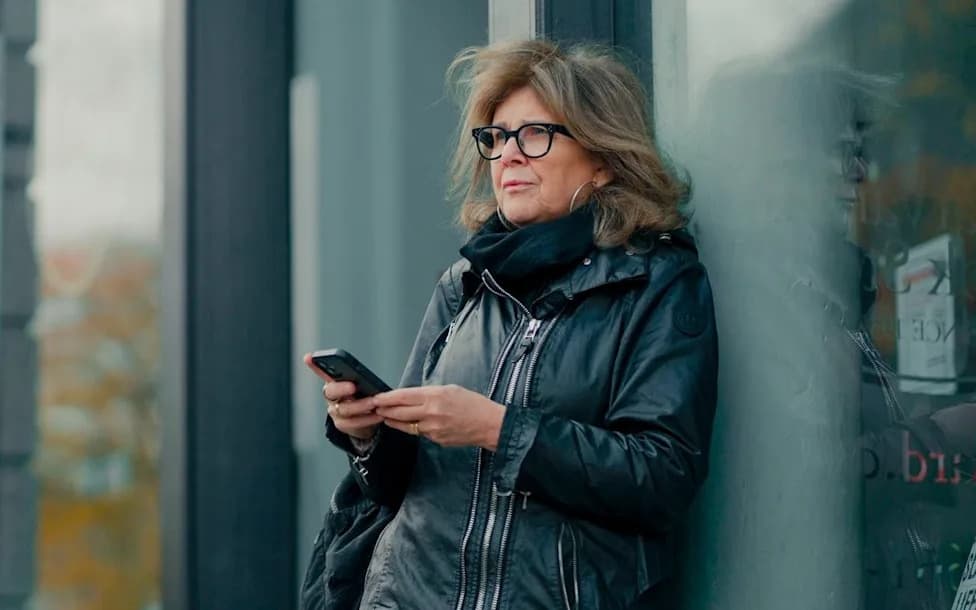
The filmmaker Ric Bienstock explored divisions on university campuses for a new BBC documentary series, Speechless - BBC/Good Soup Productions
My daughter's hesitation to wear a pair of embroidered Chinese sandals made me realise something had shifted. When I asked why she avoided them, she said, 'I just feel like there's a chance I'll offend someone.' In that moment I saw a generation learning to self-censor, where even the pattern on a shoe feels politically charged.
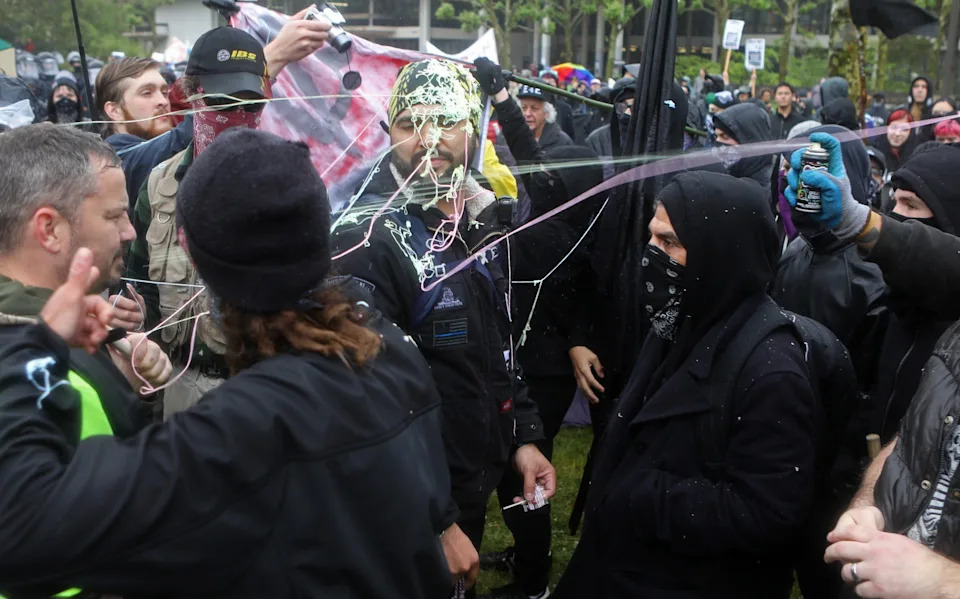
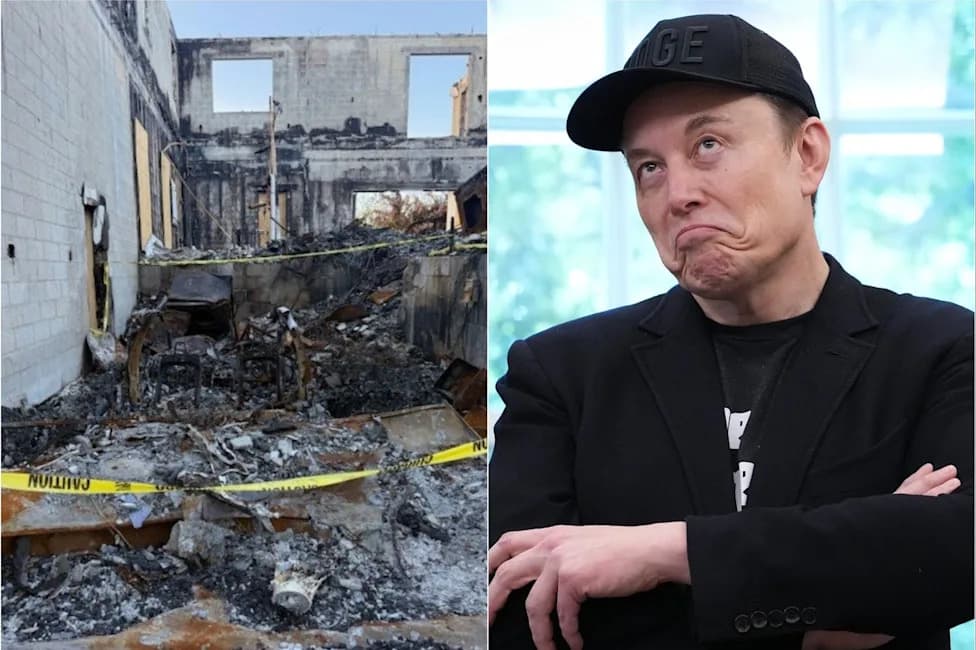
Counter-protesters sprayed Silly String on Right-wing demonstrators on the campus of Evergreen State College in June 2017 - Jim Urquhart/New York Times/Redux/Eyevine
Why I Went Back To Campus
Both my children were approaching higher education and I wanted to understand the world they were entering. My career as a documentary filmmaker has taken me to Ebola outbreaks, human trafficking rings and illicit organ markets — but nothing prepared me for campus life in the late 2010s and early 2020s.
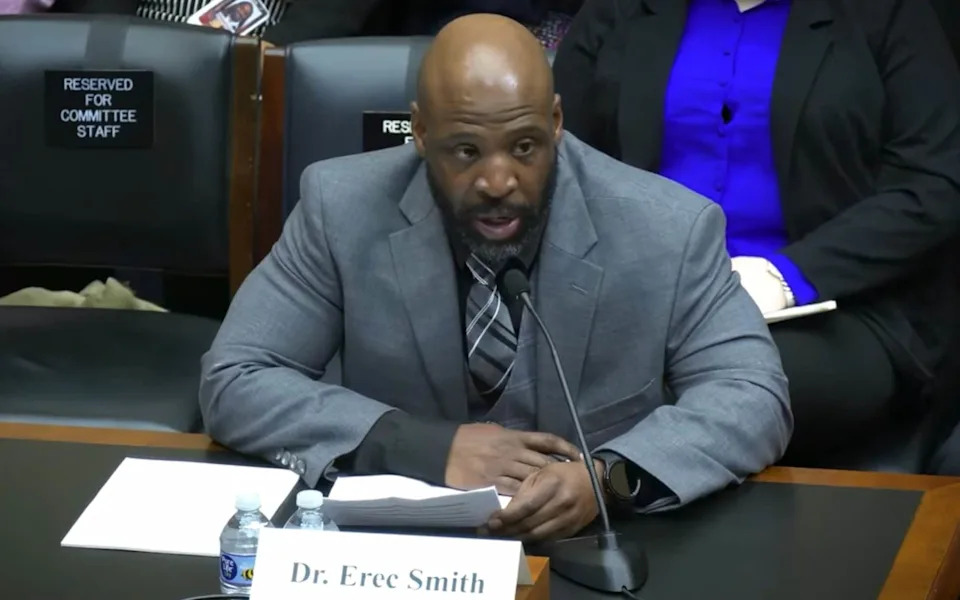
Prof Erec Smith's belief that students should be taught standard English put him in conflict with colleagues at York College of Pennsylvania
After footage of protests at Evergreen State College in 2017 circulated online, I flew from Toronto to Washington state. I found a campus in open conflict over race, identity and who had the right to speak. Professor Bret Weinstein ignited outrage when he criticised changes to Evergreen's "Day of Absence" — arguing that no one's right to be on campus should depend on skin colour. His refusal to comply sparked angry confrontations and set the tone for what followed.
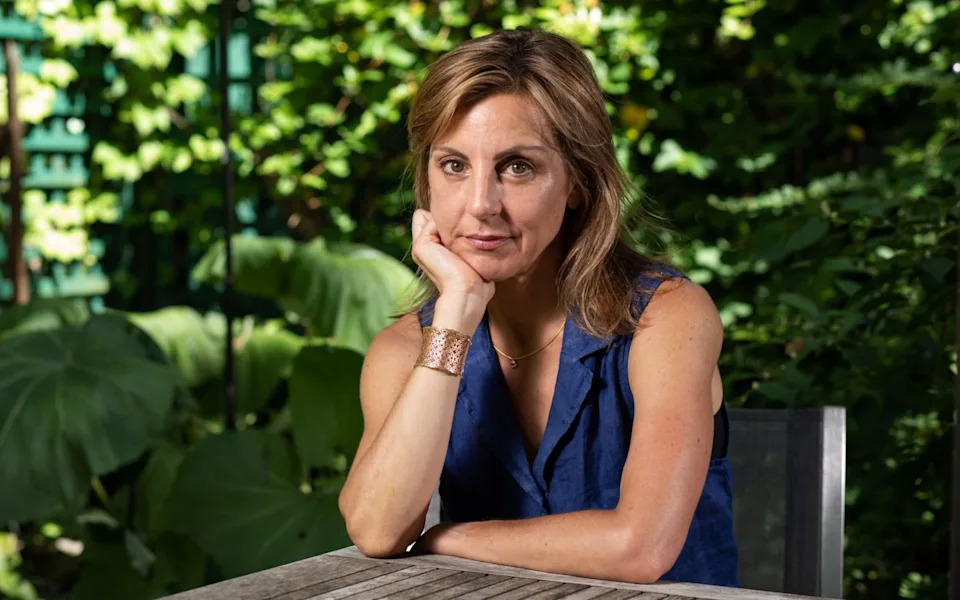
Carole Hooven's position at Harvard unravelled after she expressed mainstream views on gender and sex - Jake Belcher
From Disagreement To Delegitimisation
Within days of my arrival, a student told me — almost apologetically — that I was a 'white supremacist.' I am a Jewish woman whose mother survived Auschwitz; that label jarred. The student explained it was not about intent but about the systems a person benefits from. In that logic, identity trumped argument.
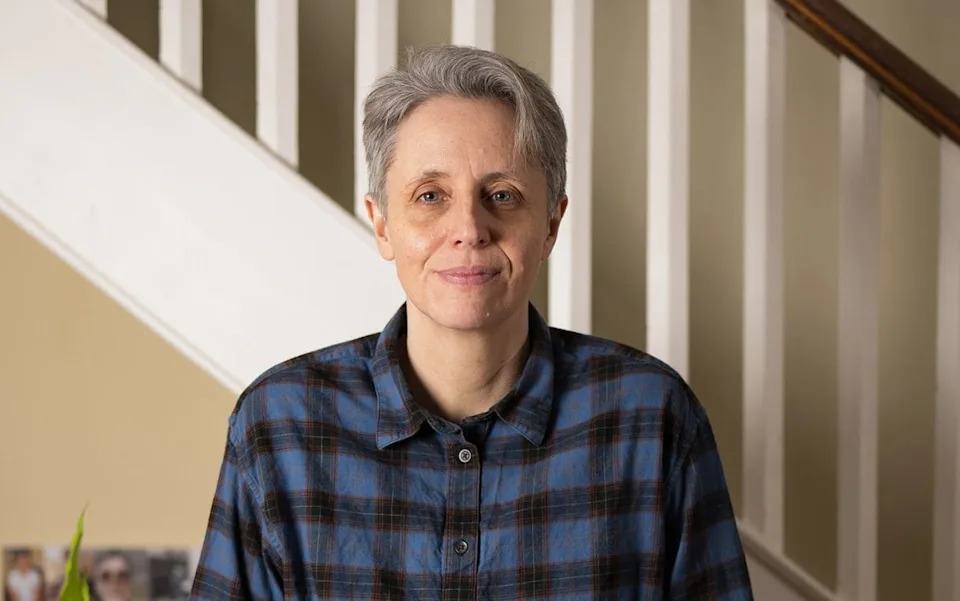
Kathleen Stock left her job as a philosophy professor at the University of Sussex in 2021 after a student campaign accusing her of transphobia - Christopher Pledger for The Telegraph
Across North America and the UK I repeatedly saw complex issues collapse into ideological certainty. Terms were redefined: 'white supremacy culture' came to describe traits such as perfectionism and objectivity in some academic circles, while 'safe spaces' sometimes meant shelter from challenging ideas rather than protection from physical harm.
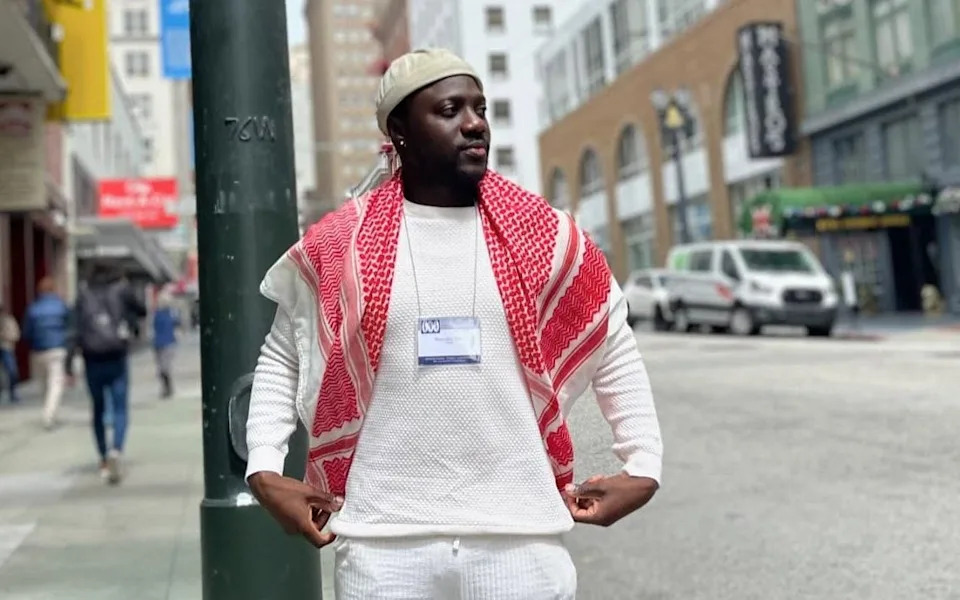
In an interview, a pro-Palestinian doctoral student named Momodou Taal said he hoped to make other students 'more radicalised' - Instagram/thegambian
Voices That Were Silenced
In the BBC series Speechless I spoke with educators who paid a price for dissent. Erec Smith, a Black rhetoric professor at York College of Pennsylvania, defended teaching standard English and was accused by colleagues of upholding the language of 'white supremacy' and even of suffering Stockholm syndrome. Tabia Lee, hired as faculty director for equity and social justice at De Anza College, was mocked for 'white-speaking' when she suggested basic administrative practices and was later dismissed for allegedly opposing the college's stance on equity.
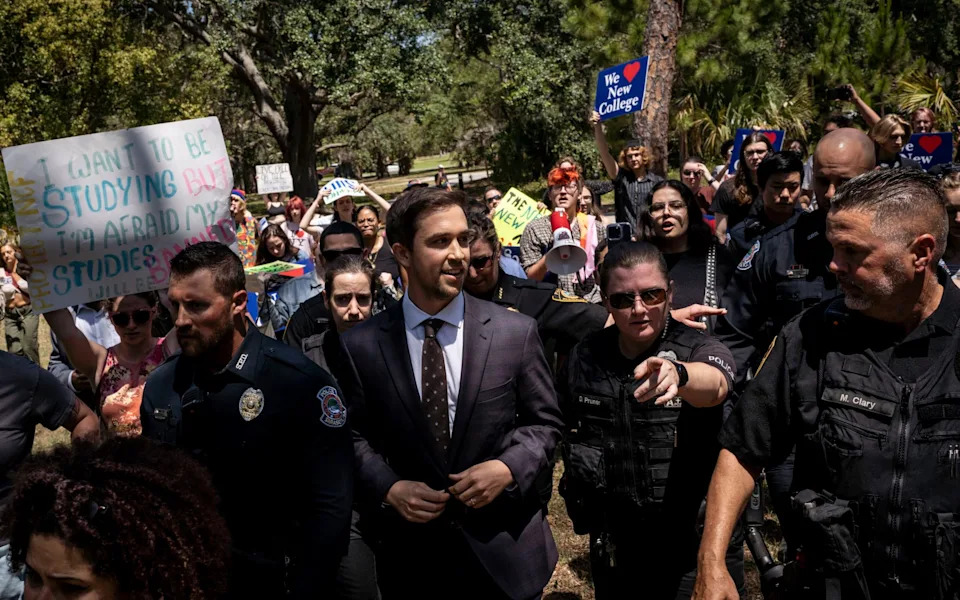
The conservative activist Christopher Rufo got the Trump White House's attention for taking issue with DEI initiatives at public institutions such as universities - The Washington Post
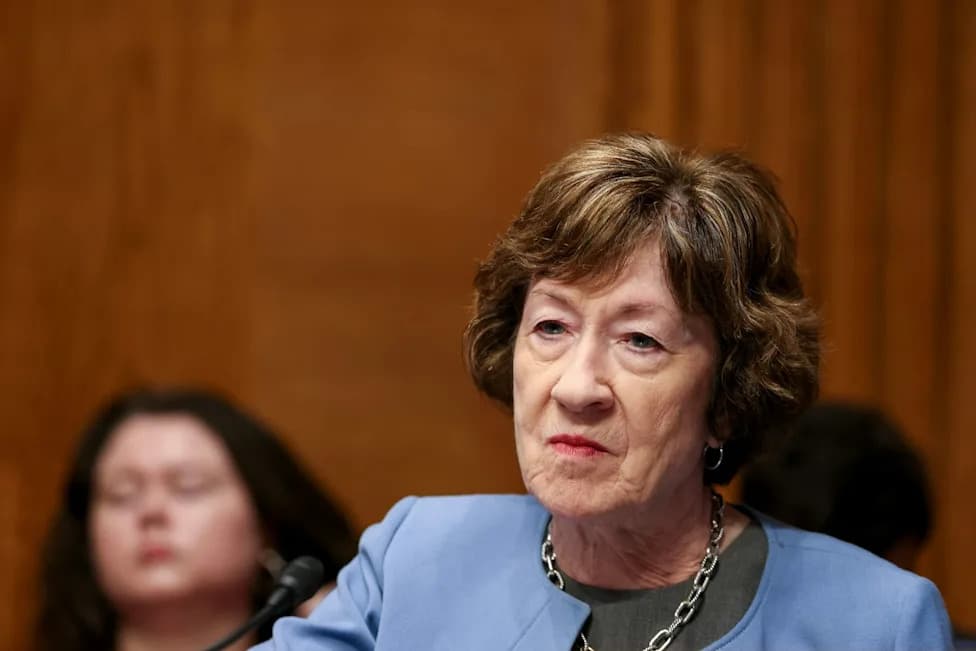
Carole Hooven, a Harvard evolutionary biologist who stated the mainstream scientific view that biological sex is binary while acknowledging gender as a spectrum, faced accusations of transphobia and severe professional consequences. In the UK, philosopher Kathleen Stock resigned amid student campaigns that targeted her gender-critical views rather than engaging them in debate.
Polarisation Intensified
Events around George Floyd in 2020 and the aftermath of October 7, 2023, deepened campus polarisation. I interviewed Momodou Taal, a doctoral student at Cornell and a vocal pro-Palestinian organiser, who described Zionism as a form of racism and admitted the movement sought to radicalise other students. At the same time, Jewish students reported feeling more vulnerable on some campuses than transgender students, and there were filmed incidents of anti-Jewish abuse.
DEI (diversity, equity and inclusion) initiatives, which began with the laudable goal of expanding access for marginalised groups, sometimes shifted toward enforcing ideological conformity. That change invited a political backlash: conservative activist Christopher Rufo exposed controversial diversity training programmes, drawing the attention of the Trump administration. When Donald Trump returned to the White House in January 2025, federal DEI programmes were cancelled, research funds were frozen and some student visas were revoked. Many observers — including me — believe the response overreached and harmed academic research broadly.
What Has Been Lost — And What Might Restore It
One lesson from documenting these conflicts is that tools of silencing, once deployed, are difficult to control. Universities now grapple with the consequences. England has introduced a free-speech complaints system with financial penalties for institutions that fail to protect debate, but laws cannot by themselves repair a culture that rewards humiliation and exclusion.
Universities should be places where difficult ideas can be interrogated without fear of career damage. Teaching students that disagreement equals violence and discomfort equals harm weakens critical thinking. I keep thinking of my daughter's sandals: she is far from alone in her caution. A culture of fear is no foundation for a healthy democracy.
Ric Bienstock is a Canadian documentary filmmaker, multiple Emmy winner and BAFTA nominee, and director of the BBC series Speechless, now streaming on BBC iPlayer.
Help us improve.