LPT told the Lampard Inquiry it trialled Oxevision, a contactless bedroom monitoring system, twice but chose not to adopt it after finding few operational benefits and significant consent and privacy concerns. The pilots ran in Dec 2022–Feb 2023 (opt-out) and Nov 2024–Jan 2025 (opt-in with weekly consent checks); only 42% consented in the second trial. While some patients slept better, the trust recorded no reduction in one-to-one observations, staff time saved, incidents or length of stay. The ICO is investigating Oxehealth, and campaigners warn the technology can undermine dignity and psychological safety.
Trust Drops Controversial Bedroom Monitoring After Trials; Privacy, Consent and Effectiveness Questioned
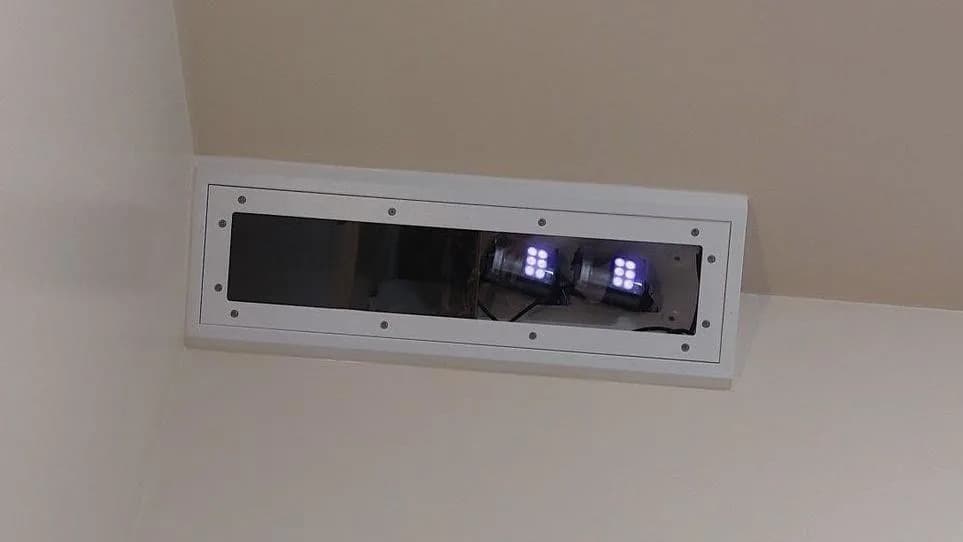
Oxevision is a remote monitoring system, which can can track patients' pulse rates, breathing rates and take images [BBC]
Leicestershire Partnership Trust (LPT) has defended its decision to stop using a contactless bedroom monitoring system after two pilot trials, telling the Lampard Inquiry in London that the technology did not deliver clear operational benefits and raised consent and privacy concerns.
Background
The inquiry is examining more than 2,000 deaths of people who were under the care of Essex mental health services between 2000 and 2023. LPT told the inquiry it trialled the camera- and infrared-based system, commercially known as Oxevision and developed by Oxehealth, but ultimately decided not to adopt it for routine use.
Pilot Details And Findings
LPT ran two pilots: the first from December 2022 to February 2023 using an opt-out model, and a second from November 2024 to January 2025 that used an opt-in model following NHS England guidance. Consent was revisited weekly during the second pilot, but only 42% of patients agreed to use the system in that round.
While staff reported improved sleep hygiene for some patients, the trust found no measurable reduction in one-to-one observations, no demonstrable release of staff time, and no fall in recorded incidents or length of stay. The inquiry also heard distressing examples: one pregnant patient repeatedly refused to sleep in a bedroom fitted with the system and instead stayed in an interview room, even when staff switched the device off.
Concerns Around Privacy, Consent And Patient Experience
Campaign group Stop Oxevision raised strong objections to continuous bedroom recording, arguing it undermines patients' dignity and psychological safety. Rose Powell of Stop Oxevision told the inquiry that constant surveillance in bedrooms is unacceptable for people recovering from mental illness and can leave some patients feeling neglected if monitoring replaces in-person checks.
We do not believe anyone should face continuous surveillance in their bedroom, especially those trying to recover from mental illness. Some patients reported feeling neglected when technology was used instead of staff visits. — Rose Powell, Stop Oxevision
Regulatory And Sector Responses
The Information Commissioner's Office (ICO) has confirmed it is investigating Oxehealth; it declined to comment further while the investigation is live. NHS England has emphasised that any vision-based monitoring must support a human-rights-based approach and comply with legal requirements, including clear consent from patients and families.
Oxehealth defended its product, saying it plays a vital role in supporting safer inpatient mental health care and citing data from one trust where the system reportedly helped staff respond to 1,453 safety incidents over four years. By contrast, Derbyshire Healthcare NHS Foundation Trust told the inquiry it uses contactless monitoring in nine of its 11 inpatient units and plans full roll-out by 2027, describing the technology as an individualised aid to reduce unnecessary night-time disturbances.
Trust Decision
LPT concluded the system did not deliver the expected operational benefits and presented ethical and acceptability challenges, particularly given the low uptake of the second pilot and concerns raised by patients and campaigners. For those reasons, the trust decided not to adopt the technology for routine use.
What This Means: The case highlights the tensions between safety-oriented digital monitoring and patients' privacy, consent and psychological wellbeing. It also underscores the importance of robust evidence that such systems provide measurable operational and clinical benefits before wider rollout.
Help us improve.