German Foreign Minister Johann Wadephul visited Abuja to prioritize talks on regional security and stability, meeting ECOWAS president Omar Alieu Touray and holding bilateral talks with Nigeria's FM Bianca Odumegwu-Ojukwu. Nigeria, with over 240 million people, faces a severe security crisis and economic strain under President Bola Tinubu, who is seeking re-election in early 2027. Despite being Africa's largest oil producer, the country grapples with poverty, high inflation and weak infrastructure, driving significant internal and external migration.
German Foreign Minister Visits Abuja to Press ECOWAS and Nigeria on Security and Stability
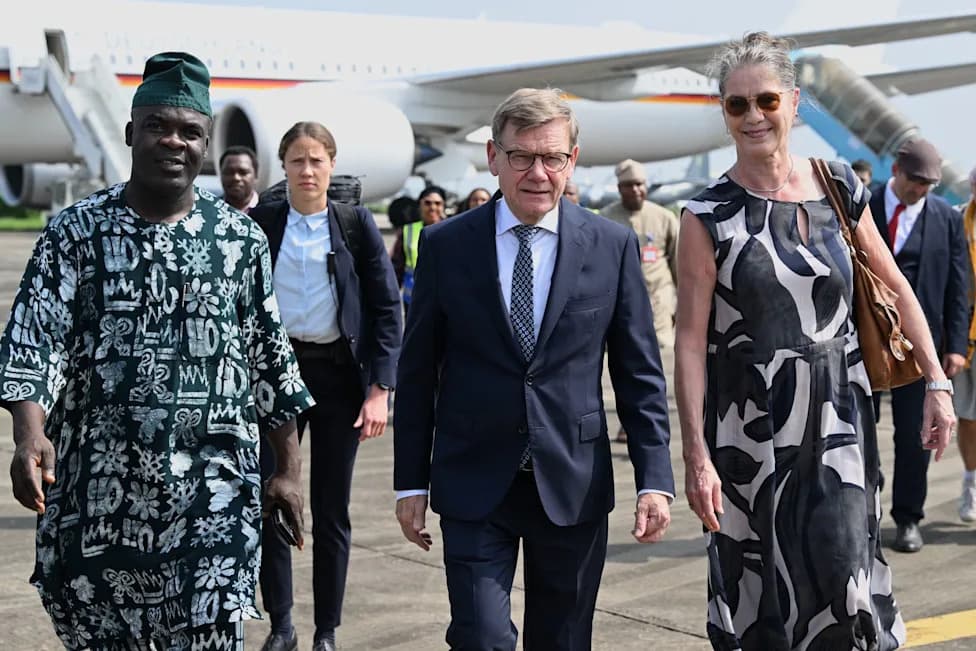
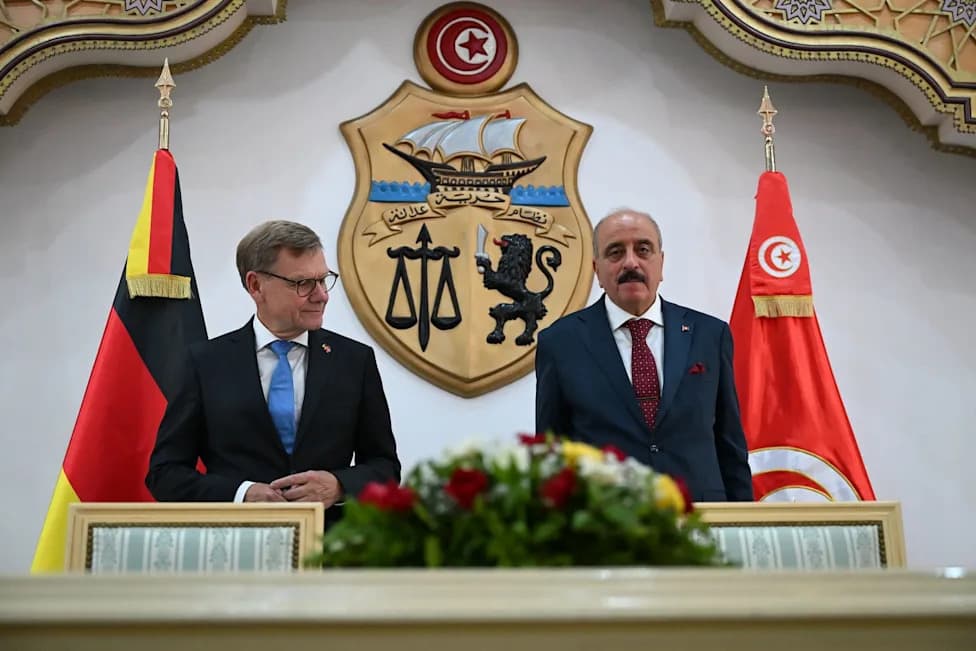
German Foreign Minister Johann Wadephul (2nd R) arrives at Murtala Muhammed International Airport alongside German Ambassador Annett Guenther (R). (is associated with: «German foreign minister in Nigeria for ECOWAS and bilateral talks») Soeren Stache/dpa
German Foreign Minister Johann Wadephul continued his Africa tour in the Nigerian capital, Abuja, on Wednesday, placing international security and regional stability at the top of his agenda.
Wadephul began with talks with Omar Alieu Touray, president of the Economic Community of West African States (ECOWAS), and was scheduled to hold bilateral discussions with Nigeria's foreign minister, Bianca Odumegwu-Ojukwu. The meetings are expected to focus on cooperation to address security threats, support stabilization efforts and coordinate humanitarian responses.
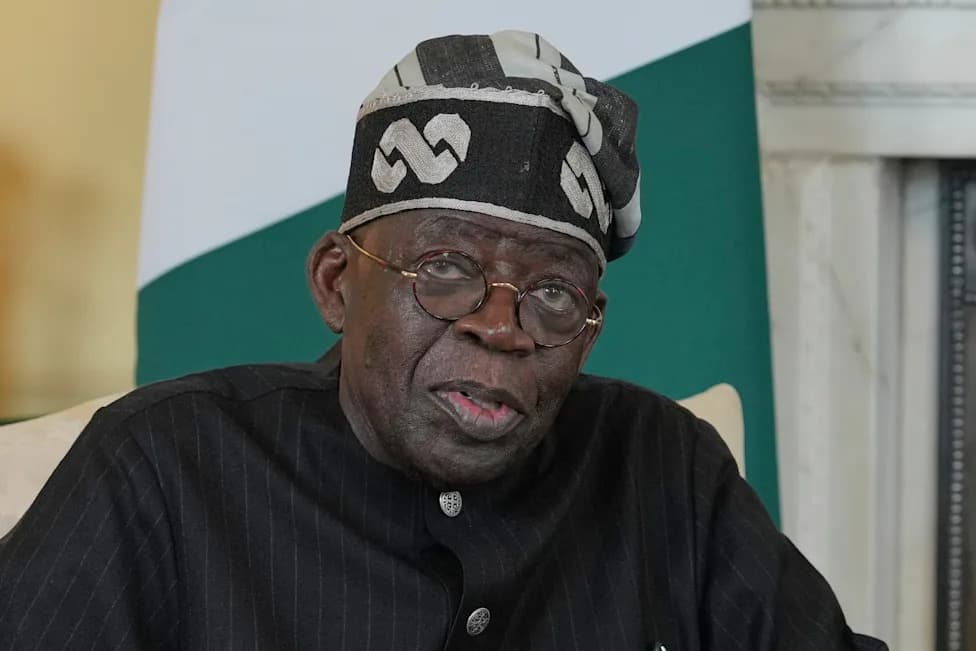
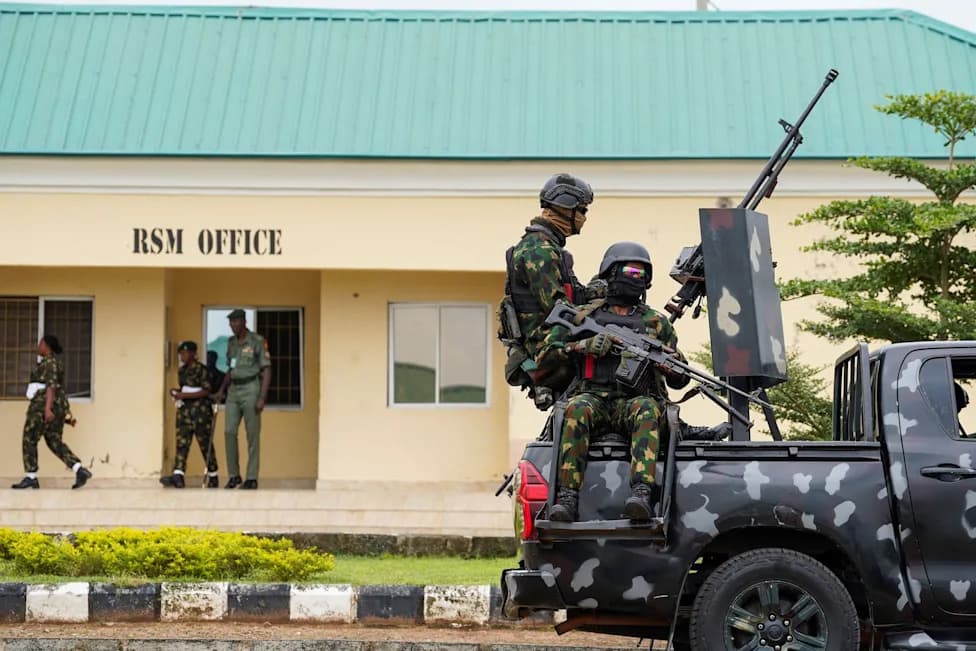
Nigeria, home to more than 240 million people, is Africa's most populous nation and one of its largest economies. President Bola Tinubu, 74, who is preparing a re-election bid for early 2027, faces a deep and persistent security crisis that claims thousands of lives each year, alongside serious economic pressures including high inflation and widespread poverty.
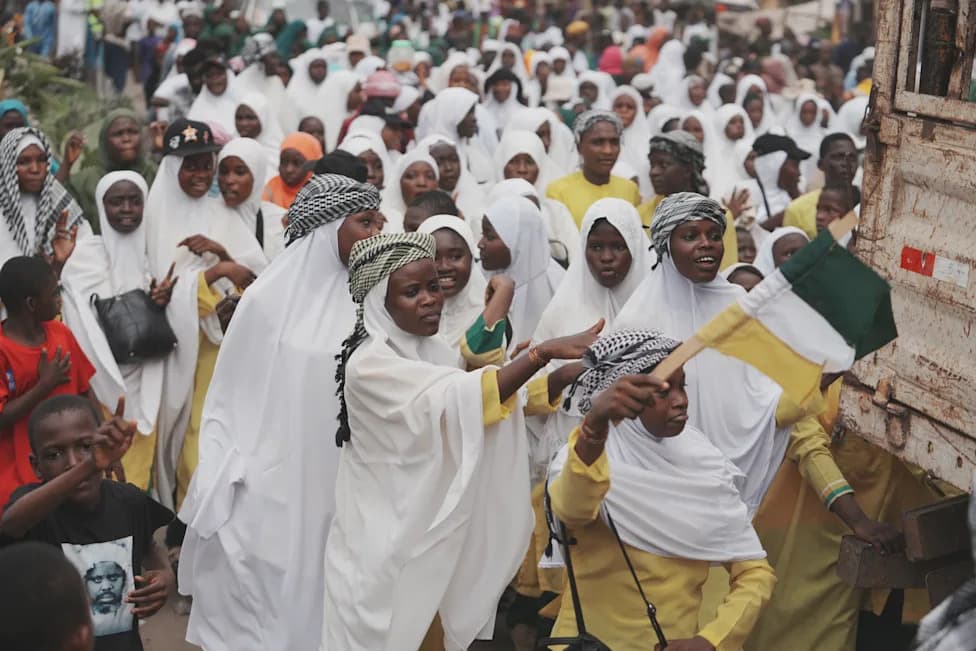
Although Nigeria is the continent's largest oil producer and relies heavily on crude export revenues, many citizens continue to struggle with rising prices, inadequate infrastructure and limited job opportunities. These conditions have driven significant internal migration and prompted many to consider leaving the country; a representative 2024 survey found that more than half of Nigerians have contemplated emigration.
The country is roughly two and a half times the size of Germany and features stark regional contrasts—from the commercial hub of Lagos and the oil-rich Niger Delta in the tropical south to the arid Sahel in the north. Desertification, rising temperatures and persistent violence in the northern regions further constrain development and deepen regional inequalities.
Germany's engagement with ECOWAS and Nigerian authorities signals a focus on supporting conflict resolution, humanitarian assistance and measures to strengthen governance, economic resilience and migration management. Wadephul's visit underscores Berlin's interest in multilateral cooperation to promote stability across West Africa.
Help us improve.