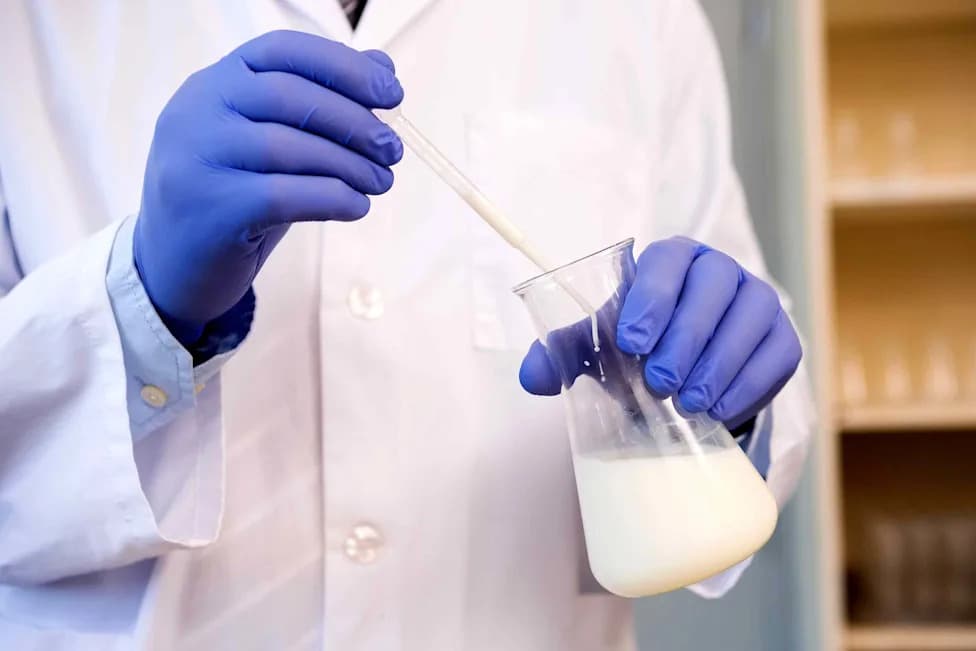
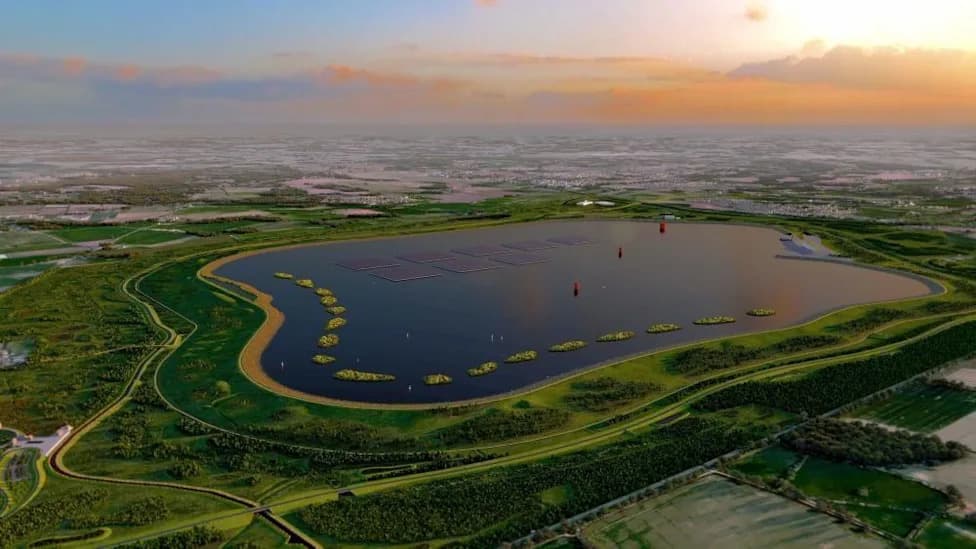
The Cleddau rivers in Pembrokeshire are among Wales’ most polluted protected waterways due to excess phosphorus from intensive dairy farming. Lancaster University found a surplus of about 360 tonnes of phosphorus annually and estimates that better use of livestock manures could save farmers about £1.08m a year. First Milk and hundreds of farms are trialling farmgate nutrient footprints and satellite risk maps to guide fertiliser and slurry spreading, with findings presented at the Royal Welsh Agricultural Show.
How Pembrokeshire Farmers Could Clean the Cleddau Rivers — And Save Over £1m a Year
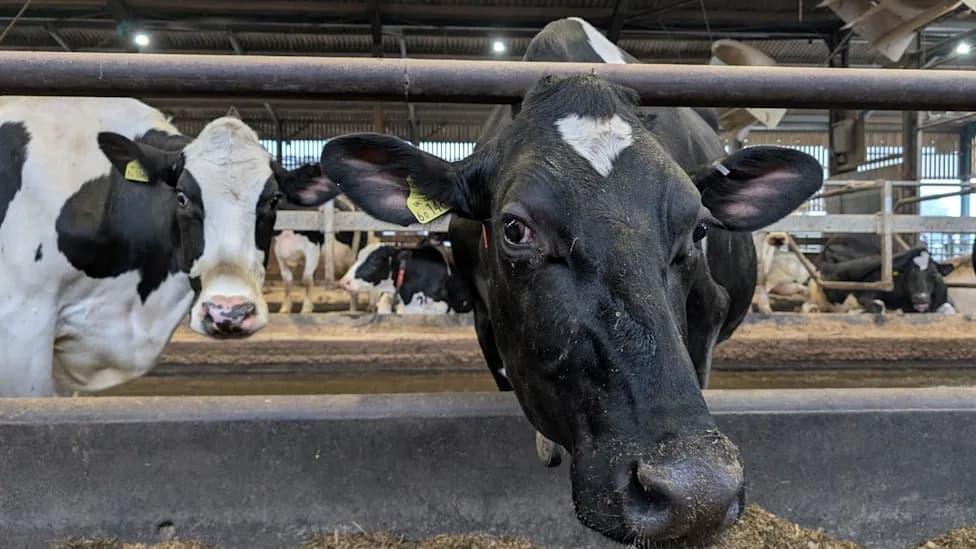
A study found Pembrokeshire's farmers could save £1m a year on fertiliser, while helping improve water quality [BBC]
New research shows that farmers in Pembrokeshire could play a decisive role in restoring the Cleddau rivers — some of Wales’ most polluted protected waterways — while cutting their input costs. The eastern and western Cleddau flow through intensive dairy farmland that produces up to 25% of Wales’ milk, but excess phosphorus from fertiliser and processed animal feed has built up in soils and is washing into rivers.
What the Study Found
Researchers from Lancaster University’s RePhoKUs team, commissioned by The Cleddau Project and the Welsh government's West Wales Nutrient Management Board, analysed all phosphorus entering the catchment and compared it with phosphorus leaving in milk, cheese and other products. They concluded that farms generate an annual surplus of roughly 360 tonnes of phosphorus — the equivalent weight of about 26 double-decker buses — that remains in the land and can leach into waterways for decades.
Why This Matters
Elevated nutrient levels — particularly phosphorus — fuel algal blooms that deplete oxygen and damage aquatic life. Natural Resources Wales has identified the Cleddau catchment, which includes sites designated as Special Areas of Conservation (SACs), as one of the country’s poorest-performing protected water systems. The water-quality decline has become serious enough to contribute to restrictions on housebuilding in parts of the catchment.
How Farmers Can Help — And Save Money
The study found that much of the phosphorus entering the system comes from bought-in artificial fertiliser and processed feed. According to Professor Paul Withers, who led the research, the nutrients already present in livestock manures could, in theory, meet crop requirements if spread and managed more effectively. Improved slurry and manure management could reduce the need for artificial fertiliser and potentially save Pembrokeshire farmers an estimated £1.08 million a year.
Action on the Ground
Dairy co-operative First Milk, which works with around 700 farmer members across the UK (about 200 in west Wales), is piloting farmgate nutrient footprints for each participating farm. The co-op combines these footprints with satellite-derived field-level maps that show the risk of causing river pollution. Participating farmers are being asked to:
- Adjust where and when they apply slurry and artificial fertiliser;
- Adopt soil-health and runoff-mitigation measures;
- Report annually on progress and nutrient use.
Area manager Sarah Bennett says the scheme aims to “protect watercourses and reduce runoff” while avoiding unnecessary nutrient purchases. First Milk’s director of regenerative farming, Lee Truelove, calls nutrient footprinting “a missing metric for responsible farming.”
“I don't know of anything like that anywhere in the world where 700 farms have had a farmgate nutrient footprint and they're discussing with every farmer what they can do about it.” — Ric Cooper, The Cleddau Project
Broader Implications and Policy
The findings will be presented at the Royal Welsh Agricultural Show. Mid and South Pembrokeshire MP Henry Tufnell described the work as “a real opportunity on a national basis” to help farmers lower input costs while protecting the environment. The Welsh government welcomed the report and says the government-backed Cleddau nutrient management plan is helping to identify priority interventions and support long-term recovery of rivers and the downstream marine environment.
Key Practical Steps Suggested
- Use farmgate nutrient footprints to target reductions in bought-in fertiliser and feed.
- Improve slurry storage, timing and spreading to match crop needs and avoid runoff.
- Adopt buffer strips, cover crops and soil-health practices to reduce erosion and nutrient loss.
- Monitor progress with annual reporting and field-level risk mapping.
While the Cleddau is an acute example, researchers and campaigners warn that nutrient imbalance is common across intensive livestock areas in the UK; without action, many rivers will struggle to recover.

The Eastern and Western Cleddau rivers unite to form the Daugleddau estuary and the harbour of Milford Haven Waterway [Adrian Burke]

Campaigners from The Cleddau Project alongside the Welsh government's West Wales Nutrient Management Board commissioned the study [BBC]
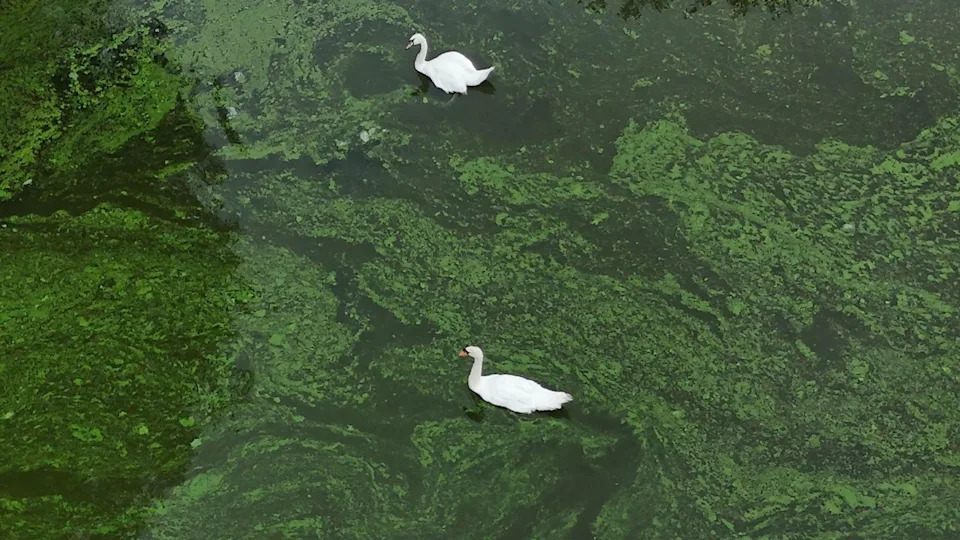
Algal blooms are caused by excess nutrients in the water [PA]
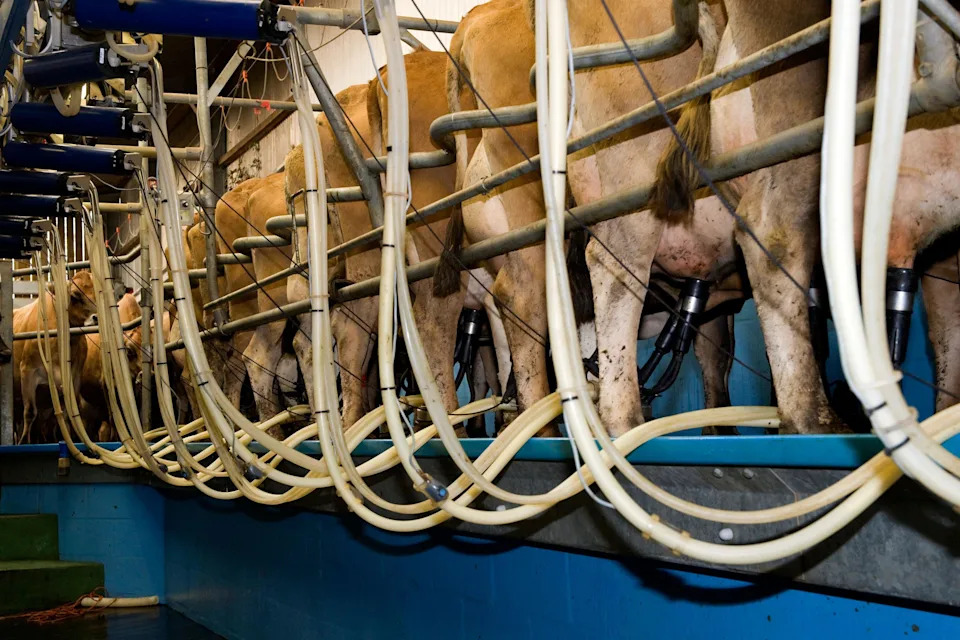
Dairy farms in Pembrokeshire produce as much as 25% of Wales' milk [Farm Images via Getty Images]

Researchers looked at how much phosphorus was imported into the county in the form of animal feed and fertiliser, and how much in products such as milk [BBC]

"We want to make sure it's the best environment for our cows and for everyone else around," says farmer Tom Jones [BBC]
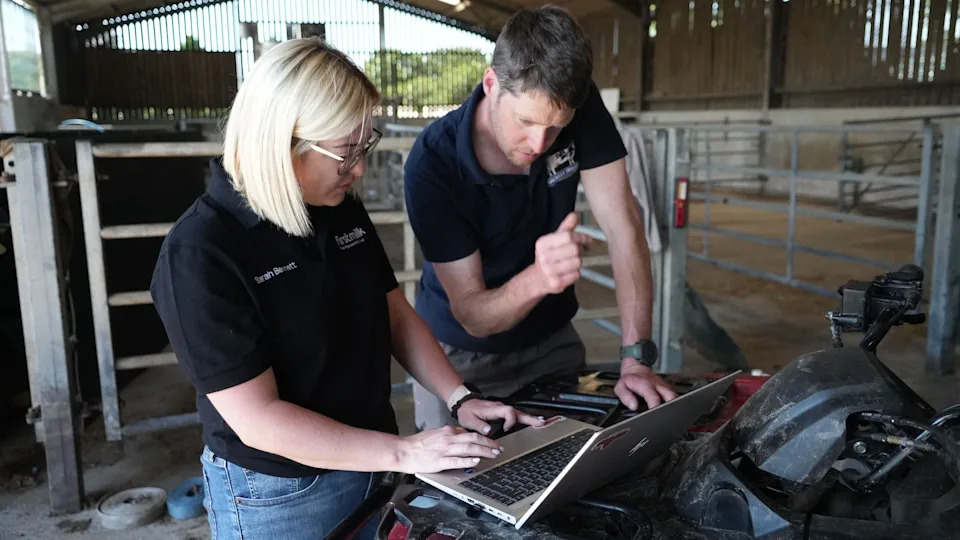
Farmers involved in the First Milk trial are being given advice on how to mitigate the risk of polluting watercourses on their land [BBC]
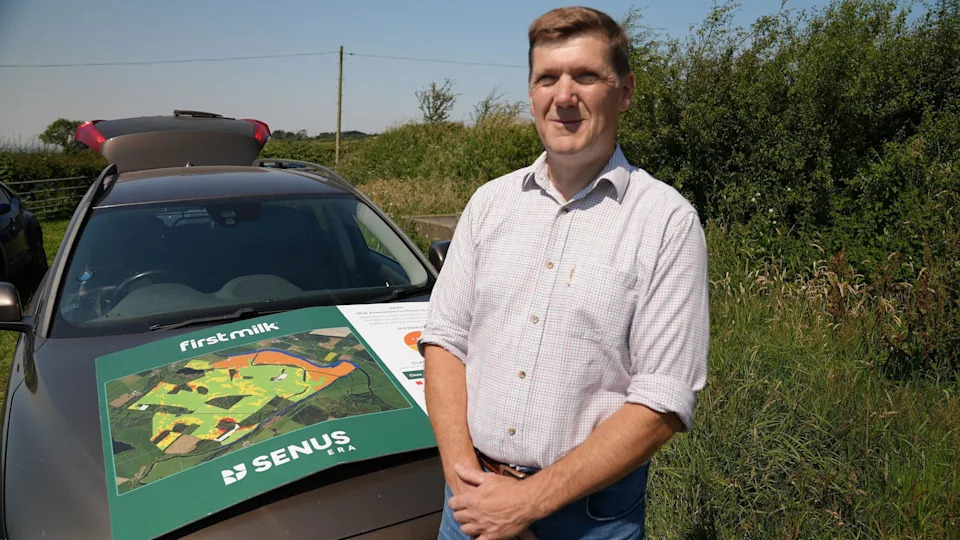
First Milk has produces maps showing the risk of polluting rivers on a field-by-field basis for its farmers [BBC]

The study found farmers did not necessarily need to be buying-in artificial fertiliser and nutrients in their livestock's manure should be sufficient for growing crops [Getty Images]
Help us improve.