Imperial Beach ranked fourth nationally in Surfrider Foundation’s 2025 Clean Water Report after 89% of samples exceeded California bacteria standards. The shoreline is closed (as of July 21) from Seacoast Drive to north of Carnation Avenue due to an "imminent health threat" tied to sewage or chemical contamination. Officials cite sewage runoff from Tijuana and aging local sewer infrastructure as key causes; a new 2025 monitoring lab aims to improve testing and response. Other U.S. hot spots include two Hawaiian sites with 100% failure rates and Pacifica’s Linda Mar Beach (72% failure).
Sewage Crisis at Imperial Beach: 89% of Samples Fail State Bacteria Standards, Shoreline Closed
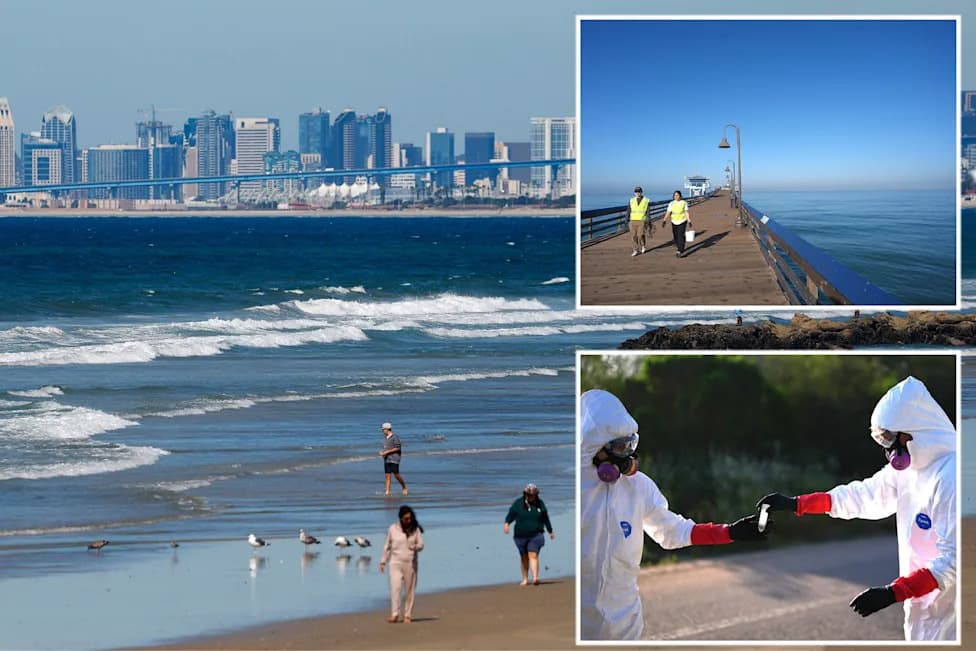
Those seeking fun in the sun might want to steer clear of Imperial Beach -- the scenic SoCal escape was one of the most bacteria-ridden beaches in the US, per a study by the Surfrider Foundation.
Imperial Beach, a working-class community on the southern California coast, has emerged as one of the nation's most bacteria-contaminated shorelines. According to the Surfrider Foundation’s 2025 Clean Water Report, the beach ranked fourth nationally after 89% of water samples collected over the past year exceeded California's recreational water-quality standards.
Beach Closure and Public-Health Concerns
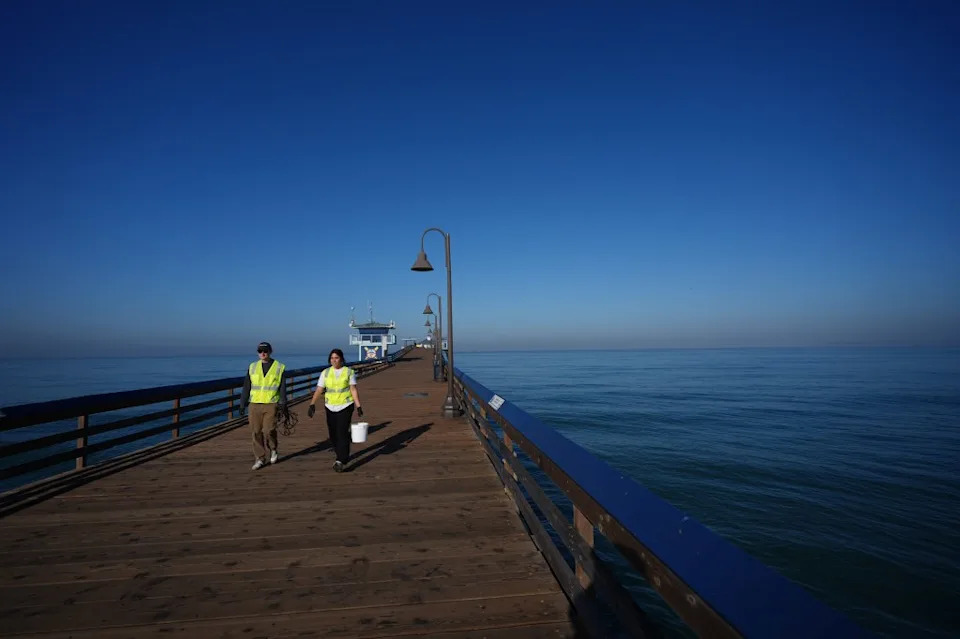
Justin Hamlin, left, and Maddie Tibayan, walk along the Imperial Beach pier after gathering a sample of seawater as part of a research team from the University of California, San Diego, on Wednesday, March 11, 2026. AP
As of July 21, local officials closed the shoreline from the south end of Seacoast Drive to north of Carnation Avenue, warning of an "imminent health threat associated with a sewage or chemical spill," the environmental group San Diego Coastkeeper reported. Residents have reported symptoms they link to polluted conditions, including headaches, asthma attacks and skin rashes after contact with the water. At times when airborne pollutants from the Tijuana River spike, local schools have adopted modified outdoor schedules to protect students.
Sources of Pollution and Cross-Border Challenges
Researchers and public-health advocates point to sewage-laden runoff from Tijuana as a major driver of contamination. The border region's rapid population growth and recurring failures in wastewater management on both sides of the U.S.–Mexico border allow polluted flows to enter the Tijuana River and wash up on nearby San Diego beaches.
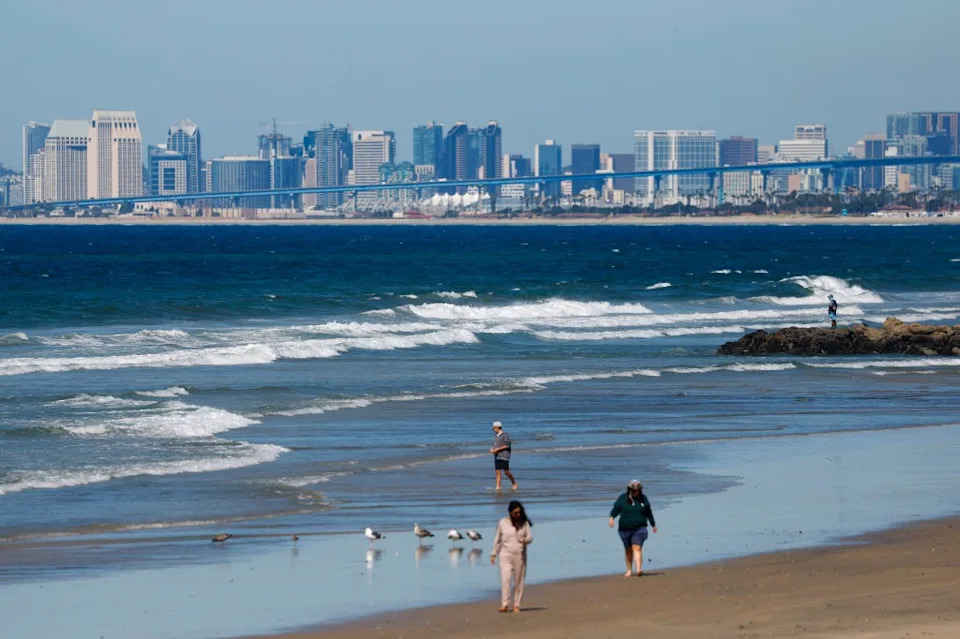
Imperial Beach is contaminated by sewage flowing up from Tijuana. The San Diego Union-Tribune via Getty Images
Local water-quality experts also note aging infrastructure closer to home. For example, leaks in obsolete sewer mains dating back to the 1970s have been implicated in contamination problems in Bay Area shorelines such as Pacifica’s Linda Mar Beach.
Monitoring, Research, and Community Response
To improve detection and response, a water-quality monitoring laboratory opened in Imperial Beach in 2025. The lab is a joint effort of the San Diego chapter’s Blue Water Task Force Clean Border Water Now programs and the YMCA’s Camp Surf and aims to speed testing and guide public warnings and remediation work.
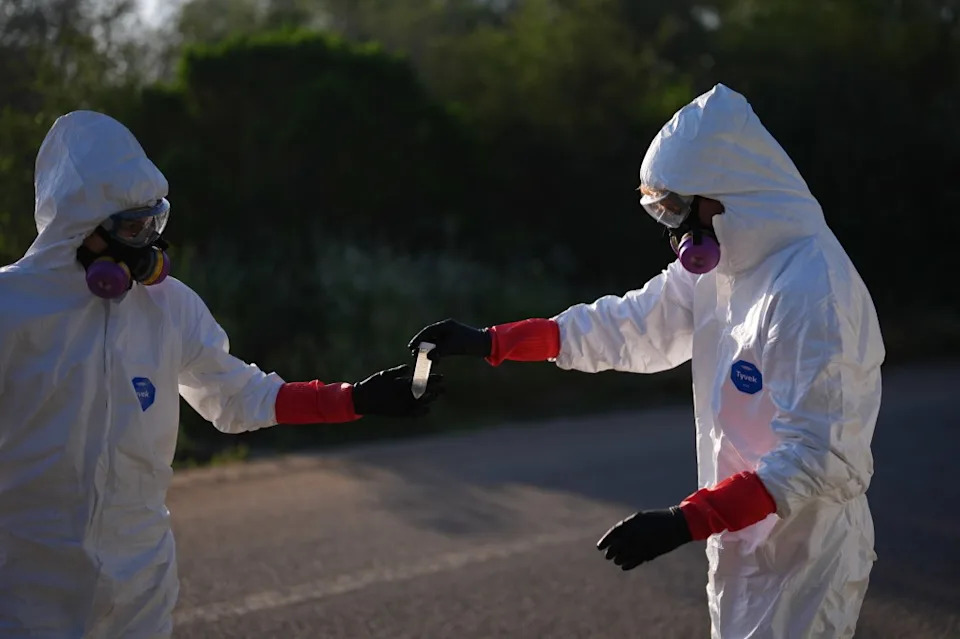
Trent Fry, right, and Leila El Masri handle a water sample of the Tijuana River, as part of a research team from the University of California, San Diego, Wednesday, March 11, 2026, in San Diego. AP
Surfrider’s 2025 Clean Water Report analyzed more than 10,000 samples collected from 620 sampling sites nationwide and processed by 60 Blue Water Task Force laboratories to identify recurring bacterial hot spots.
National Context: Other Hot Spots
Hawai'i, often regarded as pristine, produced two of the worst results in the report. Punaluʻu Beach Park on Oʻahu and the Moloaʻa Stream Mouth at Moloaʻa Beach on Kauaʻi each recorded bacteria levels above state standards in 100% of samples. In California, Linda Mar Beach in Pacifica registered a 72% failure rate.
Surfrider emphasizes that the identified "Beach Bacteria Hot Spots" are community access points important for recreation and local culture, but that poor water quality at these sites can pose a real public-health risk. The foundation and local partners are calling for improved cross-border wastewater solutions, expanded monitoring and investments in infrastructure upgrades to protect coastal communities and beachgoers.
Help us improve.