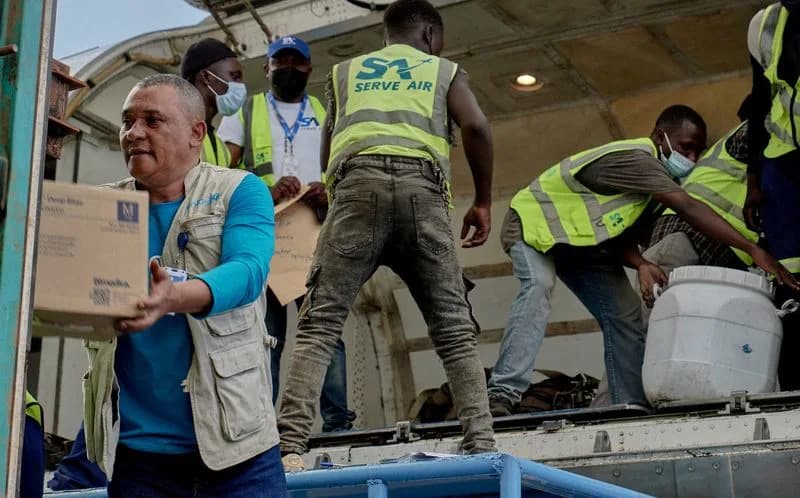
The UK has medically evacuated a UK-resident humanitarian worker from the DRC to a London hospital after a possible healthcare-related exposure to Ebola; the individual is currently asymptomatic and being monitored as a precaution. UKHSA says the public risk remains low and there are no confirmed cases in the UK. WHO reports 2,423 confirmed cases and 967 deaths in the DRC outbreak as of 19 July, with Uganda also reporting new cases. The outbreak strain is Bundibugyo, for which no licensed vaccine yet exists.
UK Evacuates Humanitarian Worker To London Hospital After Possible Ebola Exposure
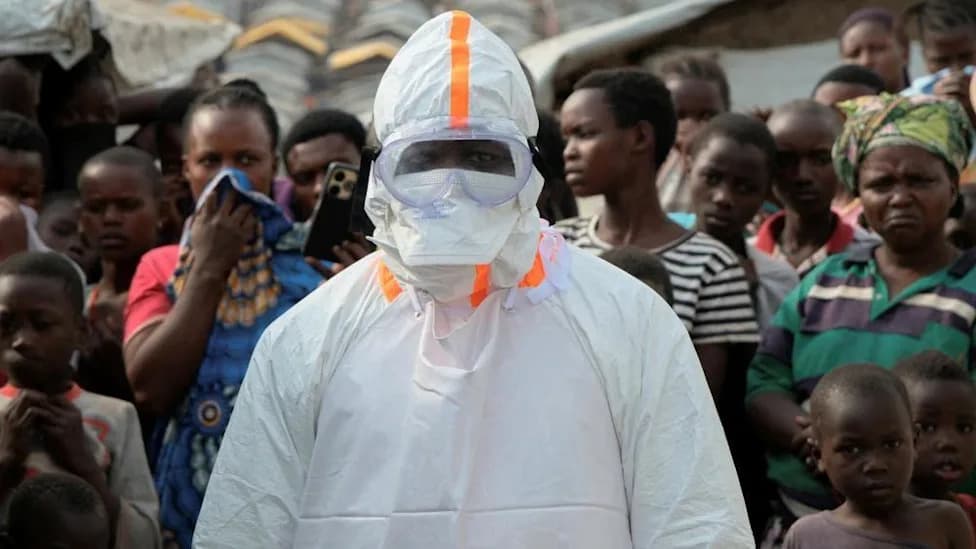
[Reuters]
A UK-resident humanitarian worker who was supporting the Ebola response in the Democratic Republic of Congo (DRC) has been medically evacuated to London after a possible healthcare-related exposure to the virus, UK Health Security Agency (UKHSA) officials said. The individual is currently asymptomatic and was transferred as a precautionary measure.
UKHSA confirmed the person remains well but is being assessed and monitored in a London hospital. The facility has not been officially named; however, the Royal Free Hospital in north London — which operates a high-level isolation unit and is the nation’s primary centre for high-consequence infectious diseases — is often used for such cases.
Monitoring and Isolation
The incubation period for Ebola ranges from 2 to 21 days. The evacuated worker will be required to remain in isolation and under clinical observation for the full incubation window while tests and assessments are completed.
How Ebola Spreads and Presents
Ebola is a severe viral illness that spreads through direct contact with infected bodily fluids rather than via airborne transmission. Early symptoms typically appear suddenly and resemble influenza or malaria, including fever, headache and profound fatigue. If the illness progresses, patients can develop vomiting, diarrhoea and multi-organ failure; some, but not all, patients experience internal or external bleeding.
Official Comments and Risk
Richard Pebody, director of epidemic and emerging infections at UKHSA, said: "The risk to the general public remains low. This individual has been transferred out of an abundance of caution, and we're pleased they remain well."
UKHSA emphasised that there are currently no confirmed cases of Ebola in the UK.
Current Outbreak Status
According to the World Health Organization (WHO), as of 19 July the DRC had reported 2,423 confirmed cases of Ebola since the outbreak was declared in mid-May, with 967 deaths and 469 recoveries recorded. Neighbouring Uganda has also reported new cases, with a recent update adding 20 confirmed infections and two deaths.
WHO has identified the current outbreak strain as the Bundibugyo species of Ebola. There is no licensed vaccine specifically for Bundibugyo at present, although vaccine candidates are in development.
Context And History
The UK previously recorded three confirmed Ebola cases between 2014 and 2015, all involving healthcare workers returning from West Africa; all three recovered and no onward transmission occurred in the UK.
WHO Director-General Dr Tedros Adhanom Ghebreyesus has described the ongoing outbreak as one of the most severe on record. Public health authorities continue surveillance, contact tracing and vaccination or treatment research where applicable.
What To Watch: Authorities will monitor the evacuated worker for the full incubation period and will update the public if any symptoms develop or if testing confirms infection.
Help us improve.