Yotam Marom argues that Occupy Wall Street collapsed not only from external repression but from an internal 'politics of powerlessness' that shunned leadership and strategic trade-offs. His new book, For Louder Days, shows how movements can learn to make hard choices, build leaders and connect grassroots power to electoral campaigns. Marom highlights CAAAV’s strategic pivot and traces a direct line from Occupy’s organizing to recent DSA electoral gains.
From Occupy to Electoral Wins: How a 'Politics of Powerlessness' Shaped the New Left
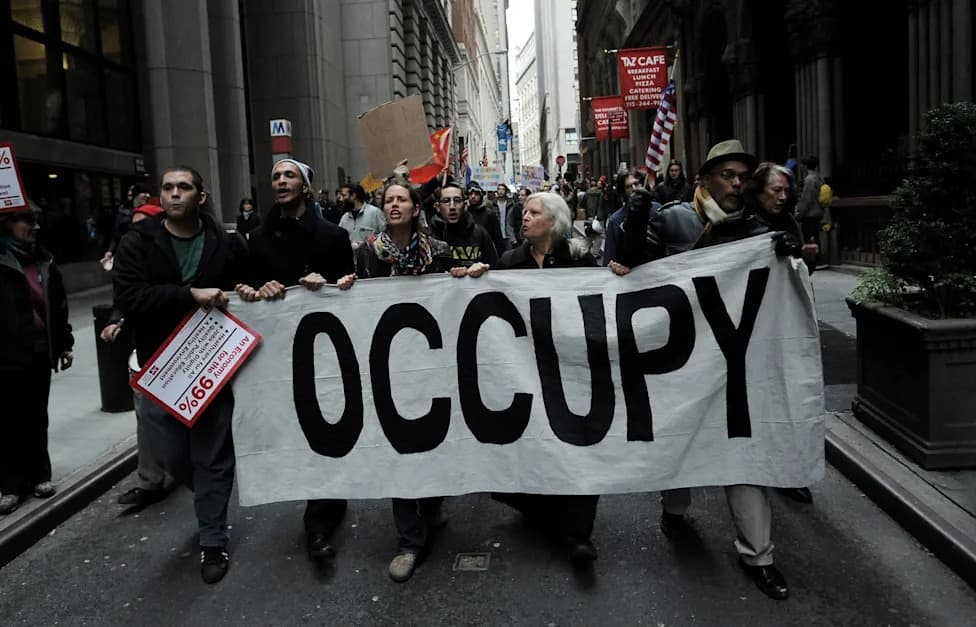
'We're only at the beginning of this trajectory. And around the country, a lot of people don't feel this way at all.'Photograph: Justin Lane/EPA
Yotam Marom, a veteran New York organizer and author, argues that Occupy Wall Street unraveled about 15 years ago for both external and internal reasons. While police raids, evictions and a brutal winter weakened the encampments, Marom points to a deeper internal dynamic he calls the 'politics of powerlessness' — a tendency to distrust institutions so thoroughly that movements avoid building sustained strategy and organizational capacity. The result: Occupy fragmented within months and never regained mass momentum.
Why Revisit Occupy Now?
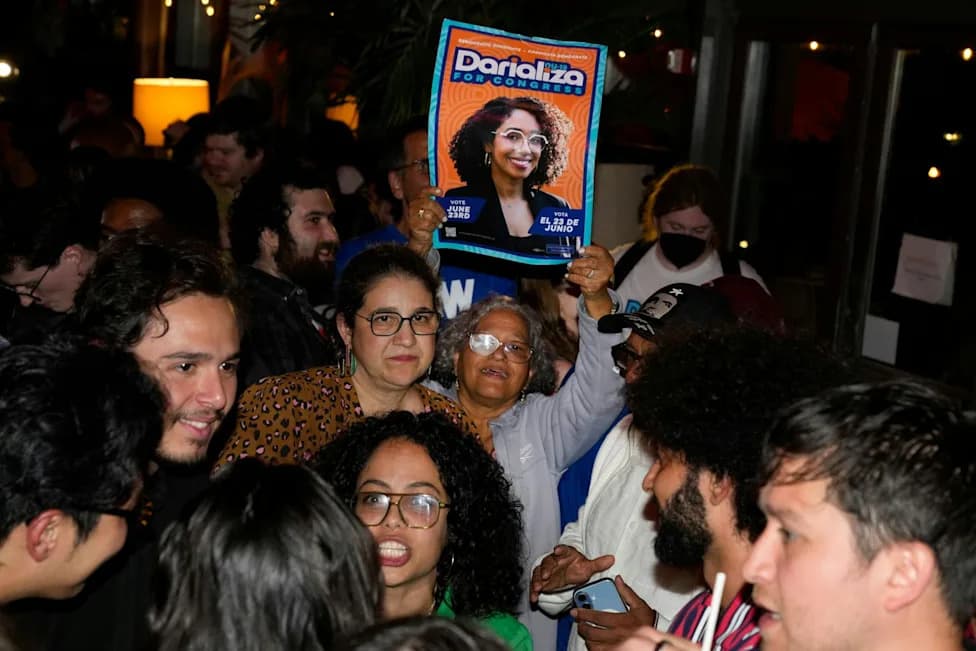
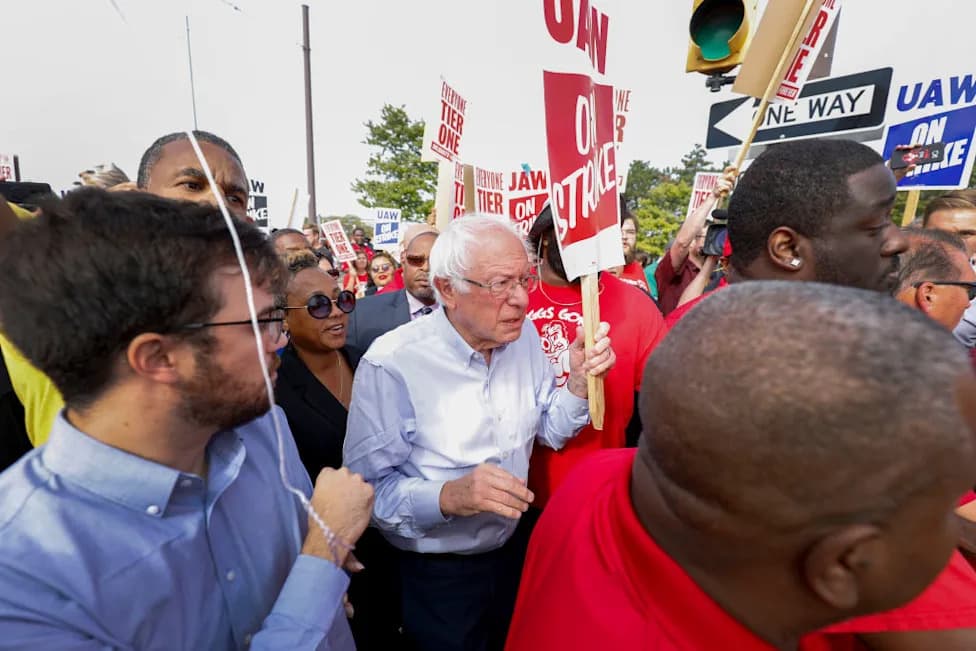
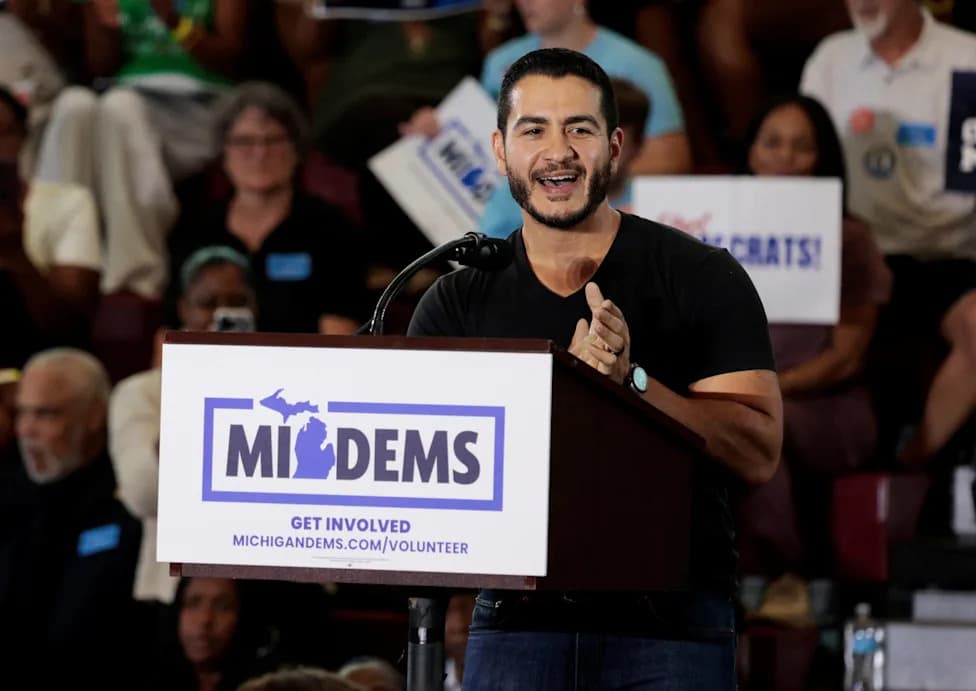
Marom believes there is a clear line from Occupy’s politics and rhetoric to the recent resurgence of mass socialist politics and local electoral wins. Occupy brought thousands into activism, trained numerous leaders, and popularized the 99% versus 1% framing that helped make campaigns like Bernie Sanders's and later DSA-backed runs more imaginable. Today, with Democratic Socialists in office and slates challenging establishment Democrats, Marom says it is vital to learn the movement lessons and deepen power-building.
The Politics Of Powerlessness
"When I talk about power, I mean the capacity to remake institutions so people’s material needs are met," Marom explains. He defines the 'politics of powerlessness' as a set of ideas and practices that push activists inward — away from adversaries like concentrated capital or state violence — and often pit participants against one another.
This dynamic can look like excessive fear of leadership, an atomized or purely identity-focused analysis rather than a systemic one, and a preference for protected, insular spaces over broad, inclusive organizing. Marom traces these tendencies to despair in the face of powerful opponents — billionaires, an authoritarian-leaning federal government and aggressive policing — and to a generation that learned to doubt whether left movements could win. The consequence is movements that are internally righteous but externally ineffective.
Hard Choices: The CAAAV Example
Marom recounts a turning point at a CAAAV (Committee Against Anti-Asian Violence) strategy retreat. Facing scarce resources, CAAAV chose to close a Queens campaign and focus staff, time and money on a fight in Chinatown they had a better chance of winning. The choice risked jobs and provoked internal conflict, but staffers argued the strategic trade-off was necessary.
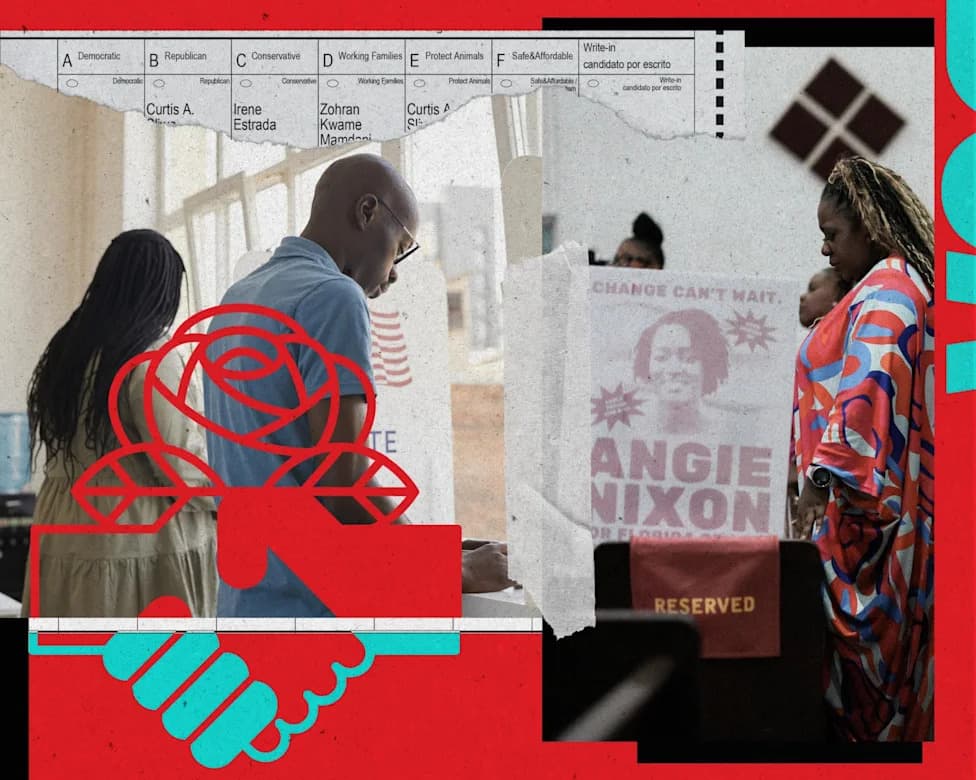
Years later, the concentrated effort helped build a politically organized Chinese and Bengali base that supported Zohran Mamdani’s campaign: CAAAV Voice was an early endorser and mobilizer. Marom uses this story to show that honest debate, willingness to lose some things and disciplined strategy produce organizations capable of winning.
What Institutional Structures Does The Left Need?
Marom argues that neither episodic protest nor isolated elections will deliver lasting transformation. Rather than prescribing a single model for a future broad party, he recommends building the capacities such a party would require: the ability to mount electoral challenges and govern, to wage workplace and tenant fights successfully, to welcome and politically educate newcomers, and to articulate a compelling vision.
Crucially, the electoral and non-electoral wings of the movement must be linked so they mutually reinforce each other: grassroots power should supply leadership, legitimacy and organized constituencies for electoral campaigns, while elected officials should extend resources and protect public space for organizing.
Conclusion
Marom’s central plea is practical: discard fatalism and invest in building organizational power. That means accepting hard strategic trade-offs, designing inclusive structures that enable millions to belong, and treating winning as the point. The new left's local electoral gains matter, but they are an early step in a much longer project.
About The Author And Interviewer
Yotam Marom is an organizer, facilitator and writer based in Brooklyn with over 20 years of movement experience in facilitation, strategic planning, group dynamics and conflict work.
Natasha Lennard is a columnist for The Intercept and a professor of critical journalism at The New School, whose work has appeared in The Nation, Bookforum, Dissent and the New York Times. She is the author of Being Numerous: Essays on Non-Fascist Life and the forthcoming On Un/Certainty.
Help us improve.